
Learn how to downsize vintage decor with confidence! Discover practical tips to rehome, sell, or donate your treasured pieces while preserving their charm and finding them new homes.
Month: August 2025
Perayaan ulang tahun ke -50 CAIC
[ad_1]
Musim longsoran ini menandai 50 tahun operasi untuk Colorado Avalanche Information Center. Mereka akan merayakan ulang tahun mereka di Black Mountain Lodge Kamis, 8 Februari pukul 18:30. Para tamu dapat mengendarai kursi gantung atau menguliti bukit di mana mereka akan menikmati makan malam A-Basin klasik dengan kerang, paha ayam yang diisi dan iga utama. Makan malam akan diikuti dengan komentar dan presentasi oleh beberapa perintis longsoran paling terkenal di Colorado termasuk Knox Williams dan Ethan Greene. Ini adalah kesempatan yang bagus untuk bertemu dengan teman -teman lama dan mencari beberapa teman baru.
Semua hasil akan menguntungkan Friends of CAIC untuk terus mendukung peramalan longsoran dan pendidikan di Colorado.
Untuk informasi lebih lanjut dan membeli tiket, buka perayaan ulang tahun ke -50 CAIC
Rehome, Sell, or Donate Your Treasured Finds
[ad_1]
Letting go of vintage decor isn’t always easy—especially when those pieces are filled with memories, family stories, and years of cherished moments.
Whether you’re retiring, downsizing, or simply ready to declutter with intention, this guide on how to downsize vintage decor will help you rehome your beloved treasures with purpose.
From gifting heirlooms to thoughtfully selling or donating, let’s explore how to honor your collection while creating space for new chapters
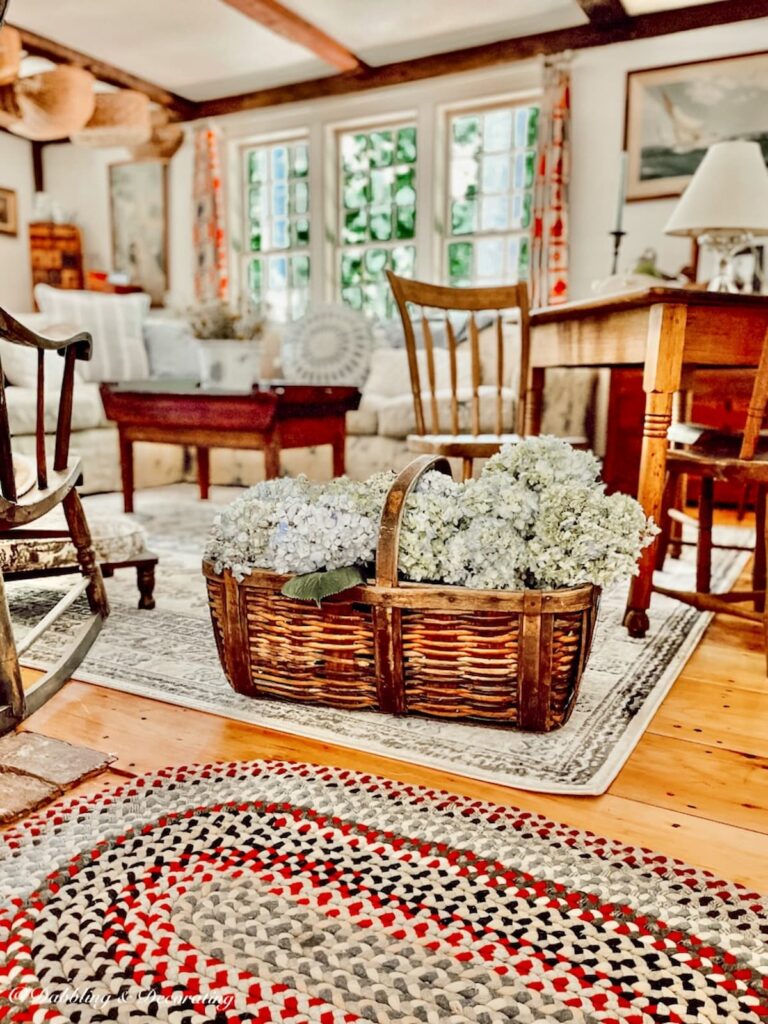
Every piece of vintage we let go of finds its way into someone else’s story.
How to Downsize Vintage Decor Can Be a Fresh Start: My Family’s Story
Letting go of vintage decor doesn’t have to feel like a loss—it can be a fresh, joyful new beginning. I know this firsthand. When my parents made the decision to leave their longtime home near Maine’s Nubble Lighthouse—a home my grandfather built for them not once, but twice—they embraced the process of downsizing with open arms. You can read more about their journey and the heritage behind our Maine home in this story about our family’s coastal roots.
What struck me most was how freeing it felt for them. As they prepared to move into their new replica of an early American home, built in Cape Neddick in their 70s, they would often say how good it felt to declutter—how refreshing it was to let go of “so, so many things” and start fresh.

They gifted some favorite pieces to me, passed others along to family and friends, and donated many to their local thrift store. It wasn’t rushed—it unfolded gradually as their new home came together. That experience shaped how I later approached my own moves: when we relocated from Connecticut to Vermont, I found myself with more vintage decor than our new home could hold.
I hosted a garage sale, filled a vintage booth with curated pieces I still loved, and donated what no longer served us. Selling vintage wasn’t a business for me—it was a way to honor the story of each piece and share them with others. Letting go wasn’t sad—it was inspiring, even fun. I genuinely believe it can be that way for you, too.
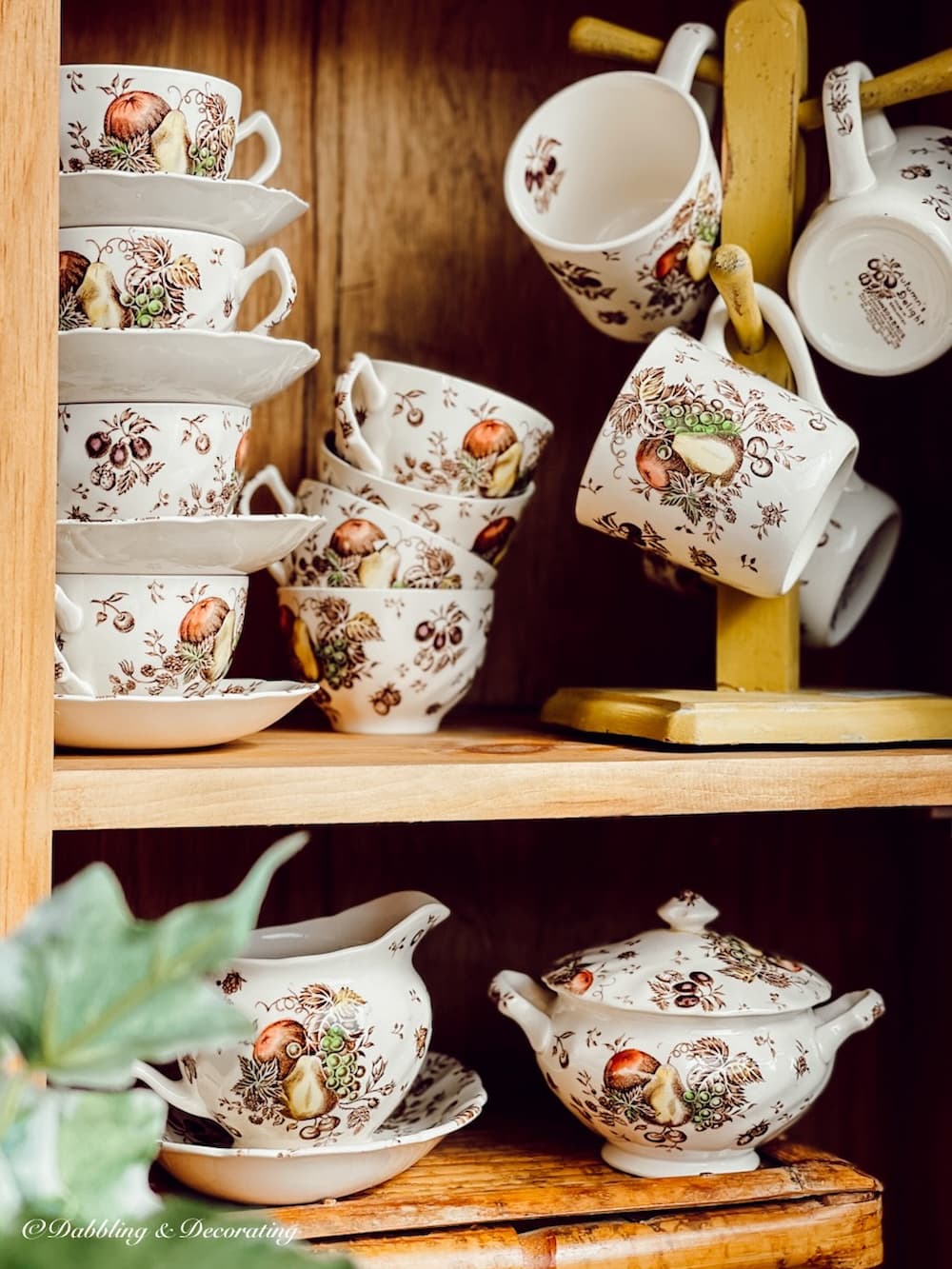
Letting go doesn’t mean forgetting. It means creating space for something new while honoring what once was.
Why Letting Go of Vintage Decor Can Be So Emotional
Letting go of vintage pieces can stir up unexpected emotions. These aren’t just “things”—they’re part of your story. That lace tablecloth may have graced holiday tables for decades. That oak dresser might have held your children’s clothes, your grandmother’s linens, or photo albums from family vacations. The memories live in the details, and saying goodbye to those items can feel like losing part of your history.
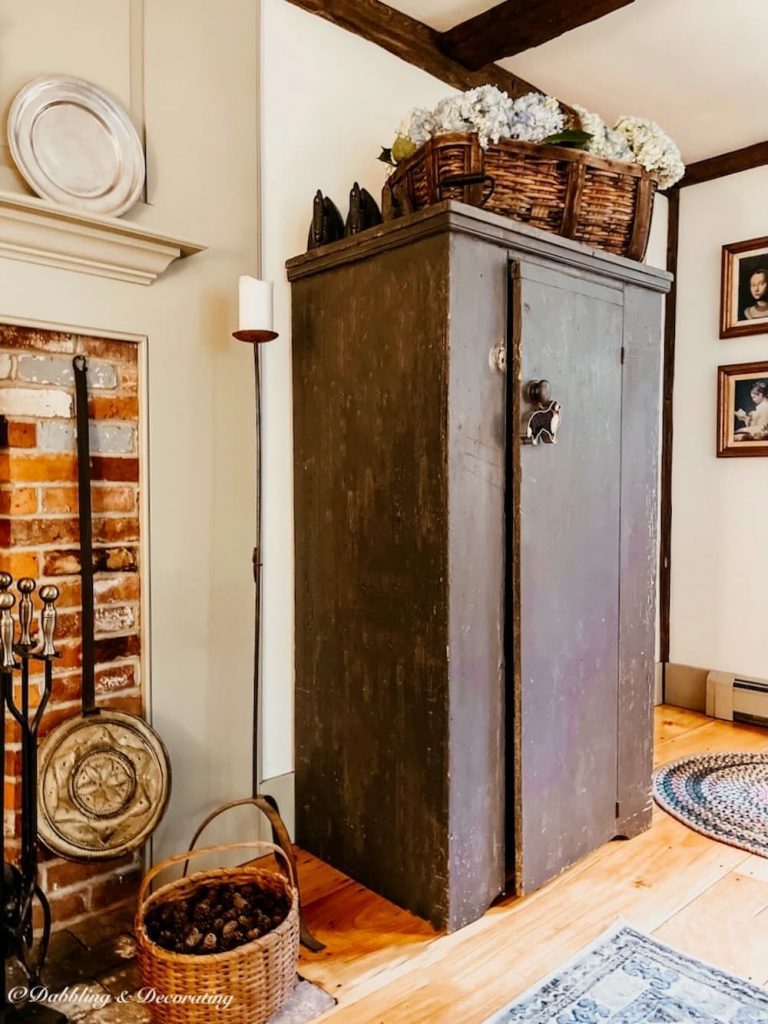
9 Vintage Decor Pieces I’ll Never Part With
I understand how hard it can be to let go—some pieces hold our hearts. Like this antique navy blue hutch in our Maine living room, which was once my mother’s favorite. She had fallen in love with it at an antique shop but decided it was too expensive—until my father surprised her with it for Christmas. It’s the kind of piece I could never part with, and I know so many of you have stories just like it.
There’s also the fear that your beloved pieces won’t be valued or appreciated by someone else. Maybe they’ll be donated and never seen again. Maybe they’ll be tossed aside by someone who doesn’t understand the craftsmanship, sentiment, or legacy. That uncertainty can make it even harder to part with something that’s meant so much to you.
Pro Tip
It’s okay to let go of the item—and keep the memory. Take a photo of the piece, jot down a quick story about where it came from, or create a digital keepsake folder. Sometimes holding on to the memory is even more meaningful than holding on to the item itself.
And then there’s the difference between letting go of fast, trendy decor—and meaningful vintage. Fast decor is easy to release because it never held your heart. But vintage? That’s different. These items were often passed down, hunted for, or carefully chosen. They have weight and presence. So it’s okay that letting go takes time—it’s a more personal process, and it should be.
How to Decide What Vintage Decor to Keep and What to Let Go
When you’re surrounded by meaningful vintage decor, it can be challenging to know what to keep and what to let go. But downsizing doesn’t have to mean losing everything—it’s about editing with intention.
Start by asking yourself: Do I still use this? Does it bring me joy or serve a purpose in my home today? If a piece no longer fits your space or your season of life, it’s okay to release it with gratitude.
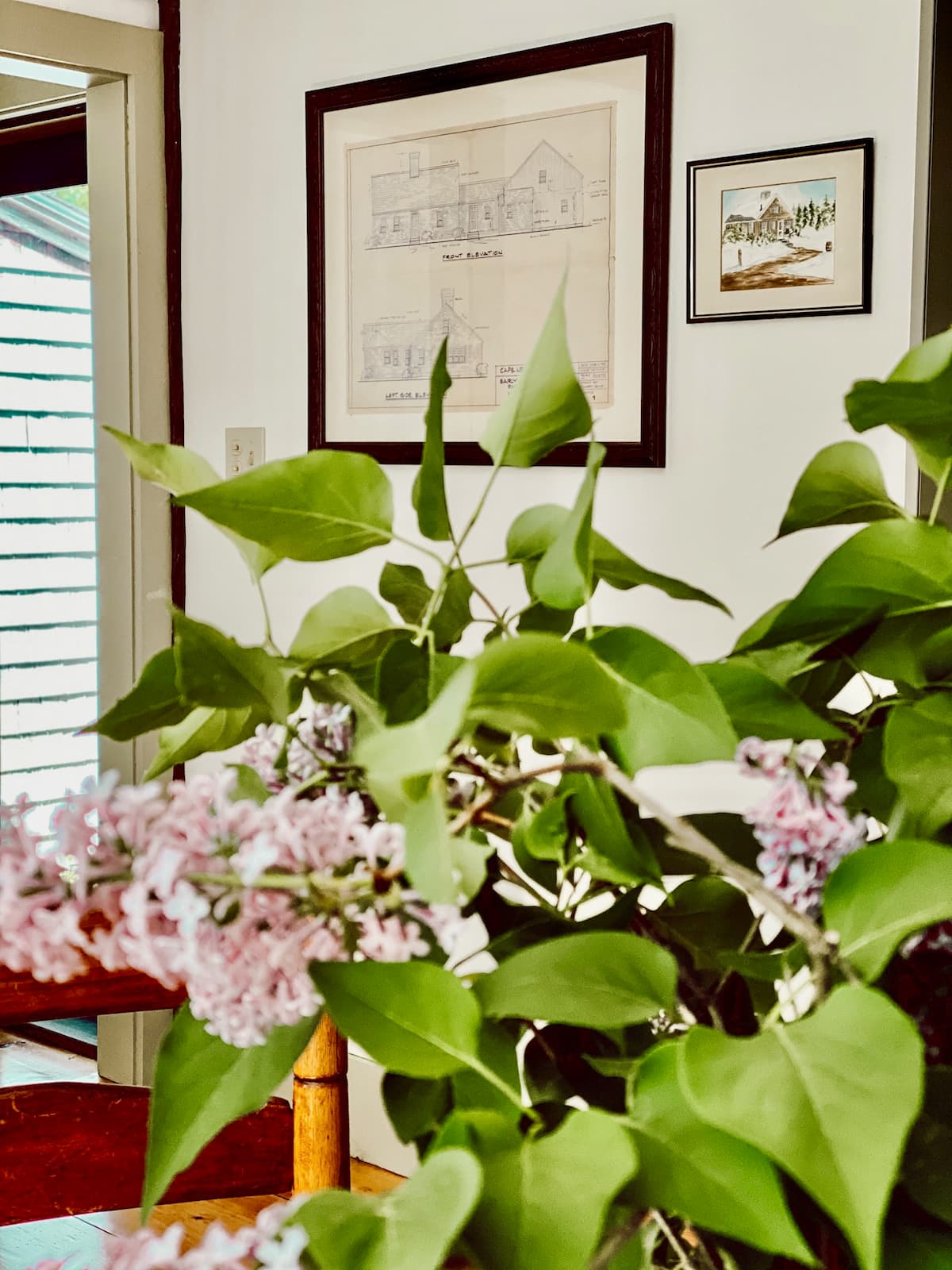
Focus on keeping the vintage items that tell your story, hold strong memories, or simply make you smile every time you see them. And for the rest—there’s beauty in letting someone else fall in love with them next.
This blog series shares the heartfelt journey of inheriting, renovating, and preserving my family’s coastal Maine home. From deciding what furnishings to keep, to honoring my mother’s style with vintage touches throughout, you can follow the story room by room—and see how this home continues to inspire everything we do today.
Questions to Ask Yourself Before Letting Go of Vintage Decor
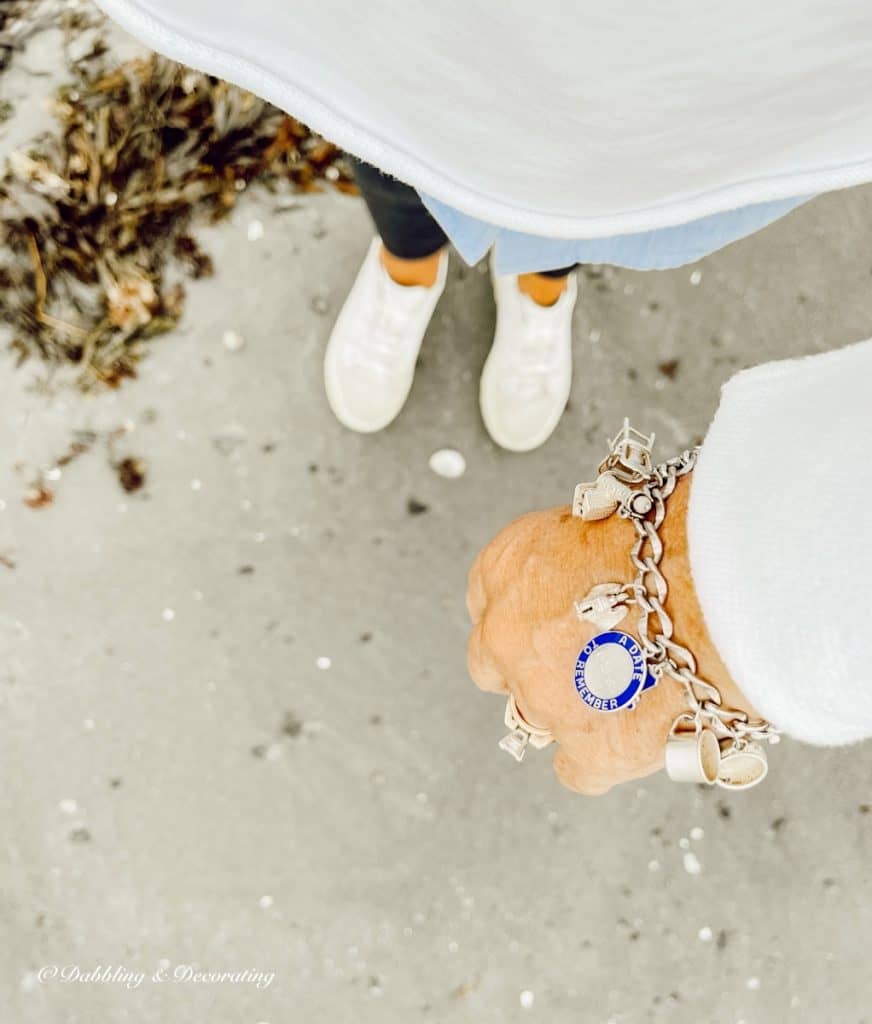
The Story of My Mother’s Vintage Charm Bracelet
Some vintage pieces are too meaningful to ever let go—and for me, my mother’s charm bracelet is one of them. Thought to be lost for years, I rediscovered it tucked away, filled with charms that tell the story of her life in Maine. While it’s not antique, it’s deeply vintage in spirit—personal, well-worn, and rich with family history. I wear it nearly every day, and it’s a perfect reminder that vintage decor doesn’t always sit on a shelf—it can be carried with you, too. See more in this Summer’s End in Maine: Sentimental Moments and Vintage Traditions post.
How to How to Downsize Vintage Decor Without Losing the Memories
Letting go of sentimental vintage pieces doesn’t mean you have to forget the stories behind them. Consider keeping a photo or writing down the memory attached to the item before you part with it.
My mother was terrific at this—she created photo albums filled with handwritten dates and stories on every single page. When our Maine home was featured in Country Sampler Magazine, the editor asked if I had photos of how my parents used to decorate the house—and I did. It was such a joy to flip through those albums and revisit her style, seasonal touches, and the warmth she created in every room.
Most of those pieces are now gone, but the memories remain—and I’ve held on to a few special ones that still live in our home today. You might even create a memory box, scrapbook, or digital photo file to preserve the stories while freeing up space.
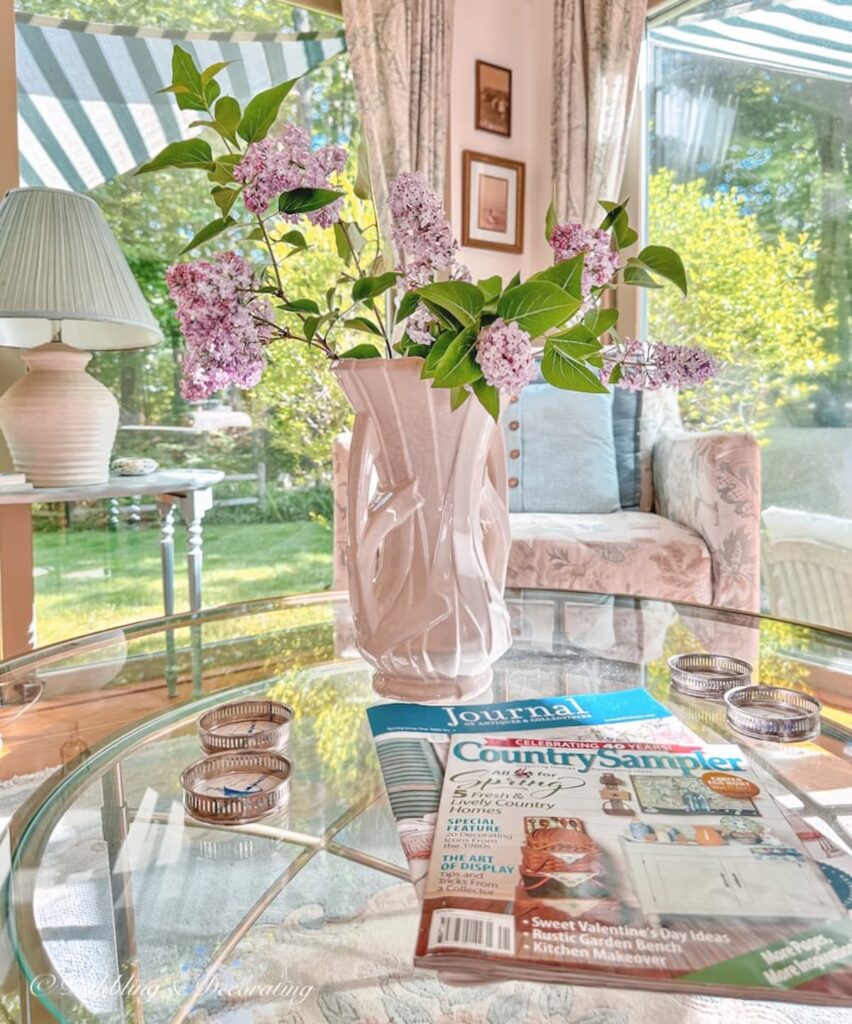
Our Home, Featured in Country Sampler Magazine
In 2024, our coastal Maine home was featured in Country Sampler Magazine—a true dream come true! It was an unforgettable experience, and I’ve shared all the behind-the-scenes moments, vintage styling, and emotional details in this special post.
Where to Rehome Vintage Decor: Tips for Gifting, Donating, or Selling with Purpose
When it’s time to let go of vintage furniture and decor, finding the right home for your beloved pieces can make the process so much more rewarding.
Gifting Vintage Decor to Family and Friends with Heart
When it’s time to part with beloved vintage pieces, start by reaching out to family and friends. You’d be surprised how many people have always admired that antique basket, side table, or blue-and-white pitcher in your home. Gifting vintage decor is a beautiful way to pass on memories—and to keep your story alive in someone else’s home. You could even host a vintage brunch or tea party, inviting loved ones to browse your collection in a meaningful and celebratory way. It’s not just about letting go—it’s about sharing history, joyfully and intentionally.
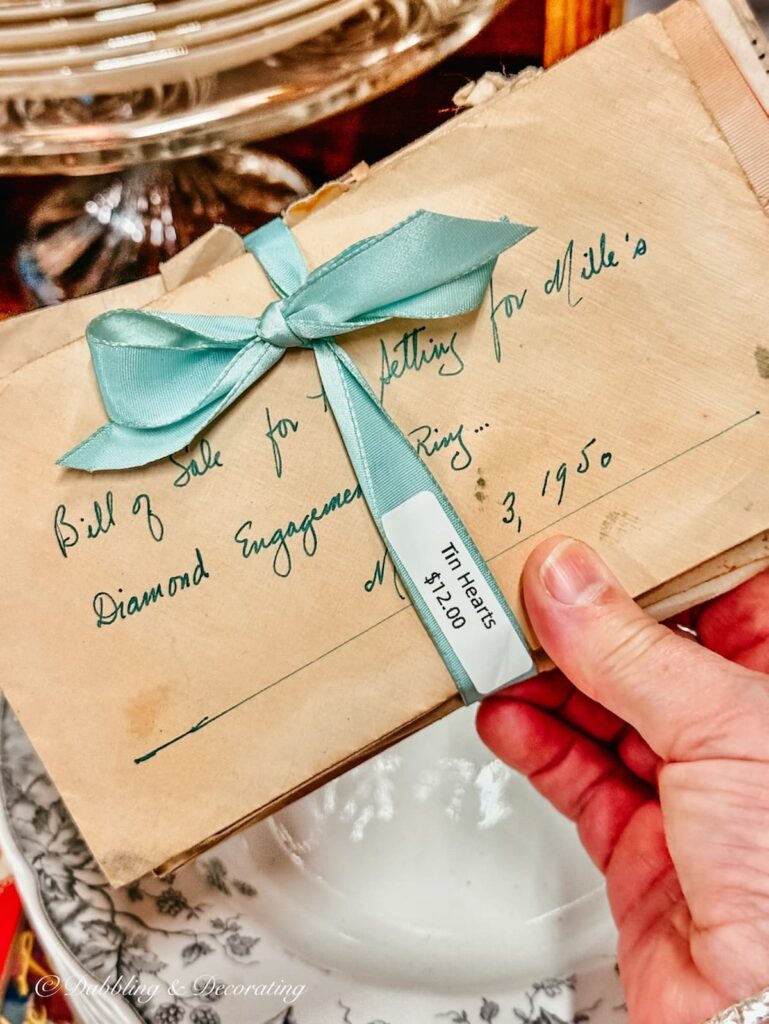
How to Donate Vintage Decor to Local Thrift Stores and Community Shops
Thrift stores and community-supported shops are another wonderful option. Many small towns have local thrift stores where proceeds go directly to helping seniors, food banks, and community services. Donating your vintage decor to one of these shops not only clears space in your home—it gives back in a meaningful way.
Selling Vintage Furniture and Decor Through Consignment Shops
If you’d like to earn a little from your pieces, try consignment furniture stores or vintage consignment boutiques in your area. You’ll often receive a percentage of the sale while someone else handles the transactions.
How to Open a Vintage Booth to Curate and Sell Your Thrifted Decor
Or, for those with a larger collection, consider opening a vintage booth in a local antique mall. It’s not just about selling—it’s about curating, styling, and sharing the joy of vintage collecting. That’s exactly what I did after our move from Connecticut to Vermont, and it was one of the most fun and fulfilling hobbies I’ve ever had. Learn How to Start a Vintage Booth: Tips, Display Ideas, and Lessons Learned in this post.
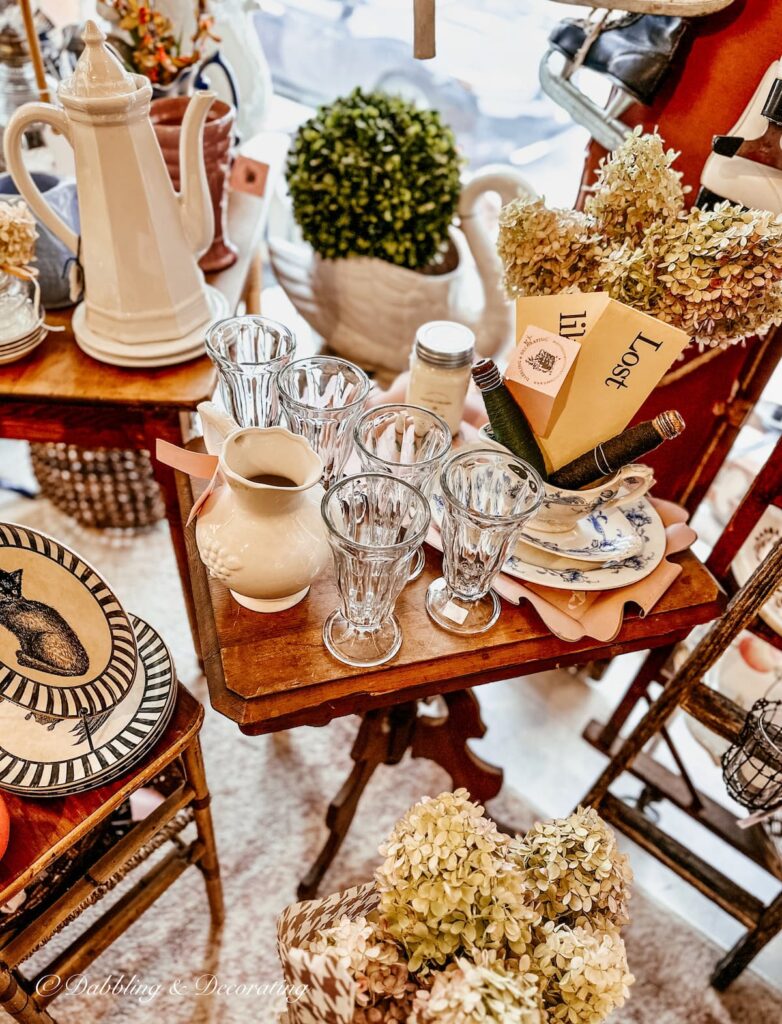
Every vintage piece has a story—and sometimes, the most meaningful chapter is the one where it finds a new home.
Donating Vintage Decor with Purpose and Impact
If you’re not planning to sell or gift all of your vintage decor, donating with purpose can be one of the most meaningful ways to give it a second life. Look into local historical societies, community theaters, libraries, or churches, which often use vintage items for displays, performances, or seasonal events. These organizations sincerely appreciate character-filled donations.
You can also donate to local thrift stores that support community services, where proceeds go directly to programs for the elderly, food banks, or families in need. And if you’re in the Northeast, I highly recommend Goodwill Northern New England, an organization with which I’m proud to collaborate. Their stores are filled with opportunity—not just for finding new treasures, but for giving yours a fresh start in a way that benefits the community.
Yard Sales, Tag Sales, and Garage Sales for Rehoming Vintage Decor
Hosting a yard sale or garage sale is a great way to rehome your vintage decor while connecting with your local community. Make a fun day of it—invite neighbors to join in for a neighborhood-wide tag sale, advertise locally, and style your items so they shine. It’s a fantastic opportunity to share the stories behind your pieces, meet fellow vintage lovers, and clear out space in a low-stress, rewarding way.
Hosting an Estate Sale to Downsize and Rehome Your Vintage Furnishings
If you’re looking to downsize your home or sell most of your vintage furnishings, hiring an estate sale company may be the easiest—and least emotional—way to do it. Estate sale professionals handle everything from pricing and advertising to managing the sale itself, allowing you to step back while they do the work. Whether you’re moving to another state, downsizing into a smaller space, or even transitioning into RV life, an estate sale can be an innovative and efficient solution. These companies take the pressure off, especially when parting with sentimental pieces, and help ensure your vintage items find the right new homes.
Considering an Estate Sale Company?
If you’re feeling overwhelmed by the idea of downsizing an entire home, hiring an estate sale company can take the emotional and logistical pressure off. Many offer full-service help—from pricing and staging to running the sale and clearing out what’s left—so you can focus on the next chapter with peace of mind.
Where to Sell Vintage Decor Online: Facebook Marketplace, eBay, Etsy & More
If you’re looking to sell vintage decor without opening a booth or visiting a consignment shop, online resale platforms offer convenience and reach.
Each platform has its own vibe and audience, so choose what works best for your style, time, and level of tech comfort. Just be sure to photograph your vintage pieces in natural light and write clear descriptions—stories sell!
What Vintage Items Most Shops and Dealers Won’t Accept—and Why
Not all vintage is created equal in the resale world. If you’re planning to sell or consign, it helps to know what may be politely turned away.
• Mass-produced or damaged items: Most consignment shops and antique dealers avoid items with cracks, chips, or missing parts.
• Outdated dishware sets or clear glassware: Unless it’s part of a known collectible line, these can be hard to move and are often overstocked.
• Heavy or hard-to-display furniture: Unless it’s highly desirable (like a primitive pine piece or MCM), large furniture that’s hard to transport may not be accepted.
• Off-trend styles: Some dealers specialize in cottagecore or mid-century but may not take items outside their aesthetic focus.
How to Downsize Vintage Decor with Intention and a Fresh Perspective
Letting go of vintage pieces isn’t just about clearing clutter—it’s about sharing history, creating space, and making room for what’s next. When you release something that once mattered to you, you’re giving someone else the chance to love it just as much.
It’s not about getting rid of things—it’s about moving forward with purpose and clarity. The more you adopt that mindset, the easier it becomes to part with the pieces that no longer serve you—and the better it feels.
Think of it as a refresh: an opportunity to let go of the past and step into a new chapter, one filled with new memories, meaningful moments, and maybe even new treasures waiting to be found.
Letting go of vintage pieces isn’t always easy—especially when they hold sentimental value. But parting with decor can also be a beautiful act of reflection and intention. I found this Good Housekeeping article What Is Swedish Death Cleaning? How the Method Can Help You Declutter, a philosophy that encourages us to thoughtfully simplify and pass on what we no longer need—without guilt or pressure. It’s about honoring the stories behind each item while making space for what truly matters.
Final Thoughts: Honoring the Life Cycle of Vintage Decor
Letting go of vintage pieces is part of their story—just like collecting them once was. These cherished items are meant to be loved, shared, and passed on, creating beauty and meaning in each home they touch. Whether you’re downsizing, moving, or simply making space, you’re continuing the life cycle of vintage: one that’s rooted in memory and lived with intention.
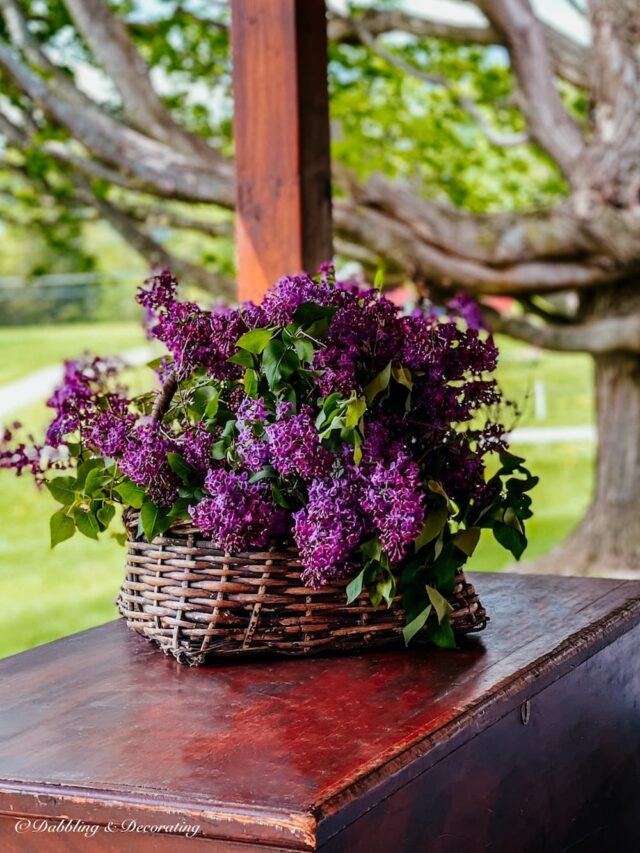
And with a treasured few we will always hang onto…
I’d love to hear your story. Have you recently let go of a piece that held meaning? Or found a new home for something special? Share your journey in the comments or email me directly—it may just inspire someone else.
This Post Was Inspired by You
A thoughtful reader recently asked if I could share advice on how to let go of vintage decor with care—and I loved this idea. If you ever have a question or idea for a future post, I’d love to hear from you!
And if you’re on the other side of the journey, just beginning to collect, be sure to visit How to Start Collecting Vintage Home Decor: A Beginner’s Guide—a post filled with ideas, inspiration, and tips for the next generation of collectors.
Frequently Asked Questions About How to Downsize Vintage Decor
How do I start downsizing vintage decor?
Begin by sorting your vintage items by emotional value and practicality. Decide which pieces you truly love and use, and which can be rehomed or sold. Create separate piles for keep, sell, donate, or gift.
Where can I sell vintage decor?
You can sell vintage decor through local antique shops, consignment stores, flea markets, estate sales, or online platforms like Etsy, eBay, and Facebook Marketplace.
How do I know what my vintage items are worth?
Research your pieces using online vintage marketplaces, consult price guides, or reach out to local antique dealers or appraisers to get an estimate of value.
Should I keep vintage items with sentimental value?
If an item has deep personal or family significance, consider keeping it or passing it on as an heirloom. Downsizing vintage decor should focus on letting go of items you no longer need while preserving what truly matters.
Where can I sell vintage decor?
You can sell vintage decor through local antique shops, consignment stores, flea markets, estate sales, or online platforms like Etsy, eBay, and Facebook Marketplace.
More Vintage Stories You Might Enjoy:
If you loved this post, here are a few more vintage-inspired stories, decorating tips, and personal favorites I think you’ll enjoy next.
Pin forLater!

Mendekati senja pada Divide
[ad_1]
Baru saja menyelesaikan kulit kecil yang bagus hingga Black Mountain Lodge. Saya beruntung menangkap sinar matahari akhir hari di perpecahan. Hari ini adalah kecantikan lainnya. Sepertinya kita akan mengalami cuaca yang lebih cerah pada hari Rabu dan Kamis. Ada badai besar lainnya yang muncul di luar sana ke barat dan kita mungkin melihat salju turun pada hari Jumat dan sepanjang akhir pekan. Itu terus menjadi lebih baik.

[ad_2]
Mendekati senja pada Divide
A Vintage Guide to Bowls, Pitchers & Display Tips
[ad_1]
Discover how to collect and style vintage yellowware with charm, featuring antique mixing bowls, pitchers, and decorating ideas for your kitchen or hutch.
If you love vintage kitchen decor with timeless charm, there’s nothing quite like the warmth of antique yellowware. From classic mixing bowls to blue-banded pitchers and collectible pottery, yellowware brings cozy character to open shelves, hutches, and tabletop displays.
In this post, part of my vintage decorating guide series, I’m sharing how I started collecting these nostalgic yellow treasures, where to find the best deals, and my favorite ways to style them throughout the seasons.
What is Vintage Yellowware? A Brief History of This American Classic
Vintage yellowware (often spelled yellow ware) is a type of pottery known for its soft golden-yellow color, made from clay rich in iron and minerals. Originally produced in England in the late 18th century, it became especially popular in America by the mid-19th century, where it was crafted using locally sourced clay.
This antique kitchen staple was durable, affordable, and practical, used for mixing, baking, and food storage in everyday homes. Today, its distinctive color and charming banded patterns make yellowware bowls, pitchers, and pottery highly collectible for vintage lovers and decorators alike.
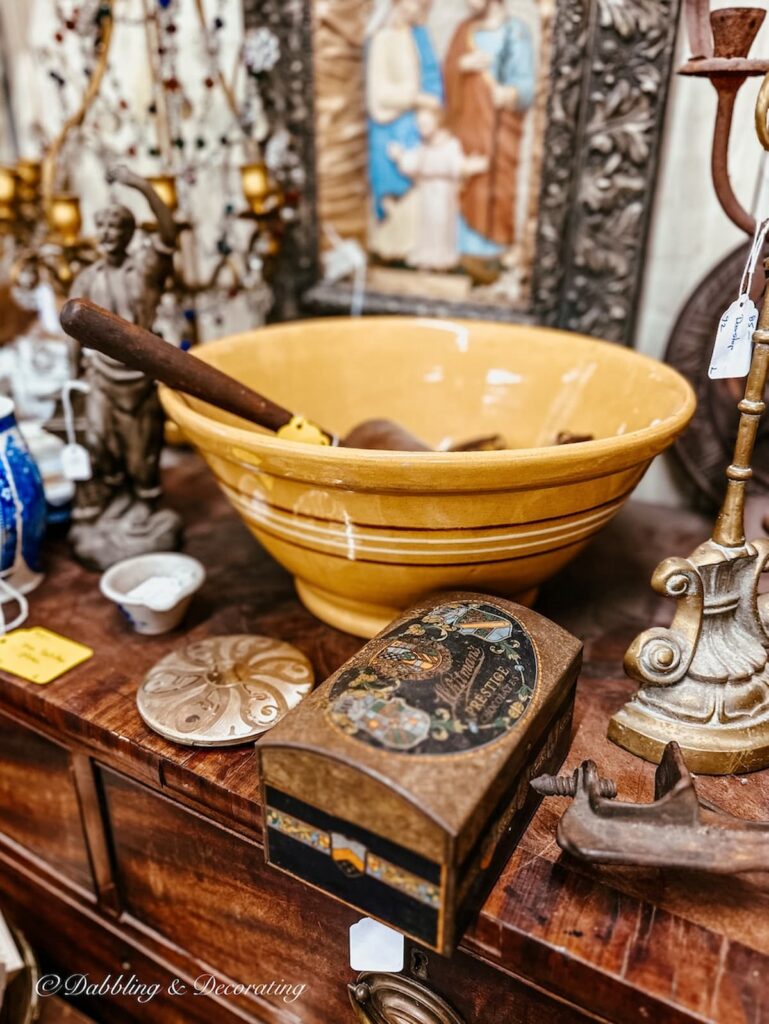
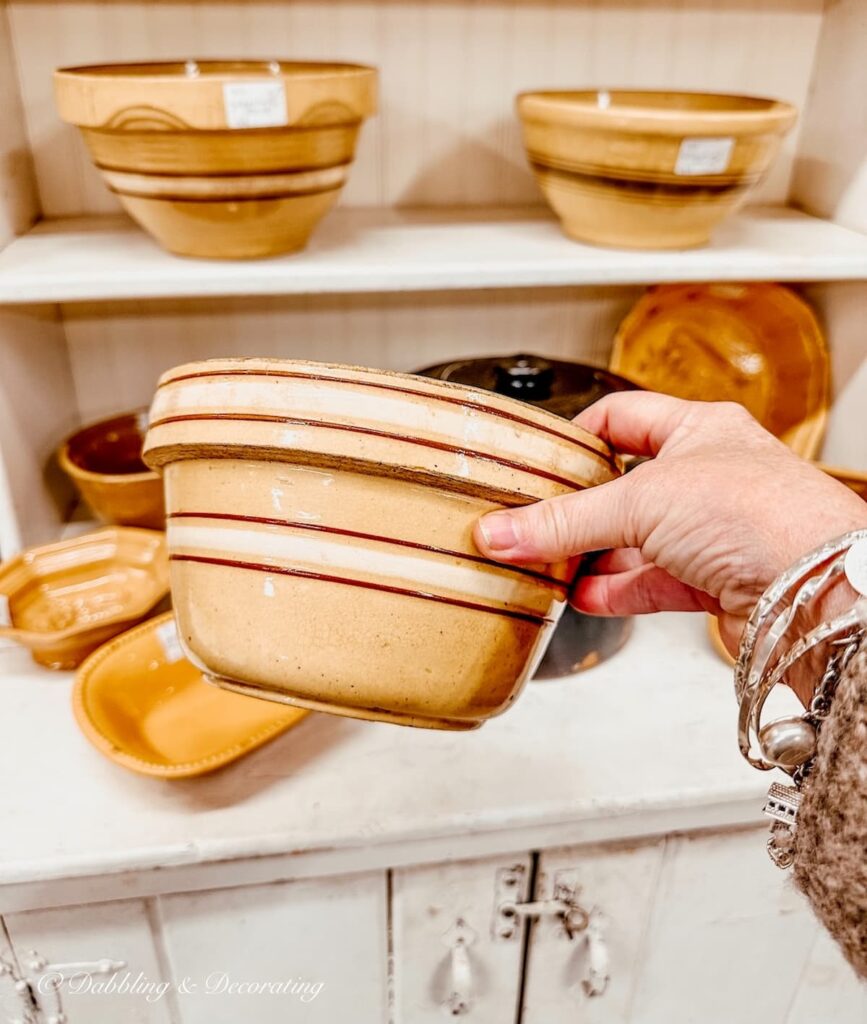
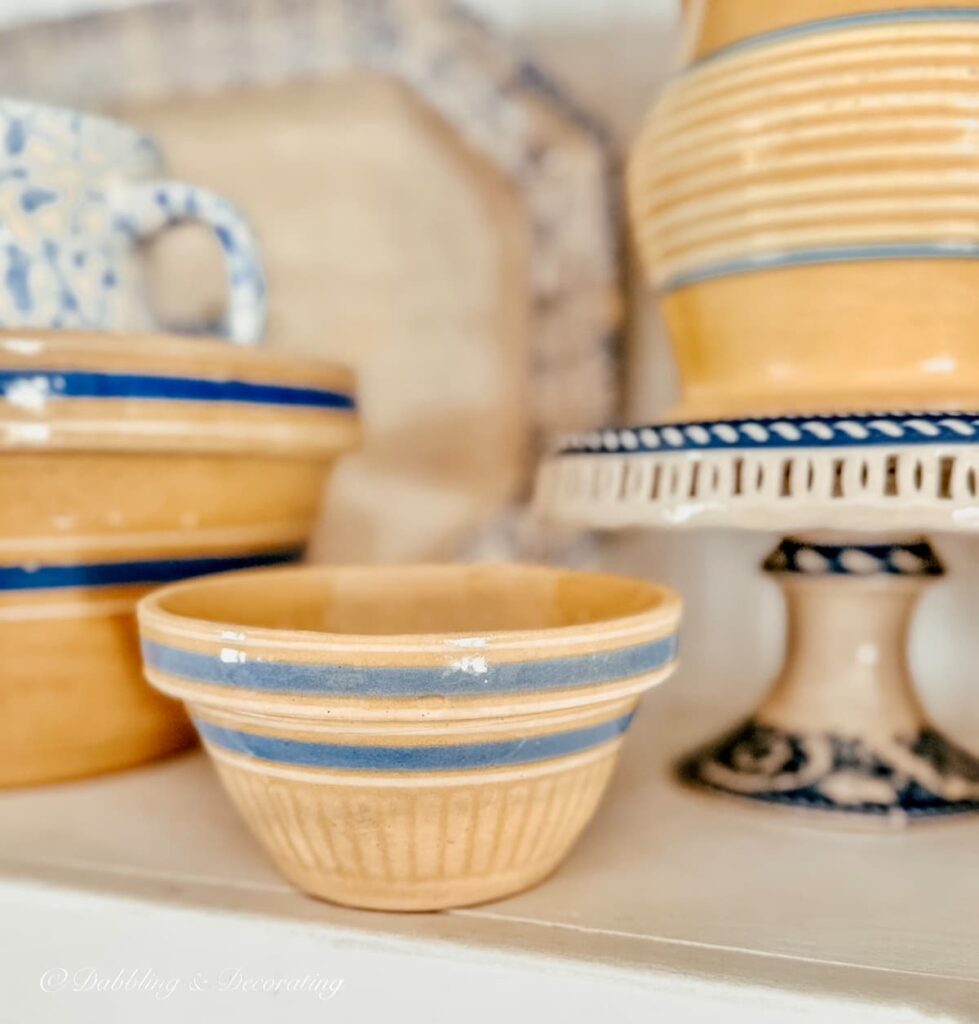
One of the most recognizable features of vintage yellowware is its decorative white or creamy banded stripes, often applied using slip-decoration techniques. These simple yet charming rings became a signature detail on bowls, pitchers, and other kitchenware.
The handmade nature of yellowware varied by region and potter, some pieces feature smooth, refined finishes, while others embrace a more rustic, homespun look that only adds to their collectible charm.
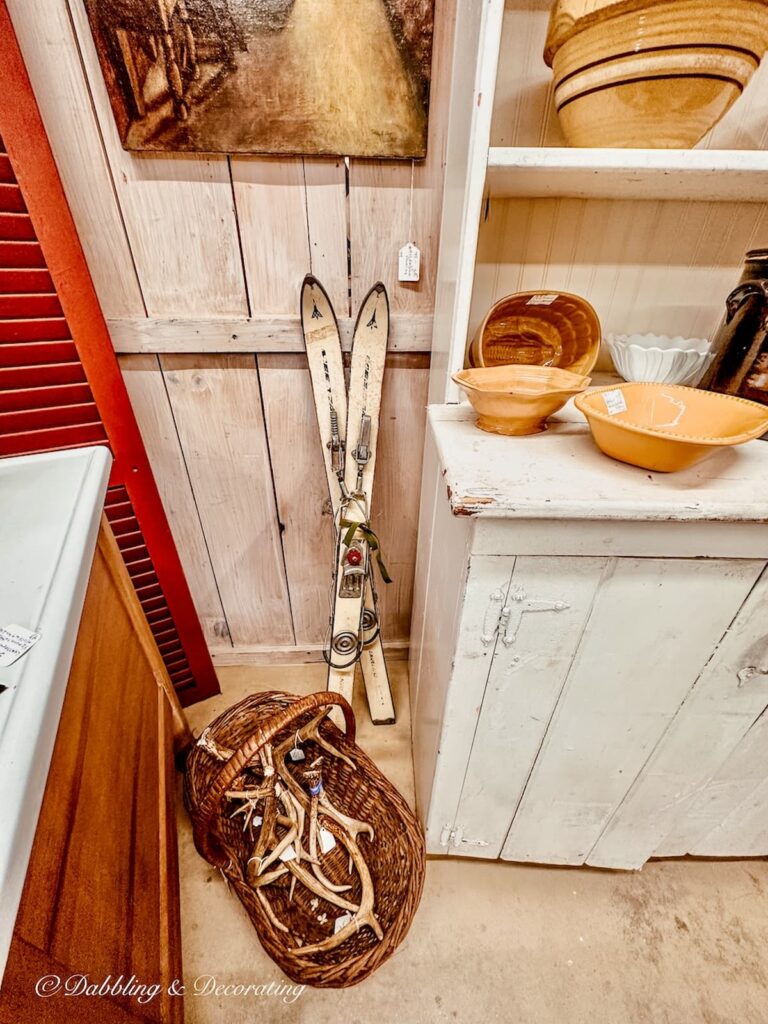
Among the most sought-after yellowware pieces today are the large mixing bowls once essential in American kitchens for baking and food prep. Their generous size and durability made them a staple in homes across the country.
As yellowware production expanded, potters began incorporating decorative techniques like molded patterns, slip bands, and even colored glazes. These variations gave each piece its own unique character, one of the reasons why vintage yellowware bowls and pitchers are so highly collectible today.
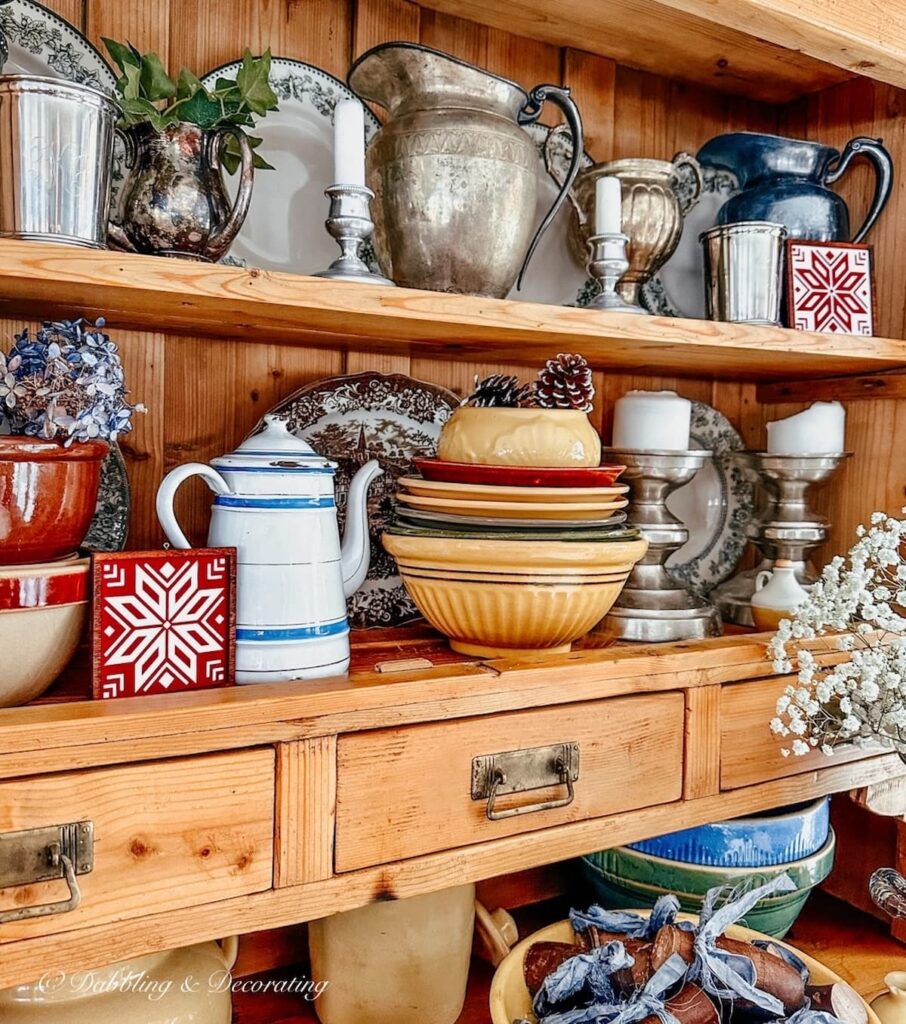
Want to Learn More About Yellowware?
Purchase This Collector’s Guide to Yellow Ware: Book I, An Identification & Value Guide
Ten years ago authors Lisa McAllister and John Michel brought collectors the definitive guide to collecting American yellow ware…
McCoy Yellowware and Its Role in American Pottery History
McCoy Pottery has been a beloved name in American ceramics since 1848, known for producing everything from garden planters to cookie jars, and yes, even yellowware. While McCoy is more commonly associated with colorful glazed pottery from the 20th century, their early contributions to yellowware production helped shape its popularity in everyday homes.
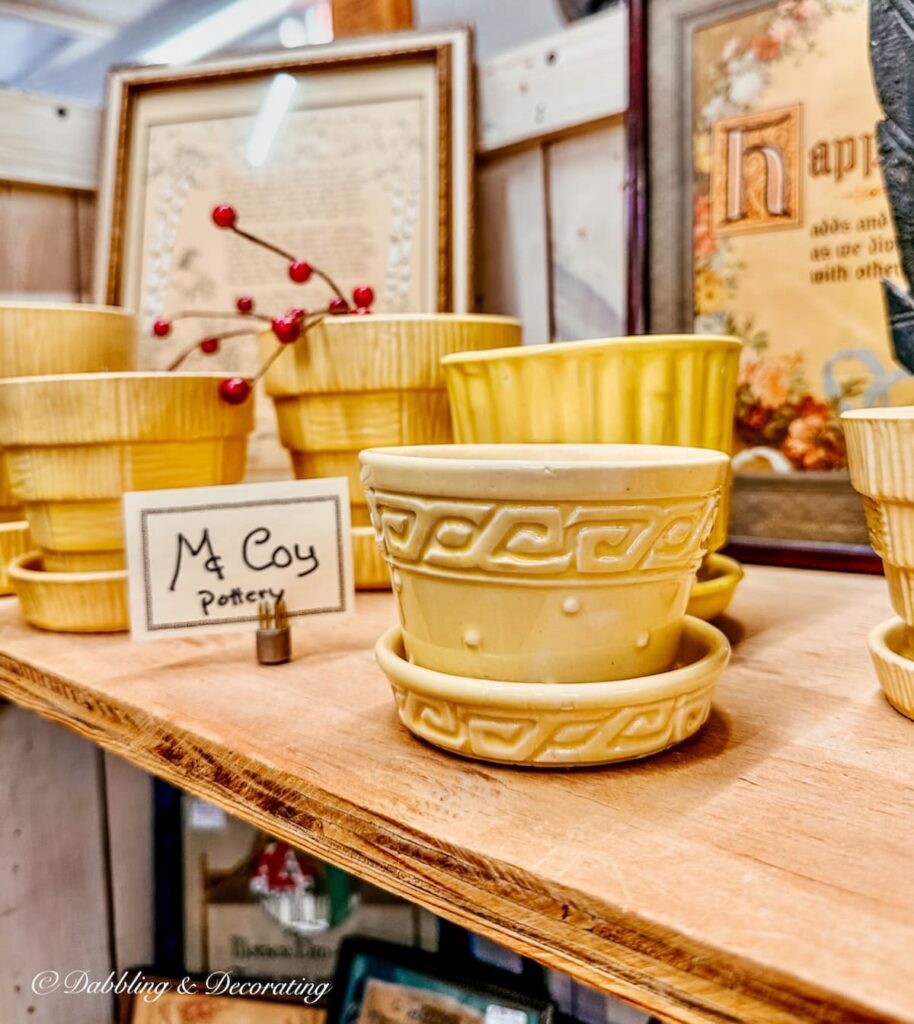
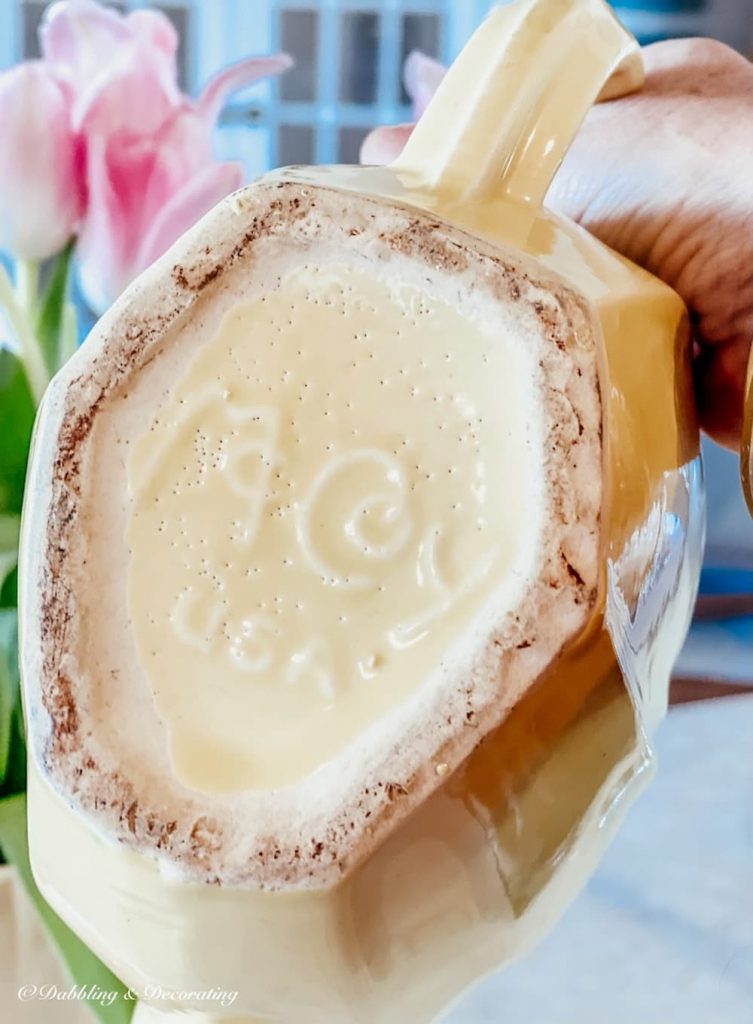
Authentic McCoy yellowware bowls often feature classic banded designs, sturdy forms, and a timeless, functional beauty that makes them especially collectible today. Keep an eye out for unmarked pieces too, many early McCoy yellowware items were not stamped, adding a bit of mystery and treasure-hunting fun to the collecting process.
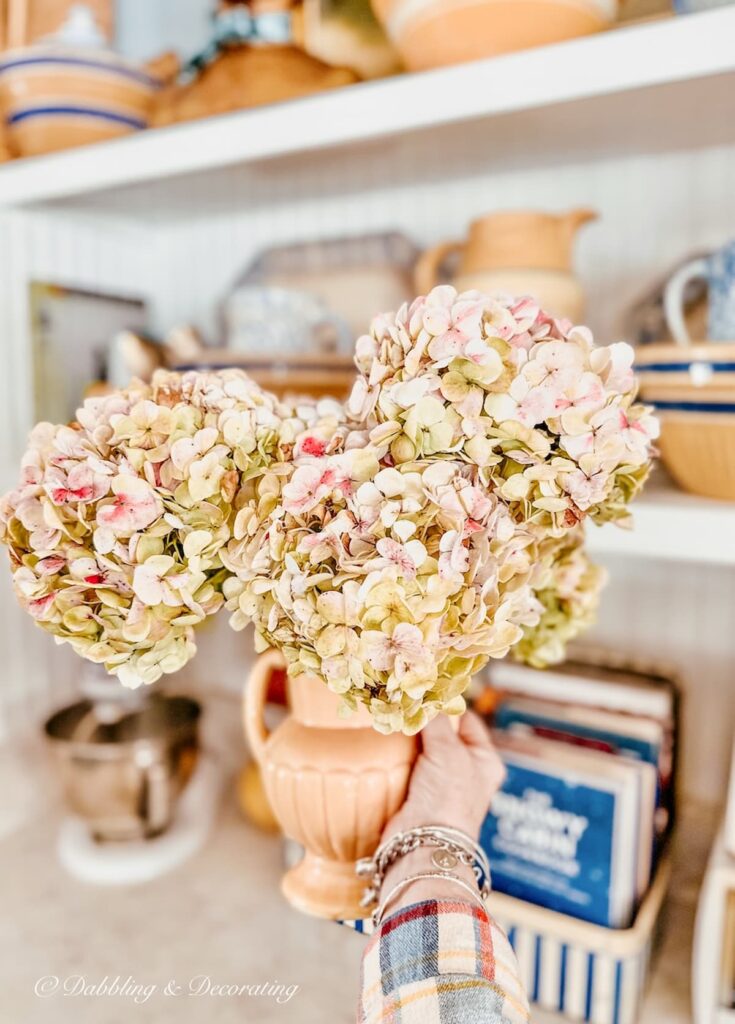
Today, vintage McCoy yellowware is a collector’s dream, blending farmhouse charm with the timeless appeal of well-loved pottery.
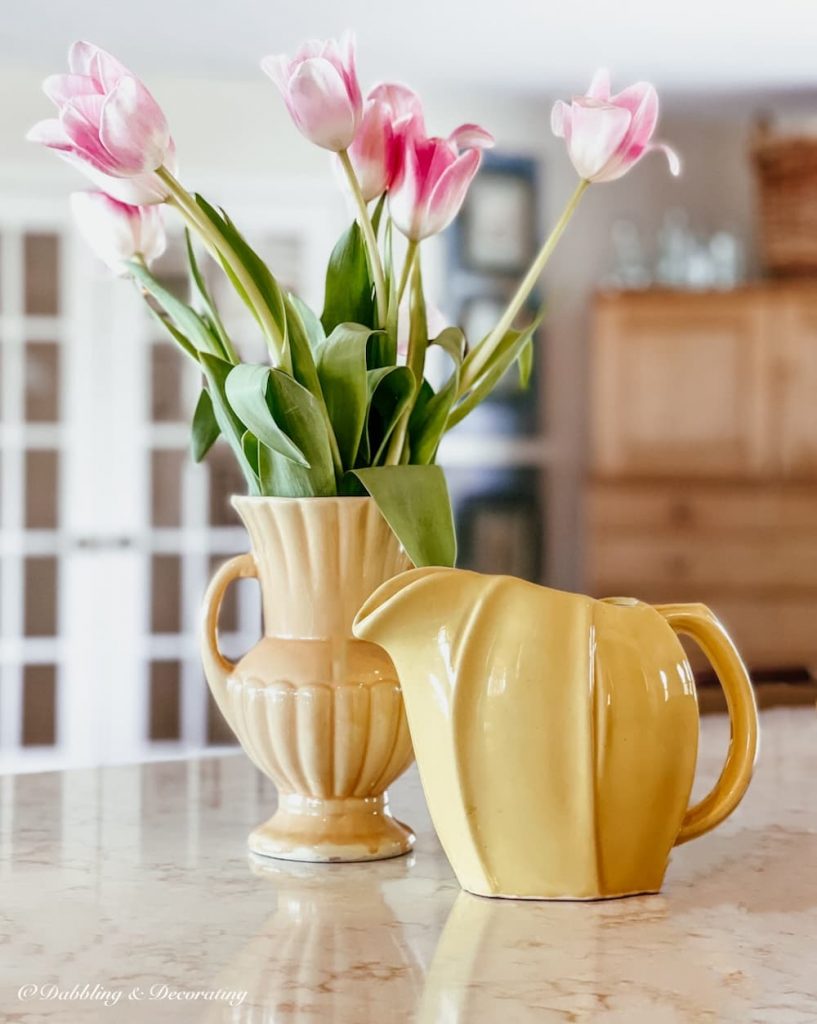
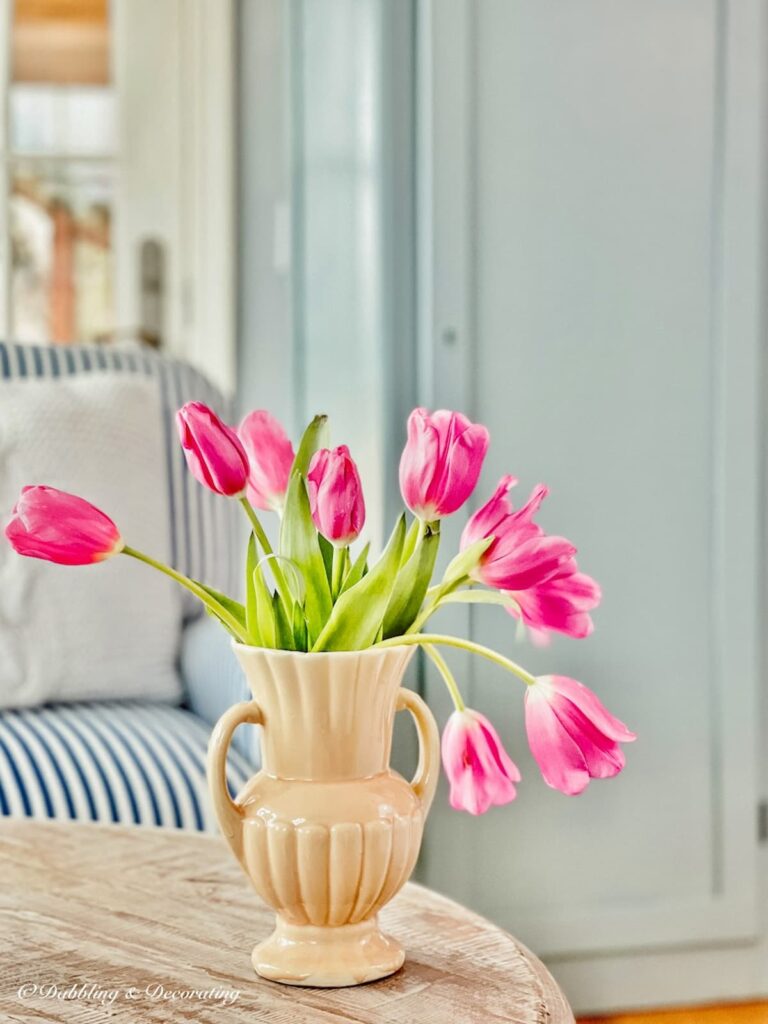
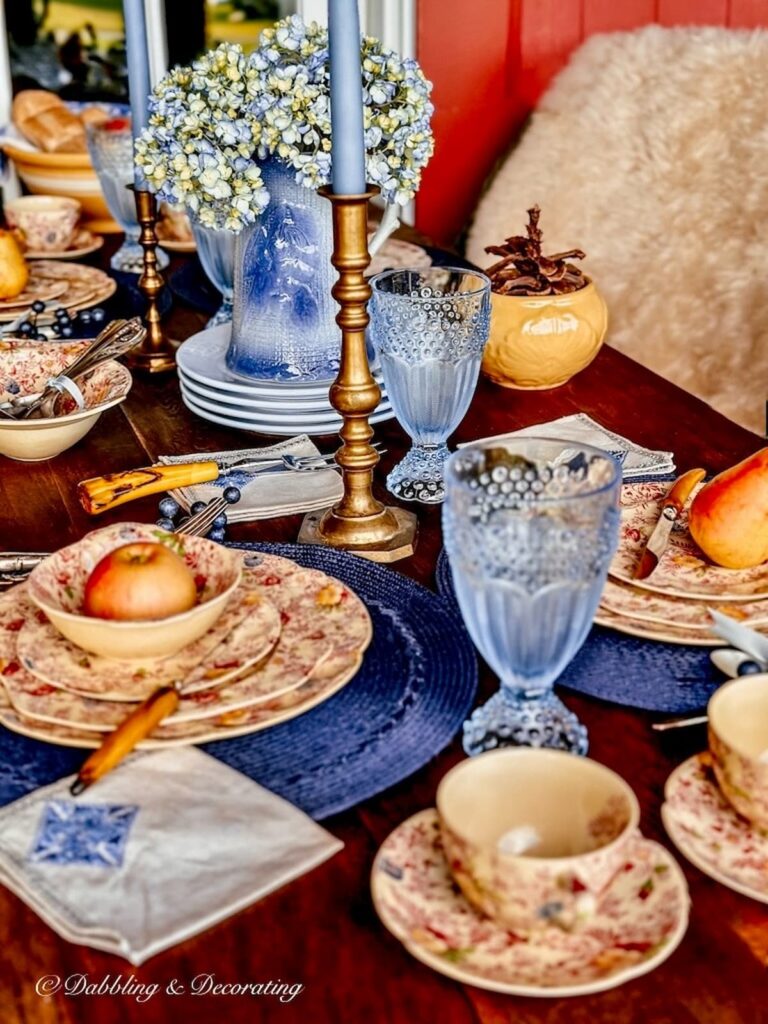
Decorative Yellowware Details That Make These Vintage Pieces So Collectible
Yellowware isn’t just about its signature creamy yellow hue, it’s the decorative details that turn each piece into a true treasure. From crisp white or blue striped bands to rare spatterware glazes, embossed motifs, and even the elusive seaweed patterns, these subtle variations tell a story of regional craft and everyday beauty.
Each flea market find or antique store score offers a unique surprise, which is exactly what makes collecting vintage yellowware so exciting, and so addictively fun!
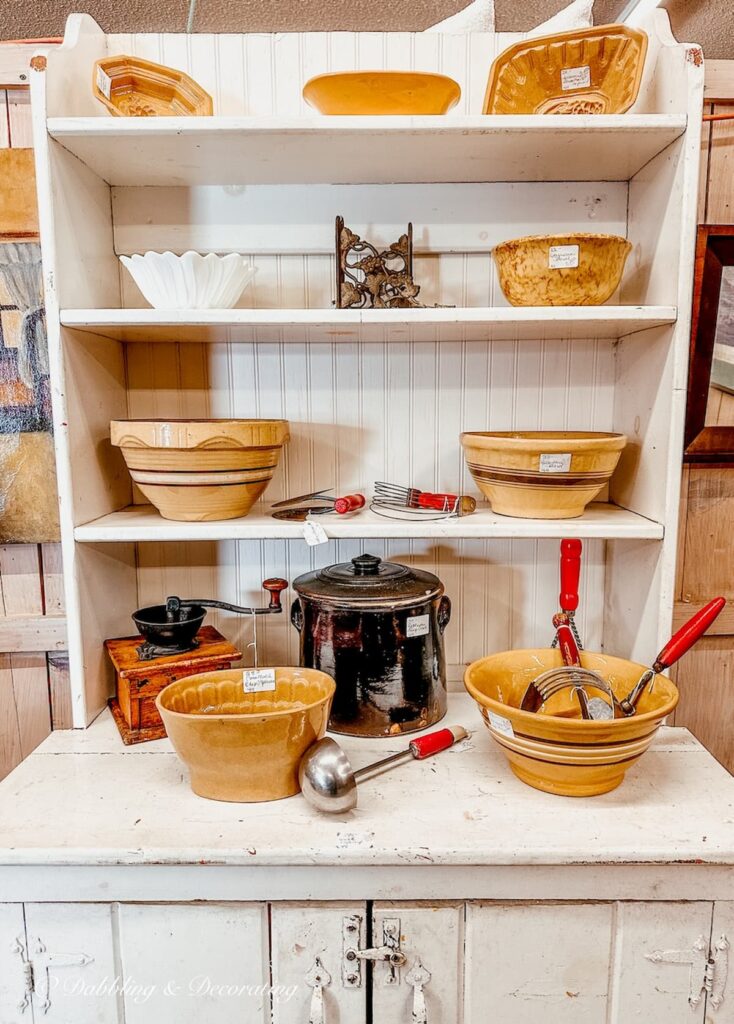
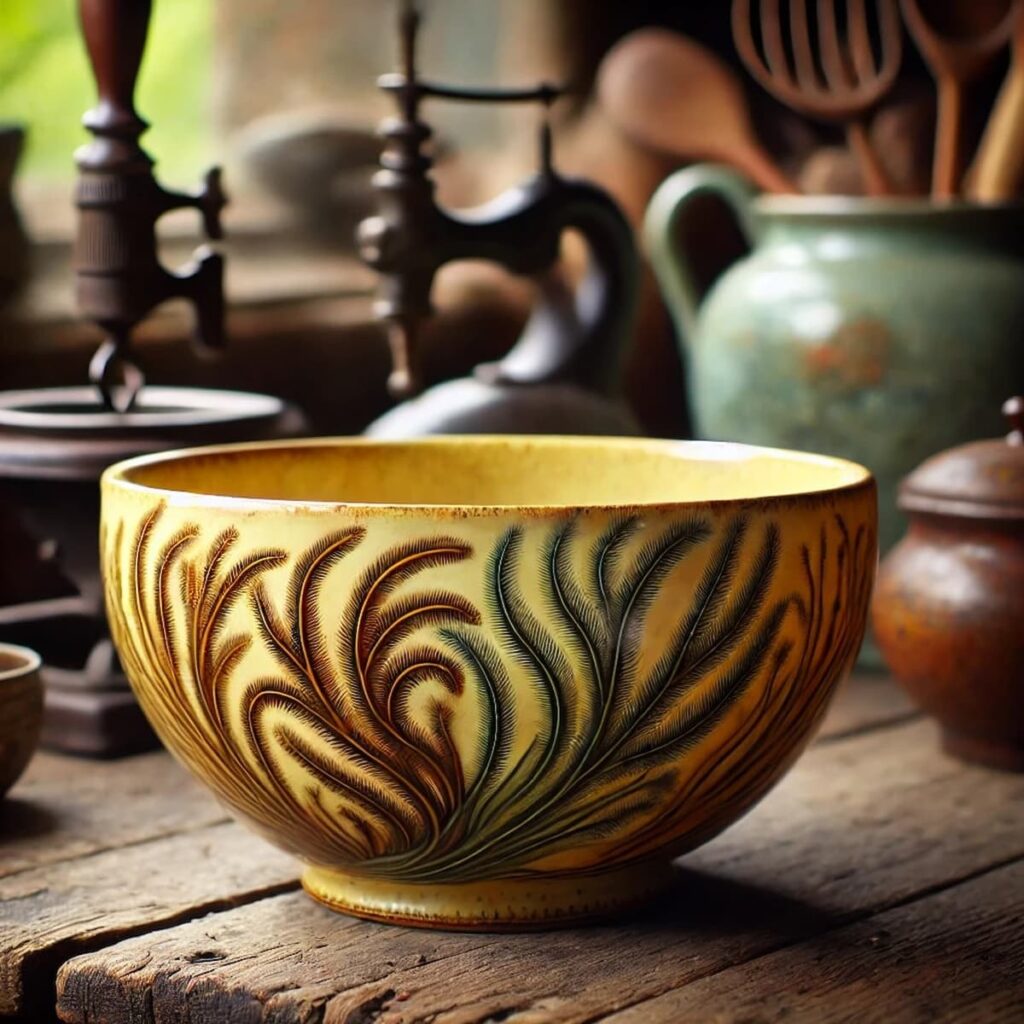
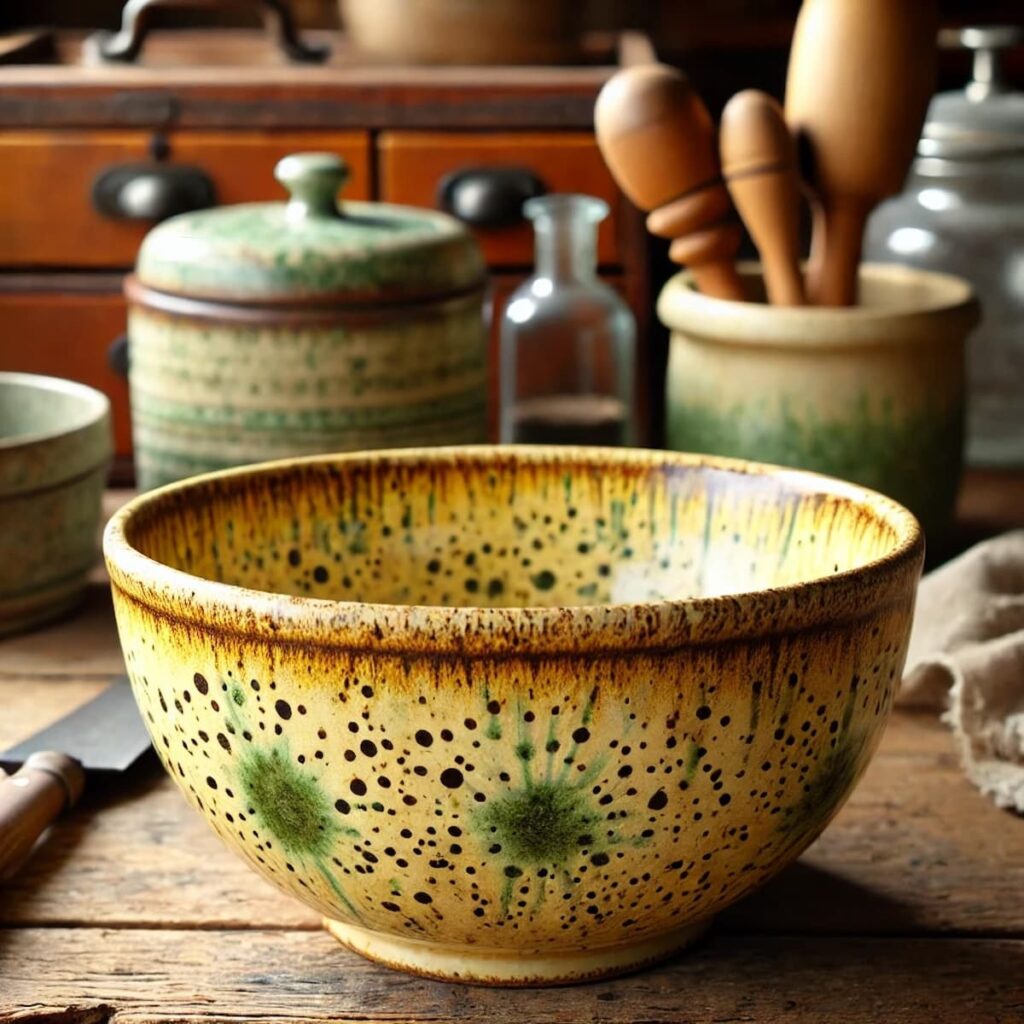
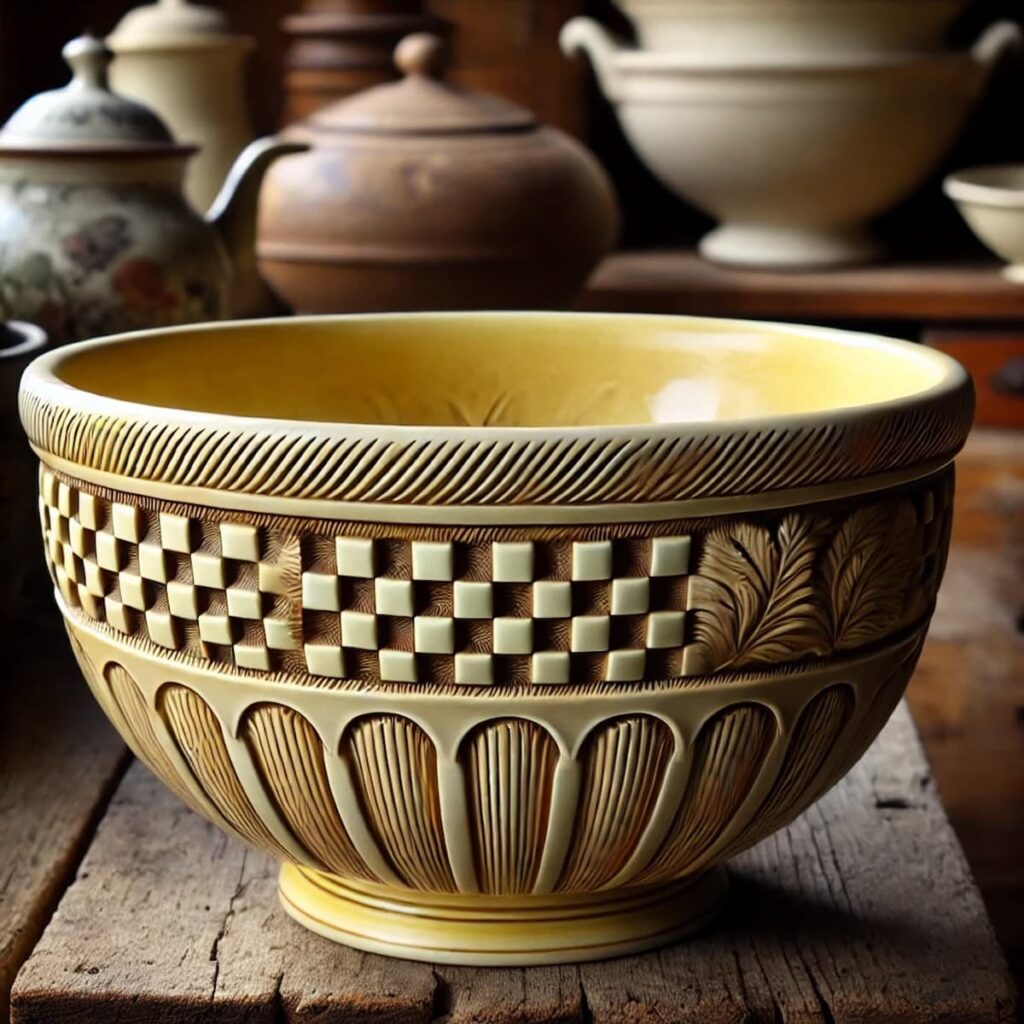
My favorite yellowware pieces to collect are those with classic blue and white striping, especially when paired with my mother’s vintage bowls featuring white and brown bands.
How to Collect Vintage Yellowware Pottery
Yellowware Styles and Design Trends Through the Decades
Like all beloved vintage finds, yellowware has had its ups and downs in the world of collecting, and its price tags have followed suit.
In the 1990s and early 2000s, yellowware mixing bowls with crisp blue and white stripes became kitchen must-haves, thanks in large part to Martha Stewart’s iconic collection featured in her books and magazines. Suddenly, these humble antique bowls were in high demand, and collectors began scouring flea markets and estate sales to snag their own.
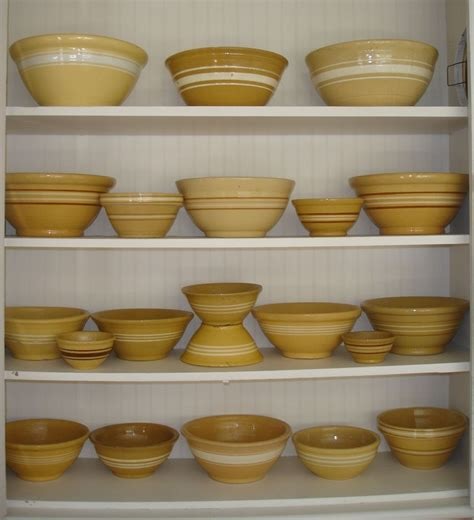
Fast forward to 2015, and Joanna Gaines’ farmhouse style reignited our love for primitive charm, bringing vintage yellowware back into the spotlight in a big way.
But as decorating trends shift, so do prices.
What was once a $60–$75 splurge at antique shops is now often a $30 steal at flea markets and estate sales, making this the perfect time to start (or expand) your yellowware collection.
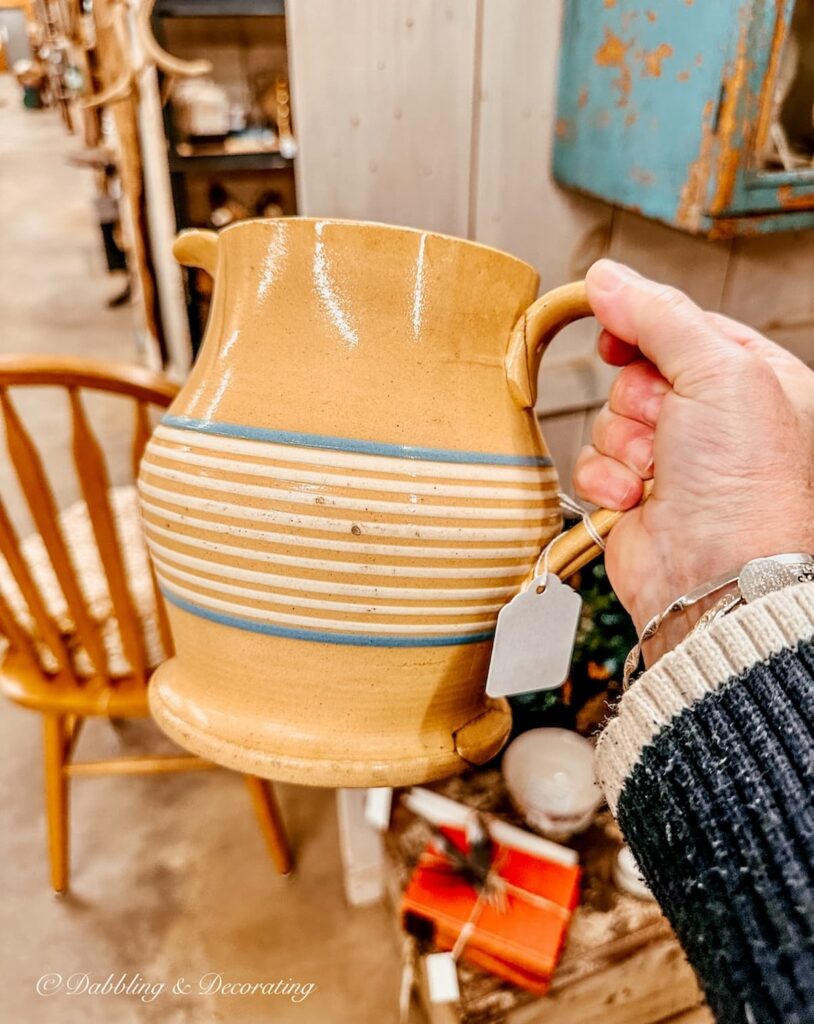
Whether for baking, displaying, or simply admiring, yellowware is a timeless piece of history that never really goes out of style, just like a great thrift store find!
The best part?
Prices have dropped, what used to be a $150 bowl can now be found for $25 to $30, making it the perfect time to start stacking and collecting.
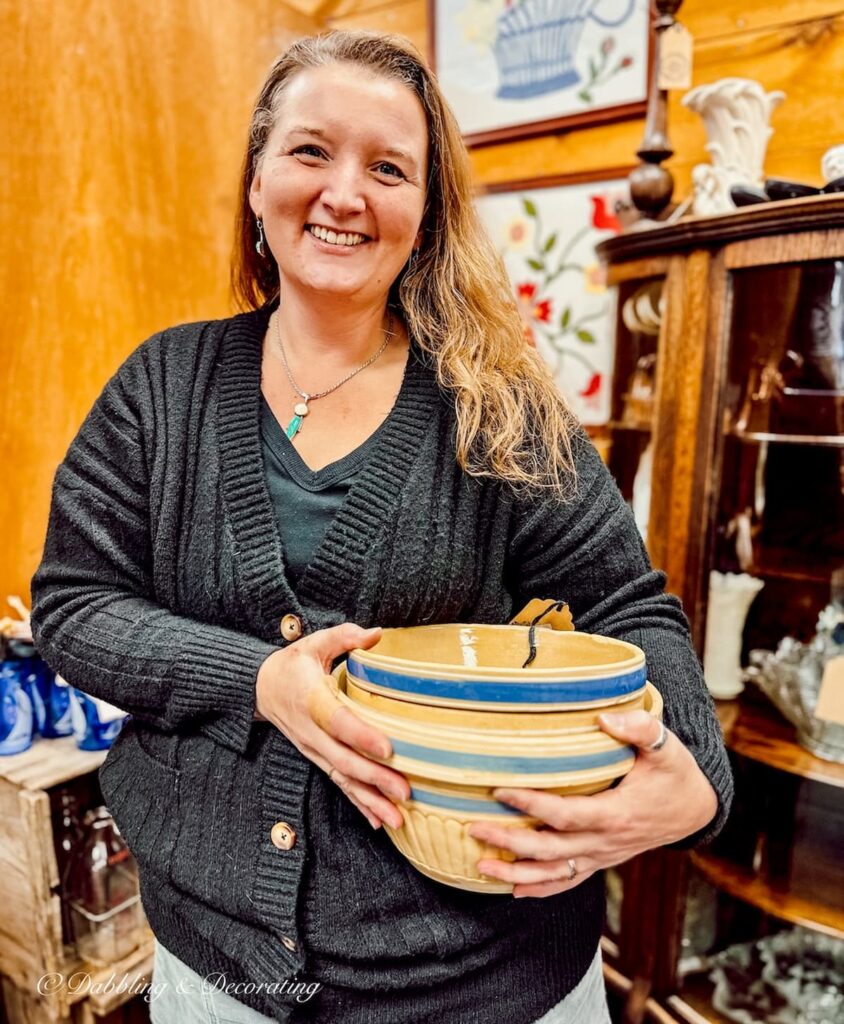
Antiquing for Yelloware Tip
If you don’t spot any yellowware at your local antique store, flea market, or thrift shop, always ask! I almost walked right past a stack of four yellowware bowls with blue stripes the other day—somehow missing them completely. But after chatting with a wonderful antique dealer at Half Moon Home Decor & Designs, I discovered they were sitting right there, just waiting to be found and all four for just $40 bucks! Moral of the story? Before you leave, always ask—you never know what treasures might be hiding in plain sight!
And let’s be honest, you never really run out of room for a good yellowware stack!
Vintage Yellowware Decorating Ideas for Kitchen and Home
How I Style and Display My Yellowware Collection
I never really set out to collect yellowware, but sometimes the best collections find you.
I inherited a mix of antique yellowware bowls and pitchers from my mother (you can read more In my My Mother’s Maine Home blog series), but for years, I didn’t think much about it.
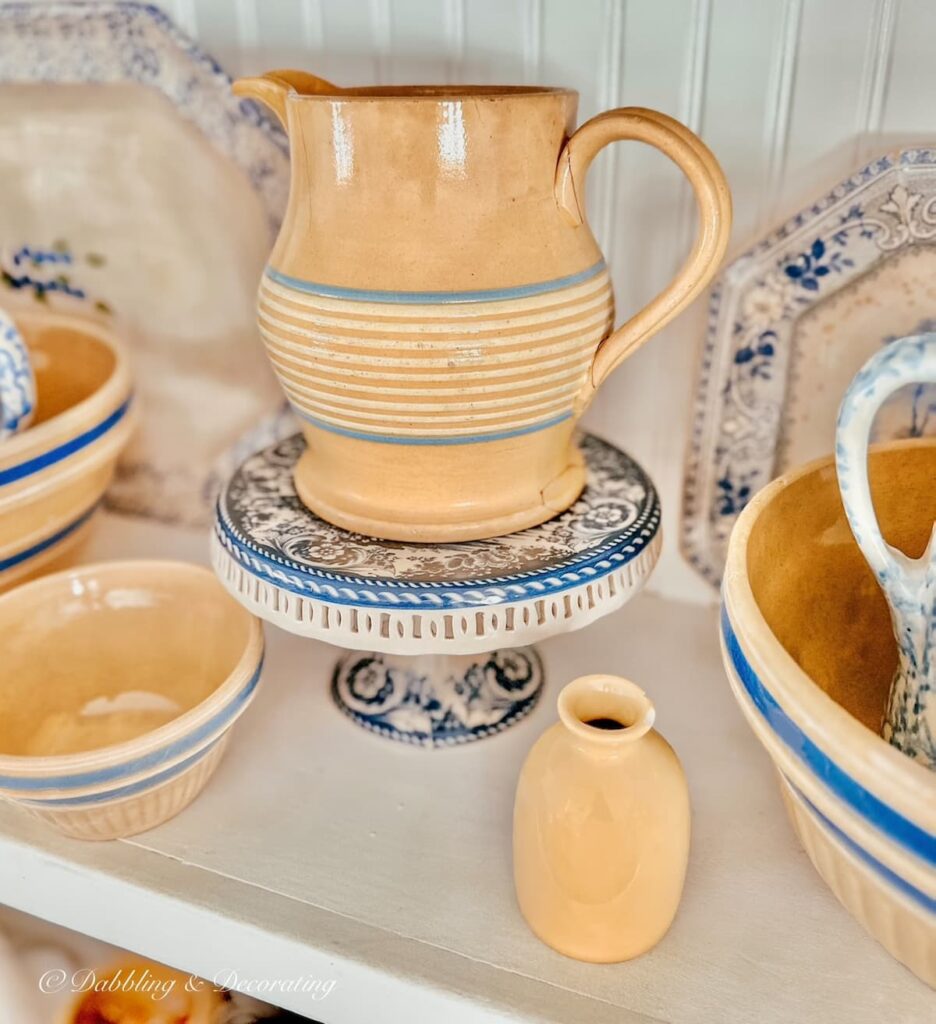
Then, one day, I pulled out a few bowls with blue stripes and placed them on my open kitchen shelving, and just like that, I was hooked.
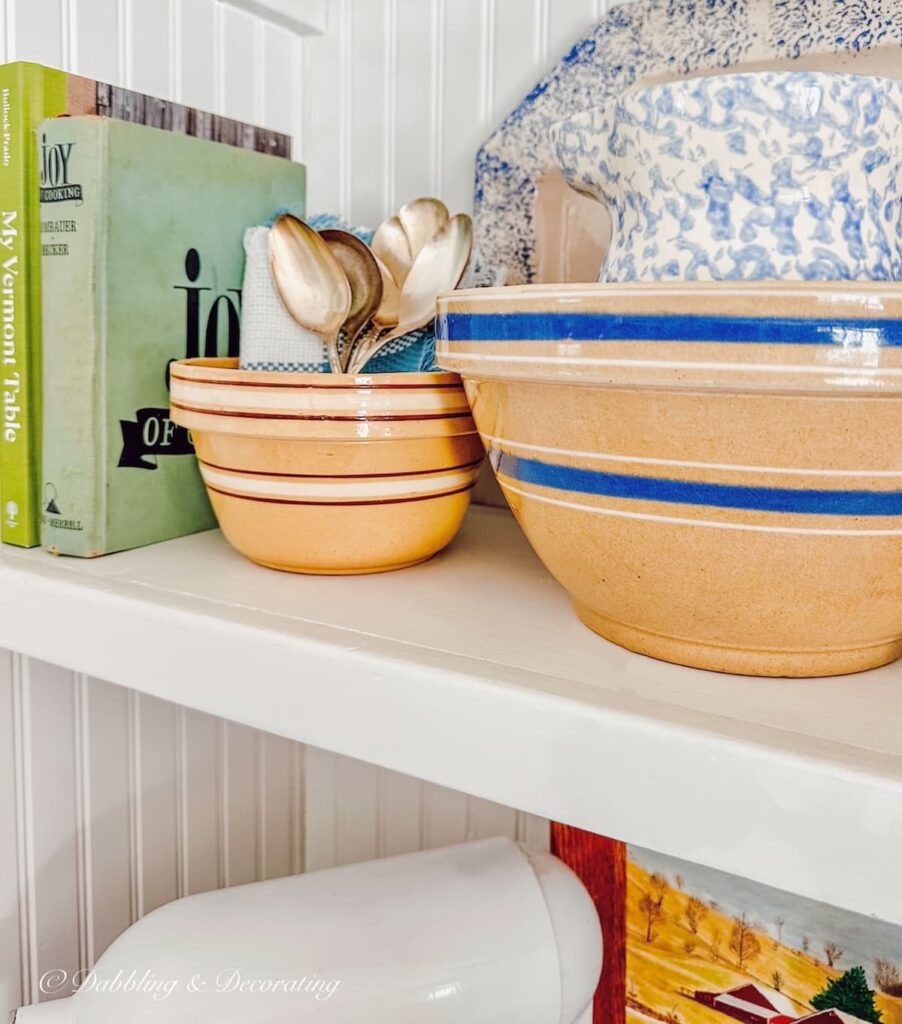
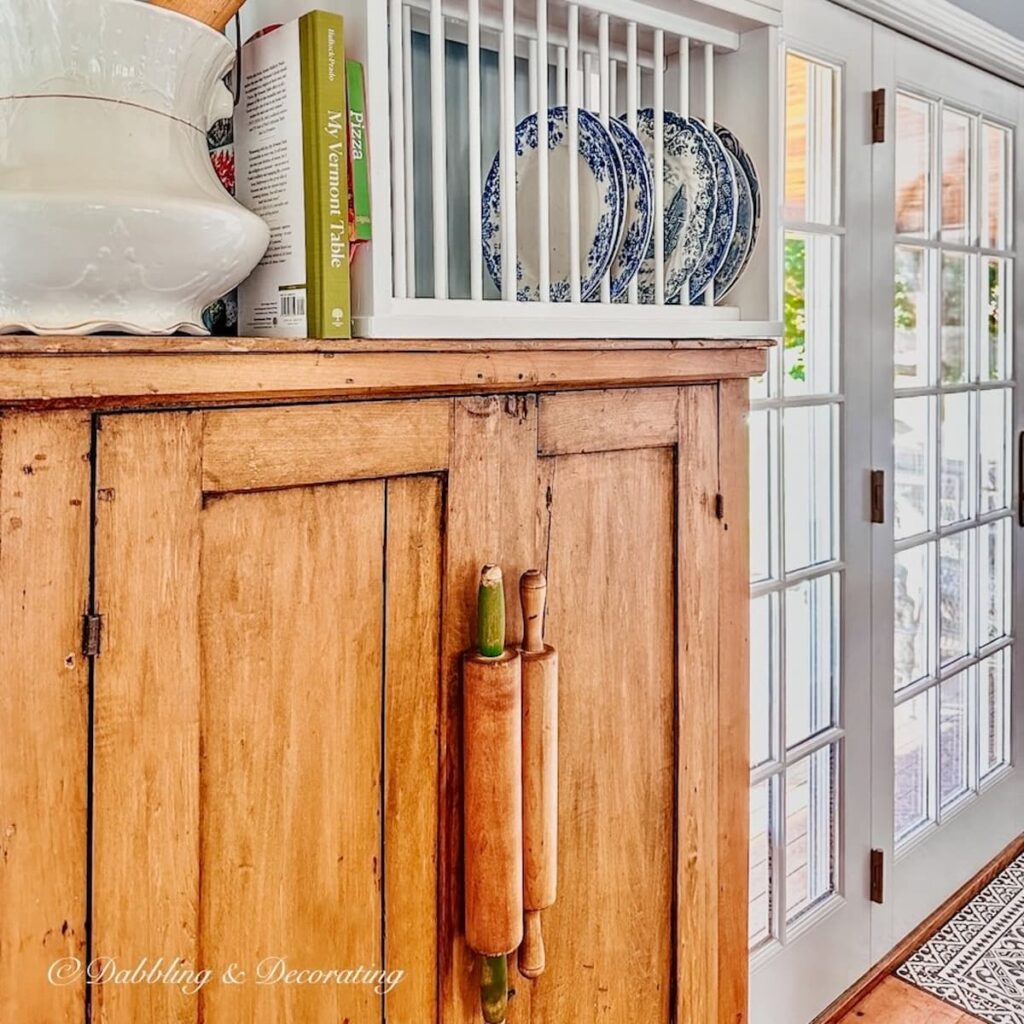
The warm yellow tones paired with the classic blue were so charming, and when I mixed in some of my mother’s plain vintage yellowware, along with bowls featuring white and brown stripes, the collection really started to come alive.
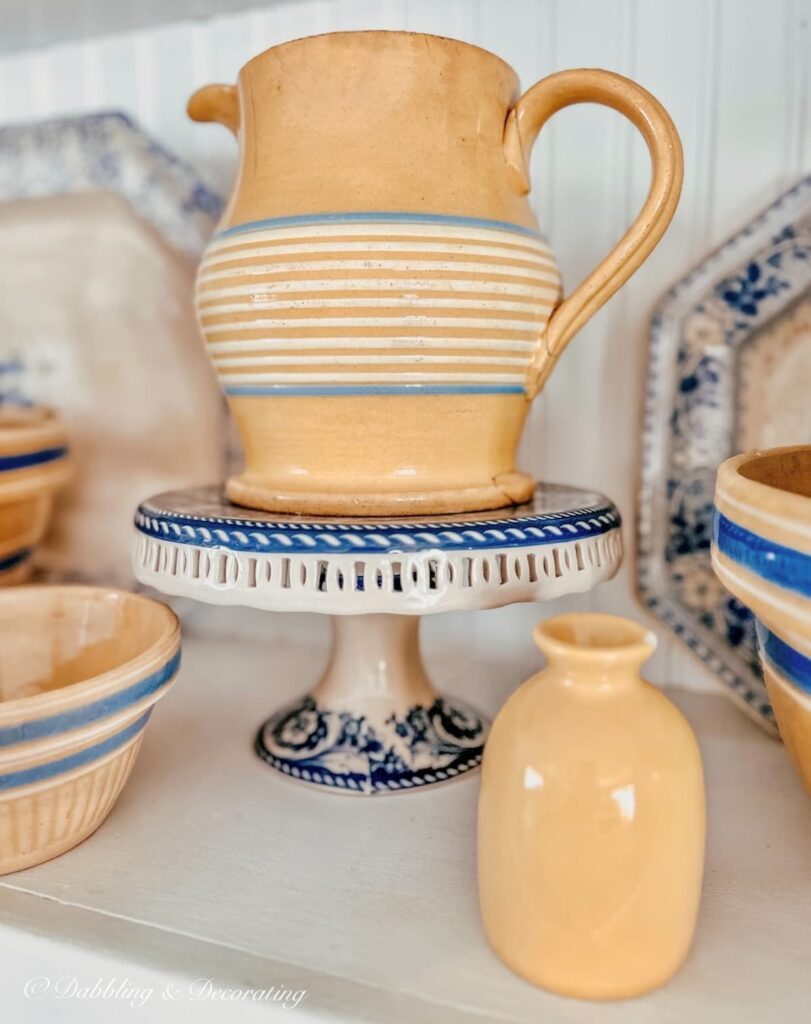
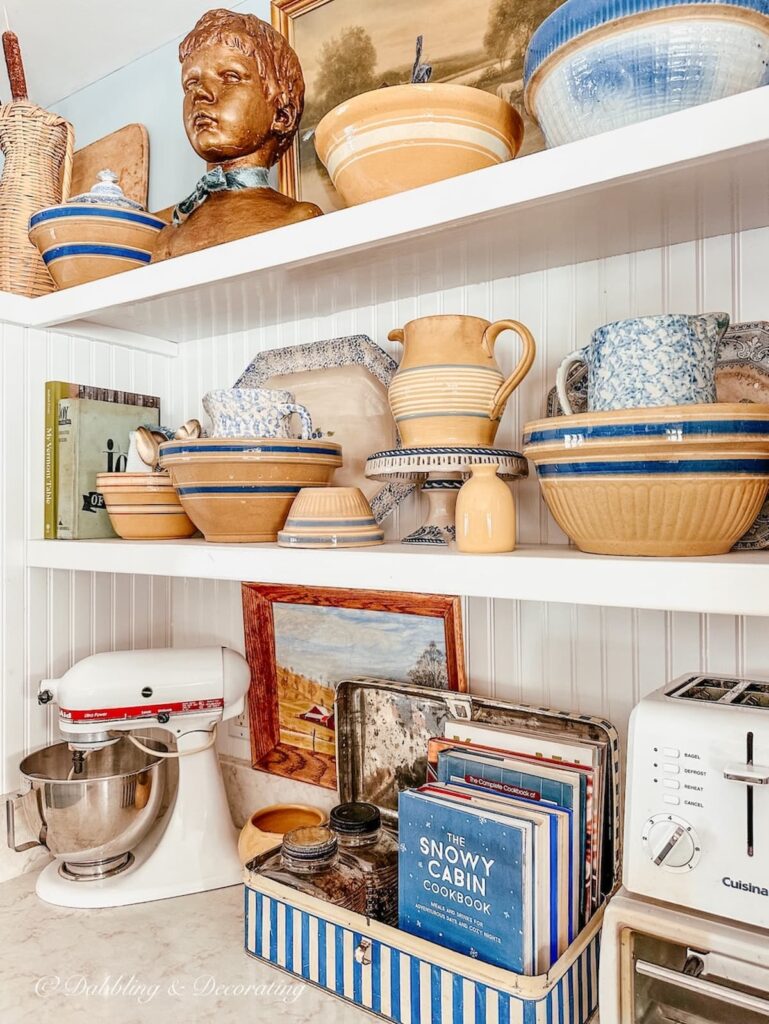
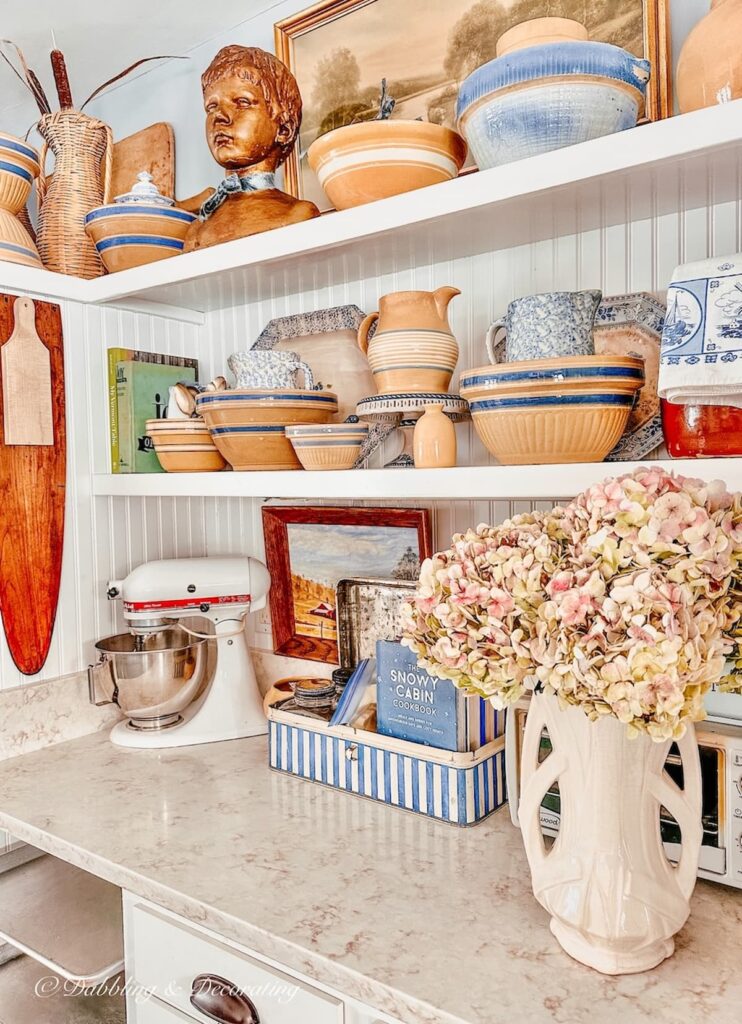
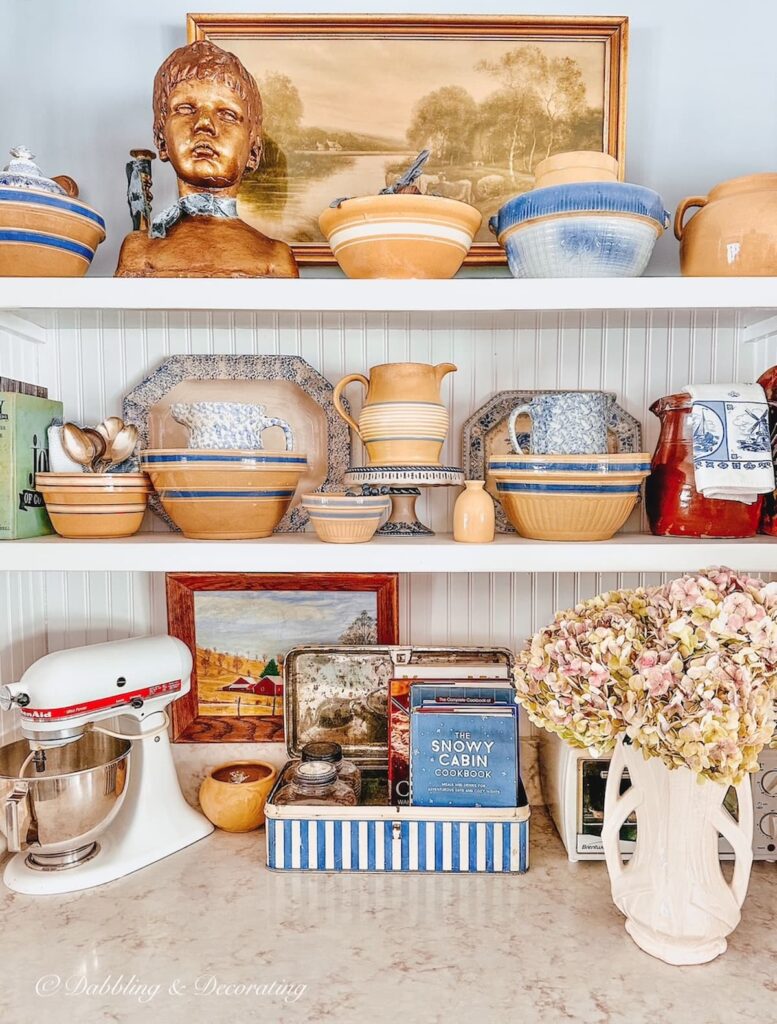
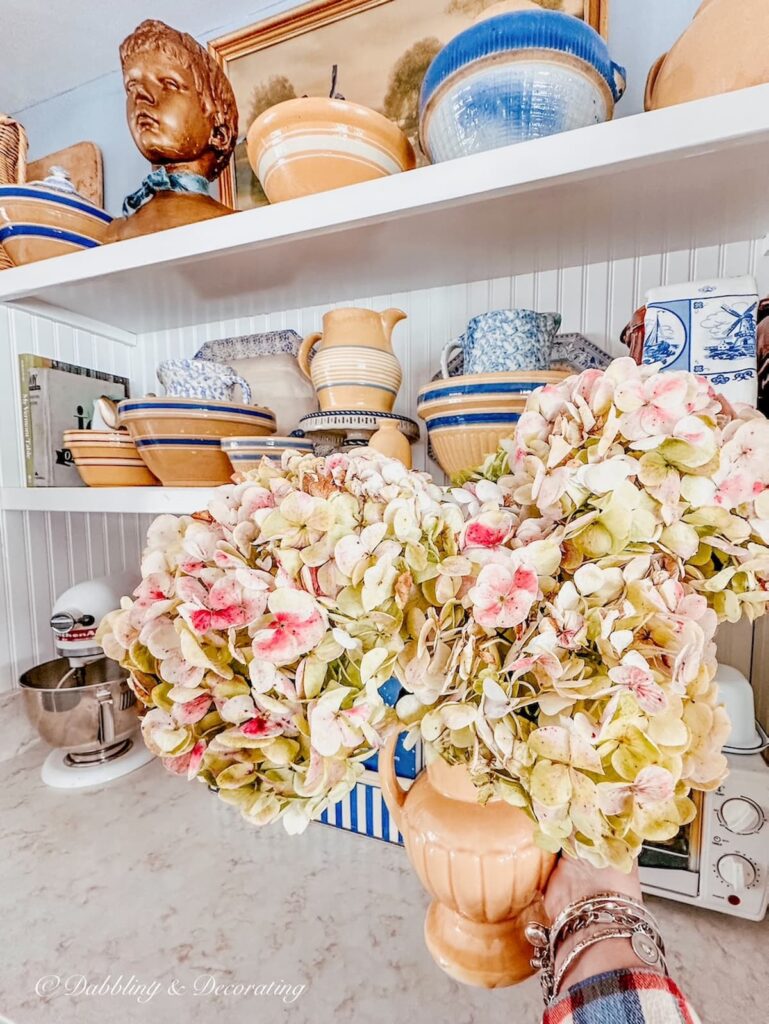
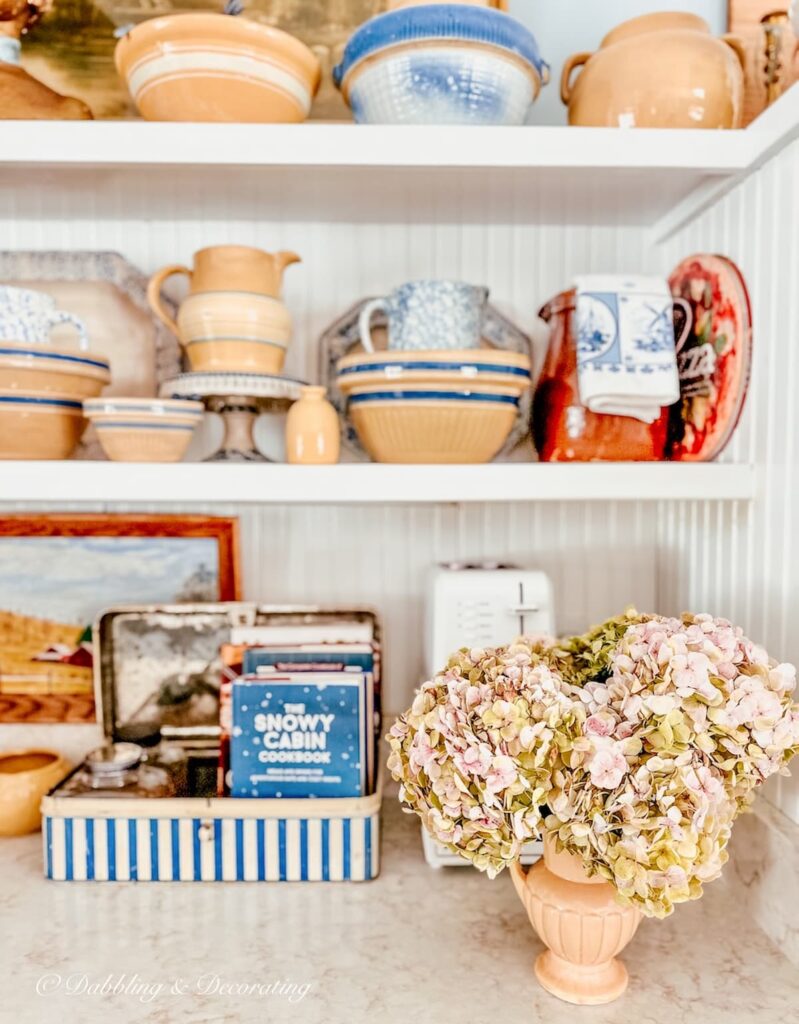
The warm, golden tones of our antique yellowware truly shine against the crisp white backdrop of open kitchen shelving, creating a display that feels both charming and storied.
I love how the mix of mid- and late-19th-century pieces, some with classic blue bands, others with white and brown stripes, brings a cozy, collected-over-time feel to the space.
To add depth and character, I layered in my mother’s plain yellowware bowls, rich brown pottery, vintage pitchers, and even a newly thrifted brown bust tied with a soft velvet blue bow.
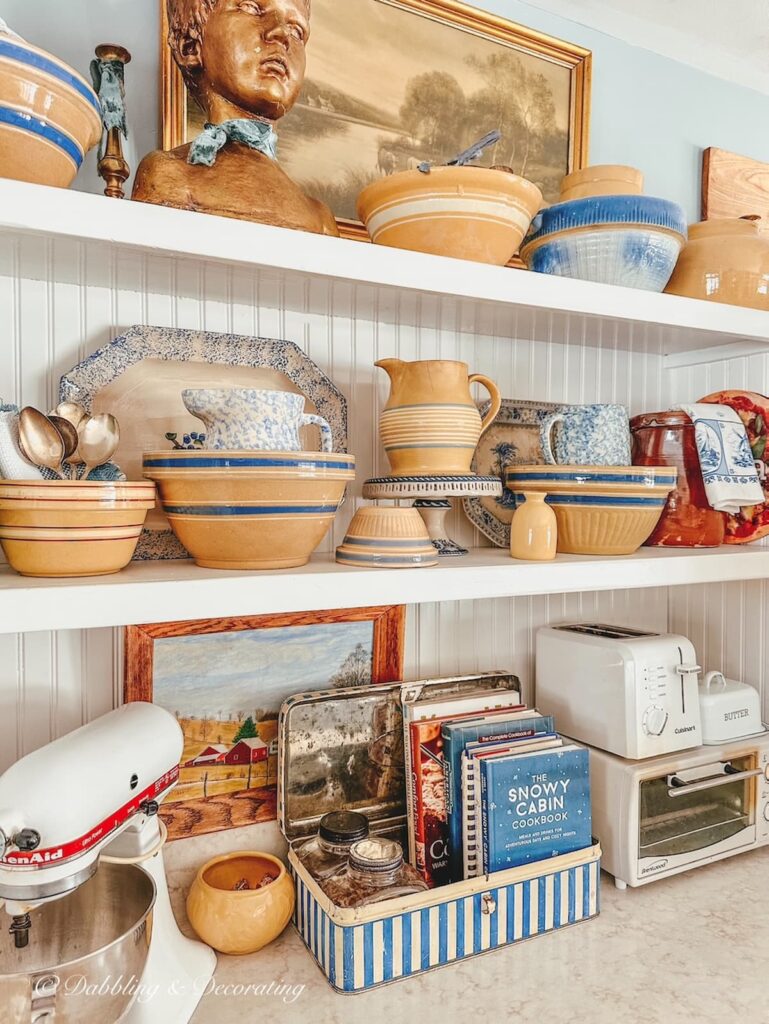
For height and a bit of whimsy, I tucked in antique blue and white cake stands, softened the shelves with folded vintage linens, and lined up a few well-loved cookbooks inside a striped blue-and-white tin I found while antiquing in Paris.
A small thrifted painting of a Vermont scene and a scattering of vintage cutting boards added the perfect finishing touch, accentuating the rich texture of the yellowware while weaving in pieces of my travels and family history.
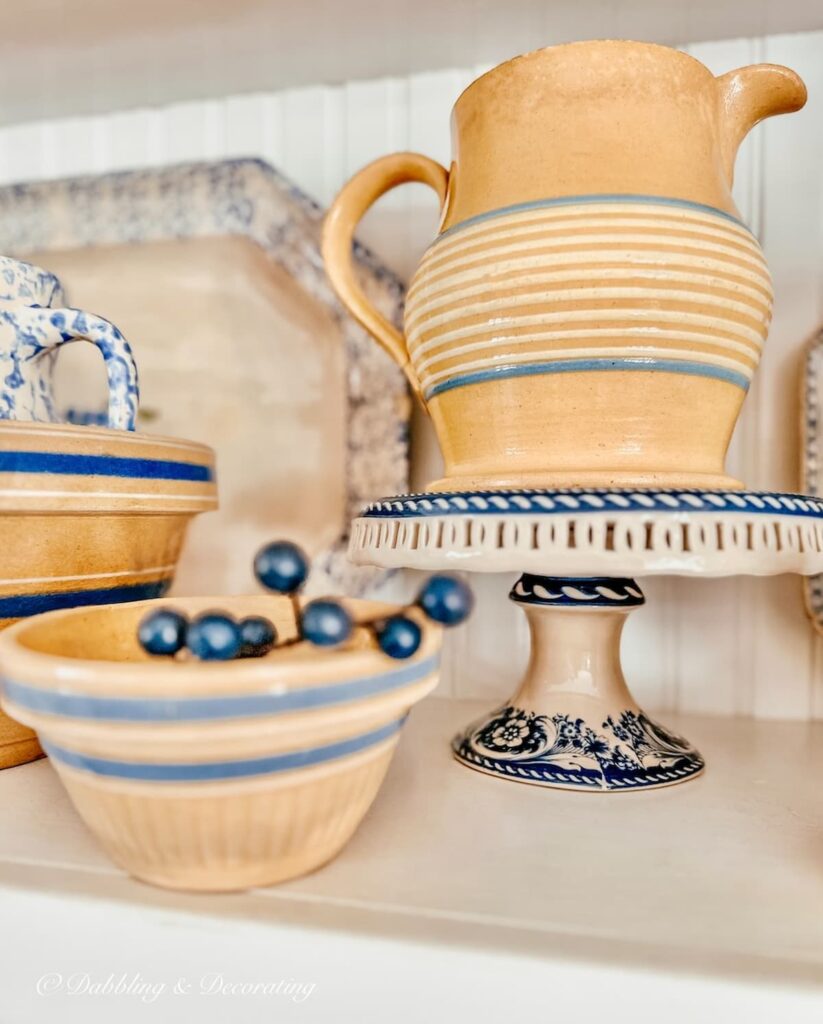
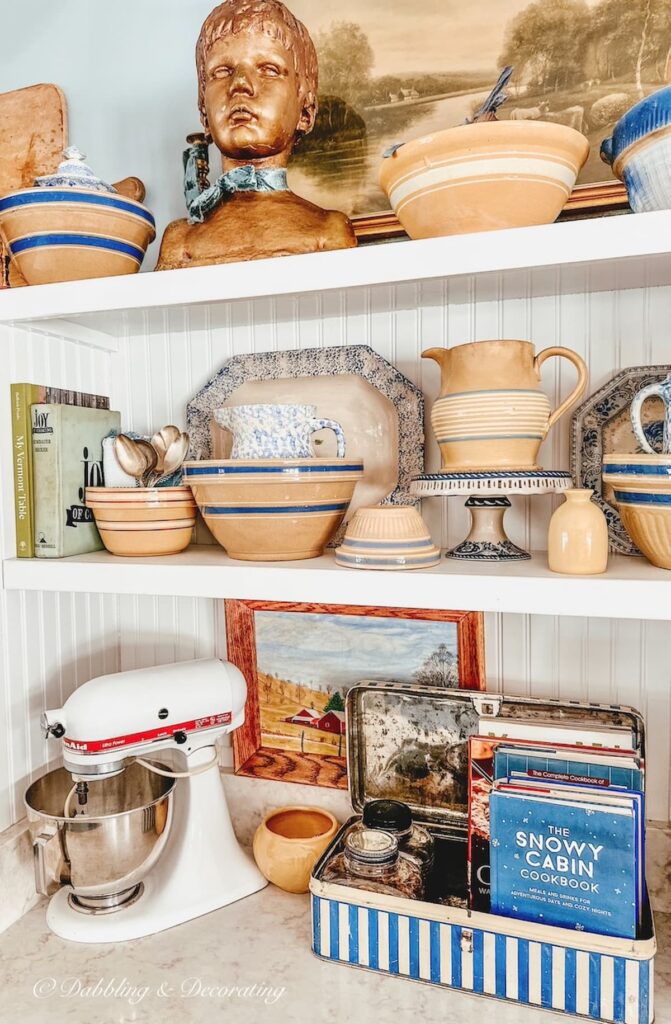
It’s a warm, welcoming display that feels effortlessly vintage and deeply personal!
6 Creative Ways to Decorate with Vintage Yellowware
Incorporating vintage yellowware into your home decor brings a cozy blend of rustic charm and timeless history. Whether you’re styling a cottage kitchen or curating open shelves, these creamy yellow treasures add warmth and personality to any space.
Here are six creative ways to decorate with antique yellowware in your home:
Join us for a day of antiquing in Vermont with the gals, where I found the antique yellow ware pitcher with blue stripes:
The beauty of vintage yellowware lies in its versatility. It pairs effortlessly with neutral tones, bold blues, or warm browns, and always brings a sense of nostalgia and authenticity to any space.
So, whether you discover your next treasure at a flea market, a thrift shop, or tucked away in a family attic, embrace the imperfections, the aged patina, and the stories each piece carries. That’s the true magic of decorating with yellowware.
Happy collecting!
Part of the Vintage Decorating Guide Series
This post is part of my Vintage Decorating Guide series, where I share timeless tips, styling ideas, and collector inspiration for creating a home filled with vintage charm. From antique yellowware to blue and white transferware, crocks, pitchers, and more, these guides are here to help you curate and style your own one-of-a-kind home.
Love vintage decor? Be sure to explore more of my decorating guides, and don’t forget to subscribe or follow along for fresh finds and seasonal styling ideas!
More Vintage Decorating Guides You’ll Love:
Frequently Asked Questions About Yellowware
What is vintage yellowware?
Vintage yellowware is a type of ceramic pottery made from yellow clay, known for its warm golden hue. Popular throughout the 19th and early 20th centuries, it was commonly used for kitchen essentials like mixing bowls, crocks, and pitchers. Today, yellowware is highly collectible for its rustic charm and nostalgic appeal.
How can you tell if yellowware is antique or a reproduction?
Authentic antique yellowware is typically heavier, with a soft glaze that may show crazing (fine cracks). Many pieces are unmarked, and handmade imperfections add to their charm. Reproductions tend to have a lighter weight, more uniform finish, or modern brand stamps. Aged patina and subtle inconsistencies often point to the real deal.
Is yellowware safe to use with food?
Due to the age and potential for lead-based glazes, vintage yellowware is best used for decorative purposes only. Unless a piece is confirmed food-safe by the seller, it’s safest to style yellowware on shelves, hutches, and tables rather than serve from it.
Where can I buy vintage yellowware?
You can find yellowware at antique shops, flea markets, estate sales, online marketplaces like eBay and Etsy, and even thrift stores. Prices can vary widely based on size, condition, glaze style, and rarity. Tip: flea markets and rural antique barns often have the best bargains!
What are the most collectible types of yellowware?
Highly sought-after yellowware pieces include large mixing bowls, pitchers with blue or white bands, embossed or molded designs, and rare finishes like seaweed decoration or spatterware. Collectors also love McCoy yellowware and early unmarked pieces with distinctive patterns.
Pin forLater!
Shop This Post
This post may contain affiliate links, which won’t change your price but will share some commission.

Gaya vintage dari rumah pesisir kami
[ad_1]
Langkah di dalam rumah kami di Maine rumah untuk menemukan ide -ide dekorasi rumah antik yang terinspirasi oleh beberapa dekade mengumpulkan harta vintage. Dari furnitur pusaka dan aksen dunia lama hingga tips gaya kreatif untuk setiap musim, jelajahi cara membawa kehangatan, karakter, dan sejarah ke rumah Anda sendiri dengan potongan antik yang abadi.
Jejak 1.000 kaki lainnya
[ad_1]
Kru jejak telah membuka 1.000 kaki lagi dari jejak “Up at Arapahoe”. Meninggalkan Steilhang Hut, pengendara dan pejalan kaki sekarang dapat melewati sepotong lain dari jalan musim panas. Sulit dipercaya, tetapi itu adalah bagian manis lain dari jejak yang melintasi garis daya yang lebih rendah dan Norwegia yang lebih rendah. Dari tempat bagian baru ini memotong jalan musim panas, jejak bekerja di bawah pembangunan wajah Norwegia terlihat jelas. Man oh man, apakah saya menantikan bagian wajah Norwegia sedang lengkap.

[ad_2]
Jejak 1.000 kaki lainnya
Di dinding lagi
[ad_1]
Tembok timur tidak mengecewakan kemarin. Sementara sebagian besar gunung berjemur dalam kondisi musim semi (yang luar biasa), itu dingin dan dingin di dinding timur atas. Kay dan saya bekerja menaiki tangga lebar Willie. Setelah mengenakan ski kami di atas, kami menyelinap melalui pintu snorkel. Tidak ada banyak pengalaman area ski yang sekeren meluncur melalui pintu. Dengan beberapa couloir untuk dipilih, kami memutuskan untuk bermain ski “Booger.” Dengan tebing di kedua sisi kami, kami menemukan bubuk musim dingin yang sempurna bermain ski sampai ke Traverse. Itu adalah cekungan yang terbaik.

[ad_2]
Di dinding lagi
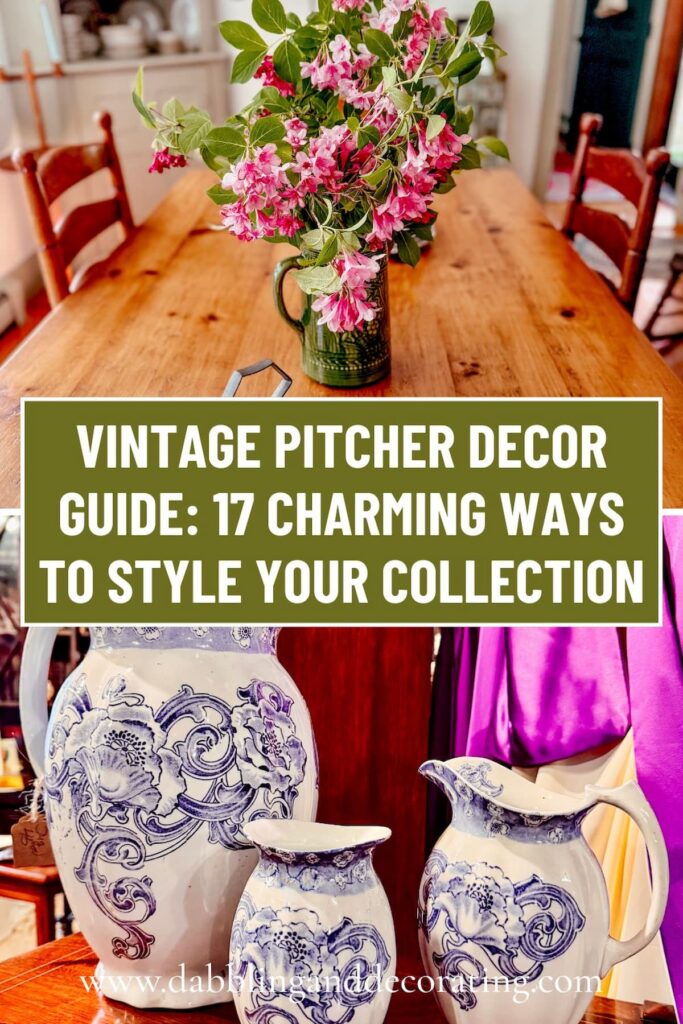
17+ Creative Ways to Style Antique and Vintage Pitchers
[ad_1]
Collect and decorate with charm using this vintage pitcher decor guide. Discover 17 types of collectible pitchers and creative ways to style them throughout your home and every season.
If you love collecting vintage pitchers but aren’t sure how to decorate with them, you’re in the right place. In this vintage pitcher decor guide, I’m sharing 17+ creative ways to style antique and vintage pitchers, from ironstone and transferware to copper, spongeware, and more.
Whether you’re arranging fresh flowers, decorating your kitchen shelves, or creating seasonal centerpieces, these vintage pitcher styling tips will help you display your collection with timeless charm.
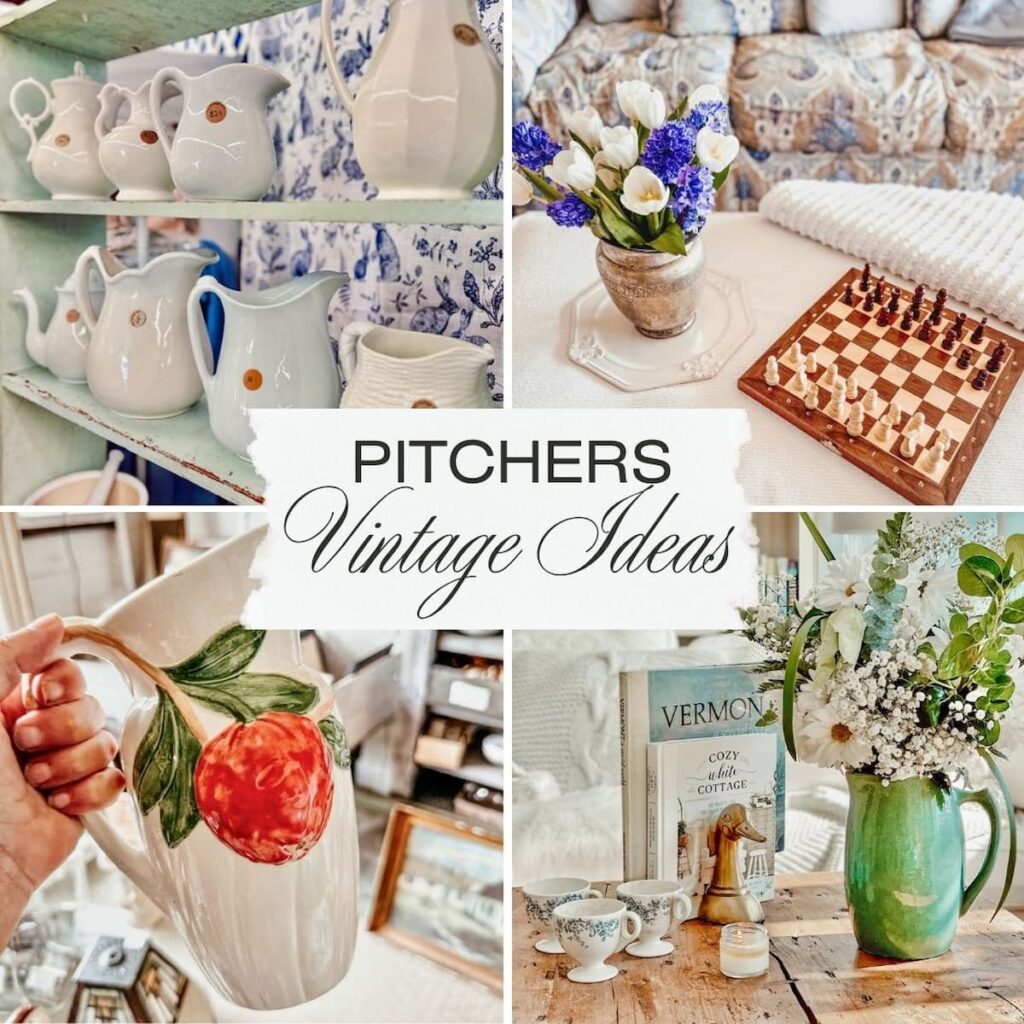
Why Collect Antique and Vintage Pitchers?
There’s just something irresistible about antique and vintage pitchers—their graceful curves, timeless charm, and endless versatility make them a favorite for collectors and decorators alike.
Whether you’re drawn to the delicate patterns of transferware, the patina of old pewter, or the gleam of polished silver, vintage pitchers are functional art pieces that instantly add character to any space.
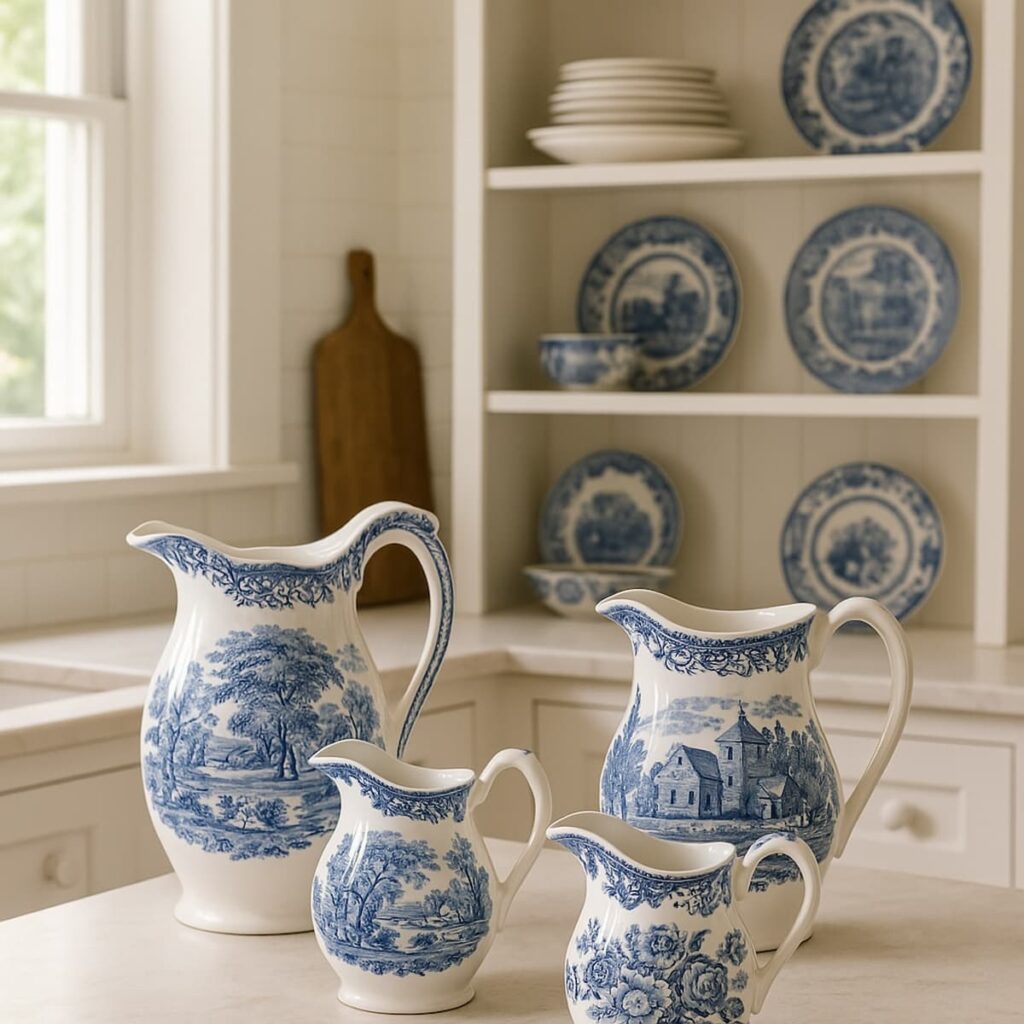
Vintage pitchers are perfect for so much more than just pouring. Use them as charming vases for garden blooms, eye-catching accents on open kitchen shelves, or tucked into a cozy hutch display. Decorating with vintage pitchers is a beautiful way to blend function with nostalgia, each piece tells a story and adds personality to your space.
And once you start collecting, don’t be surprised if one vintage pitcher quickly turns into a joyful, ever-growing display of antique charm!
Pin forLater!


17 Types of Vintage Pitchers to Look For
If you’ve ever fallen in love with a vintage pitcher at a thrift shop or flea market, you know how easy it is for one to become a collection. Whether you’re just starting to collect or already have a cabinet full, these are some of the most timeless and collectible types of vintage pitchers to look for. Each style brings its own character, history, and charm to your home decor.
Transferware Pitchers
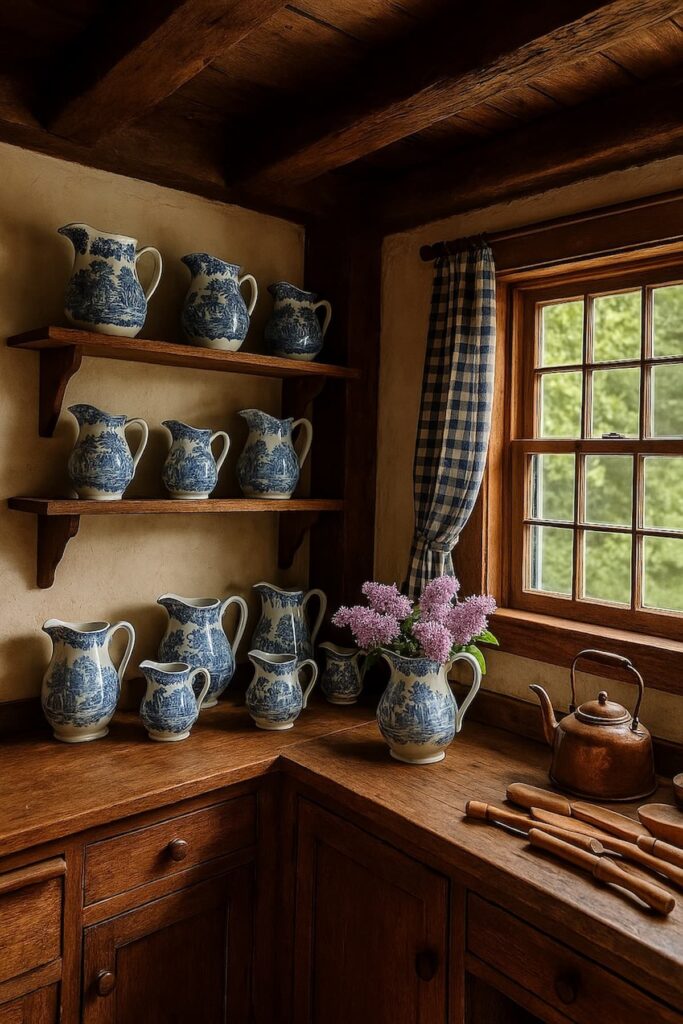
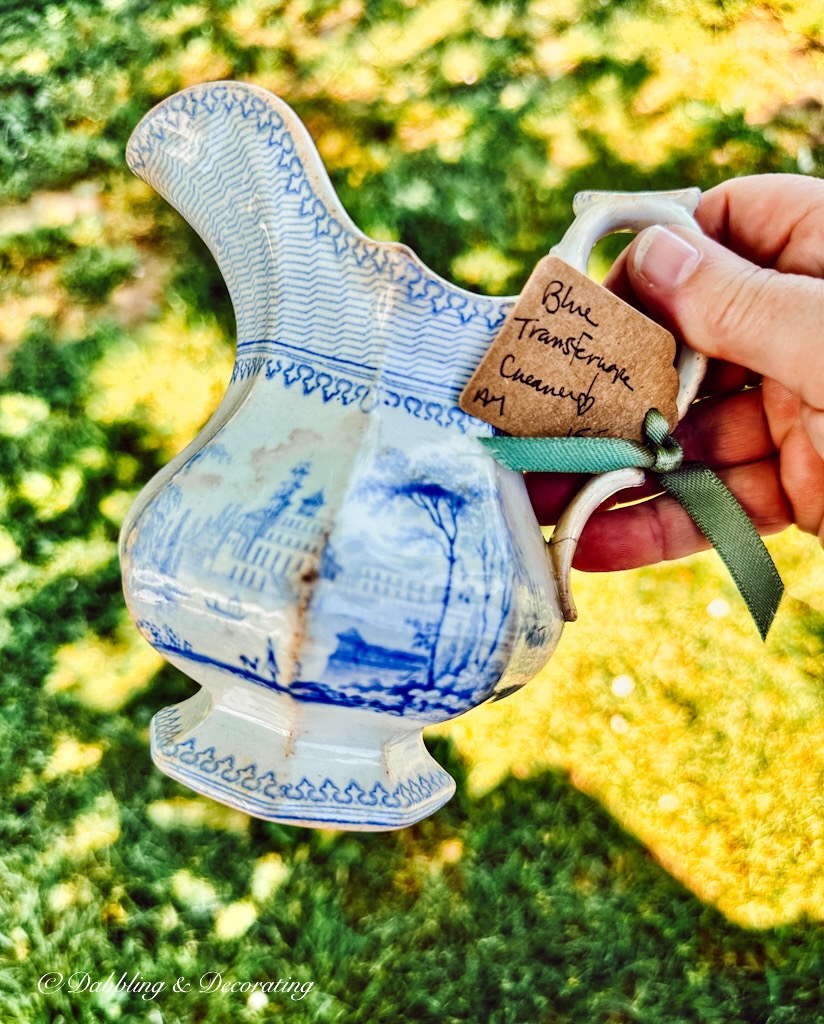
Known for their detailed blue, red, or brown patterns, vintage transferware pitchers often feature charming countryside scenes, florals, or pastoral designs. These pitchers are a favorite for cottage-style decorating and look beautiful on open shelves, hutches, or used as vases for fresh flowers. Their timeless appeal makes them perfect for vintage-inspired kitchens, dining rooms, and cozy nooks. Explore more in this Transferware in My Mother’s Maine Home post.
SHOP VINTAGE TRANSFERWARE PITCHERS
Stoneware Pitchers
Durable and full of character, vintage stoneware pitchers add a rustic farmhouse touch to any space. Their weighty feel and muted, glazed finishes make them perfect for styling on kitchen counters, open shelves, or in seasonal porch displays. Whether paired with wooden utensils or filled with fresh greenery, stoneware pitchers bring timeless texture to your home decor.
Pewter Pitchers
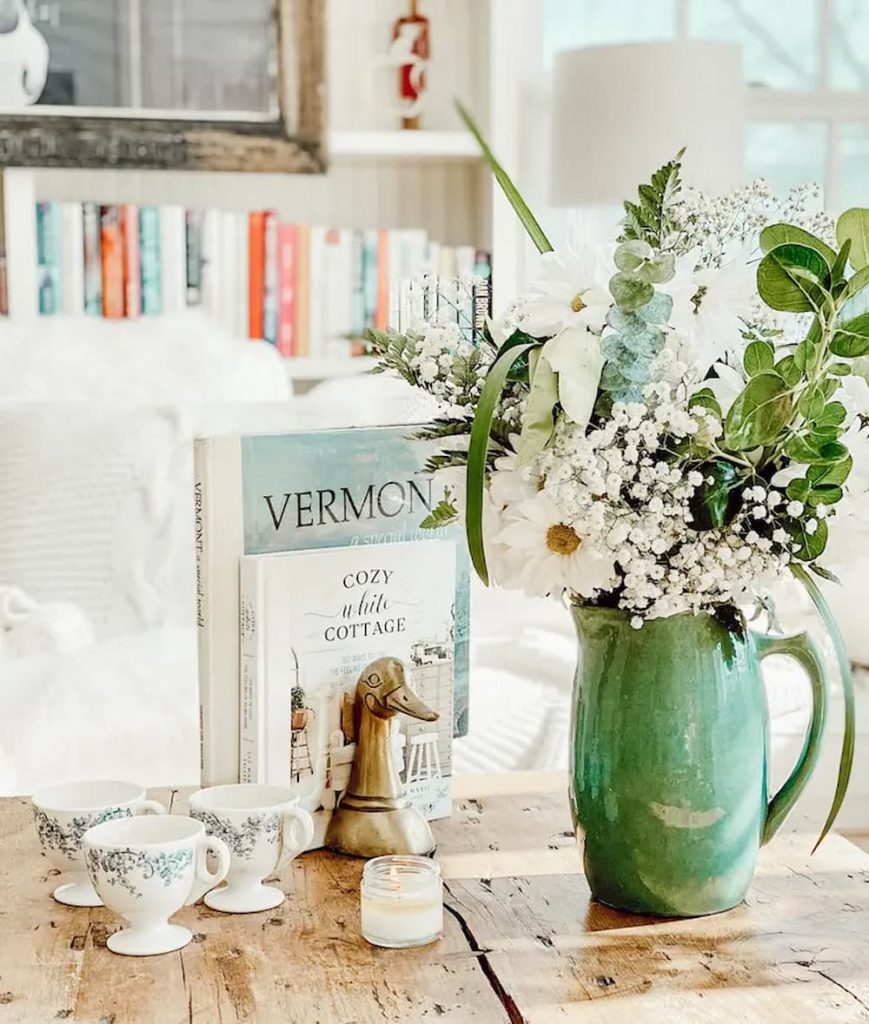
Vintage pewter pitchers bring an old-world European charm to your home with their soft, matte finish and timeless appeal. They work beautifully in moody, historic-inspired spaces and can be styled on a mantel, dining table, or bookshelf for a collected, understated look. Whether empty or filled with greenery, pewter pitchers add a subtle, silvery warmth to any vintage display.
SHOP VINTAGE PEWTER PITCHERS
Gurgle Pitchers
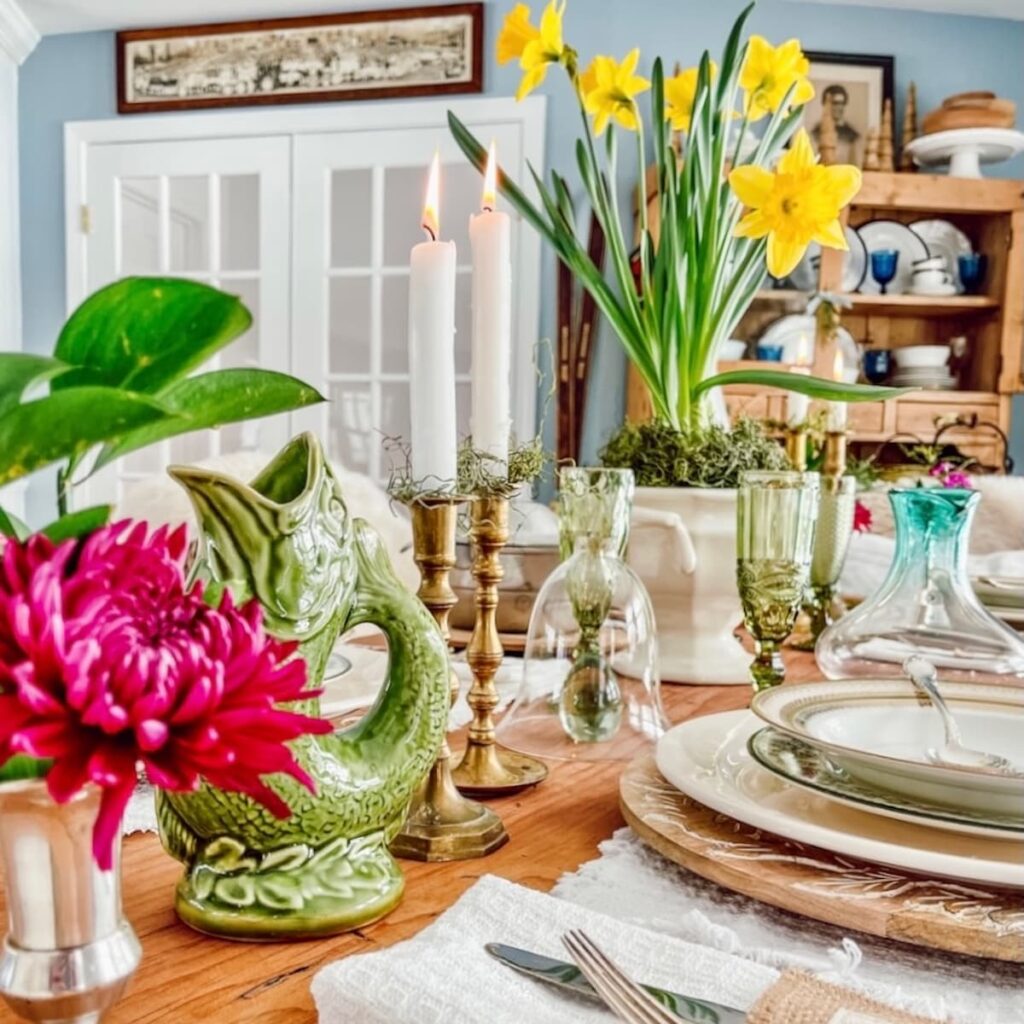
Whimsical and full of personality, vintage Gurgle Pitchers, also known as Gluggle Jugs, are shaped like fish and make a playful “gurgling” sound when poured. Originally produced by Dartmouth Pottery in England, these unique pitchers are beloved in coastal cottages and vintage-inspired homes. Their curvy, sculptural shape makes them a standout on open shelving, and their fun, unexpected charm brings character to any kitchen, dining room, or summer tablescape.
SHOP VINTAGE GURGLE PITCHERS
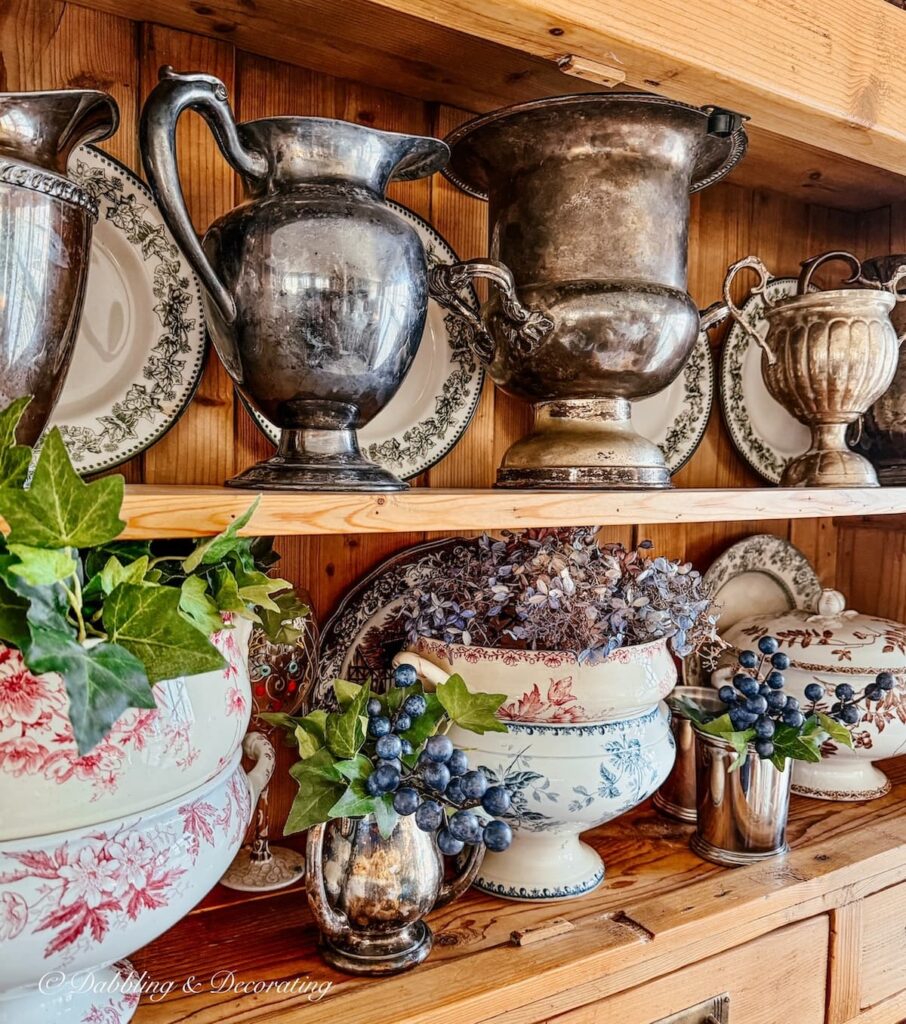
Silver Pitchers
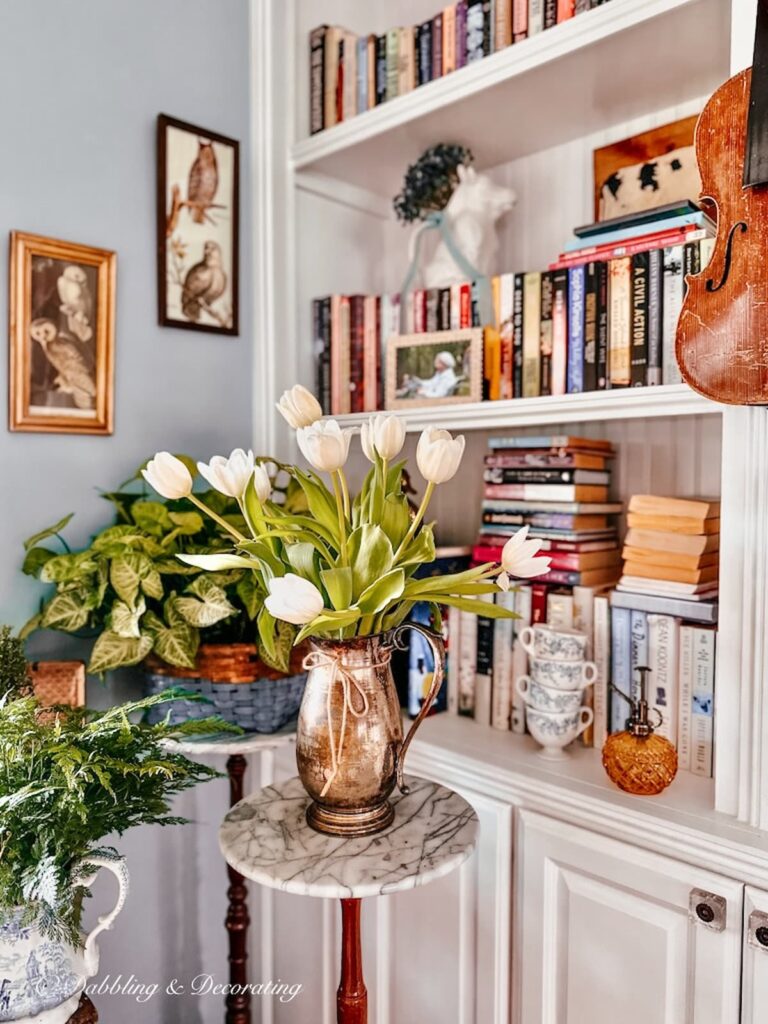
Vintage silver pitchers bring instant elegance to any vignette. Whether left with a natural patina for that timeworn charm or polished to a high shine, these heirloom-style pieces add sophistication to hutches, sideboards, or dining room displays. They also make stunning centerpiece vessels, especially when filled with fresh or seasonal florals.
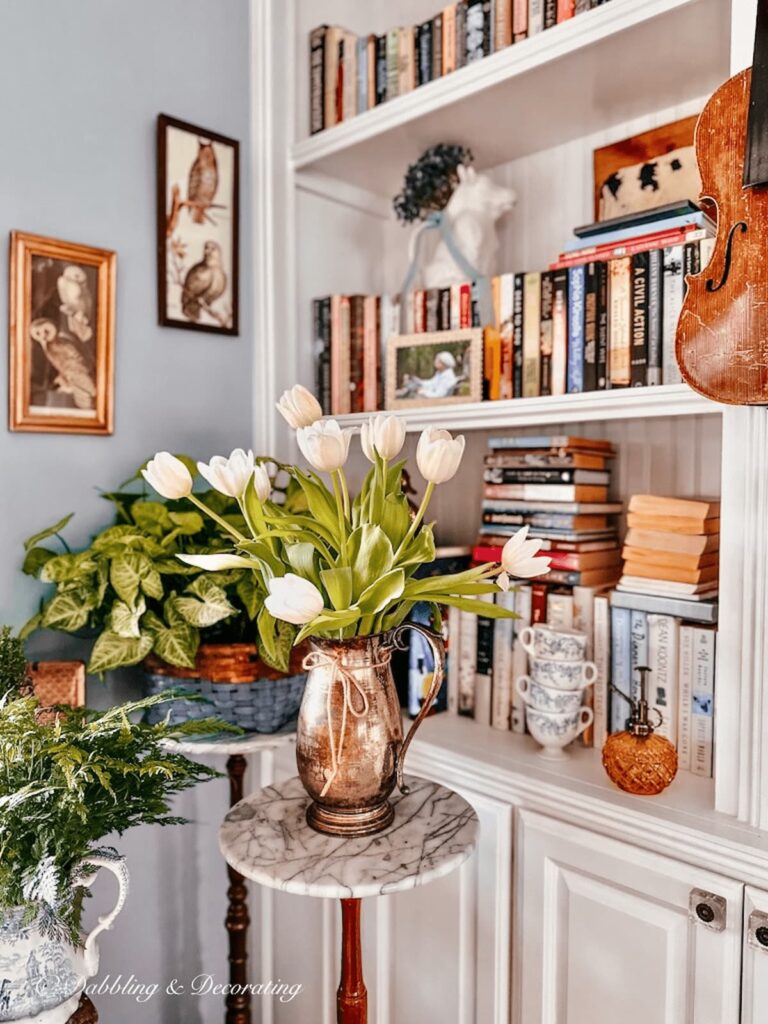
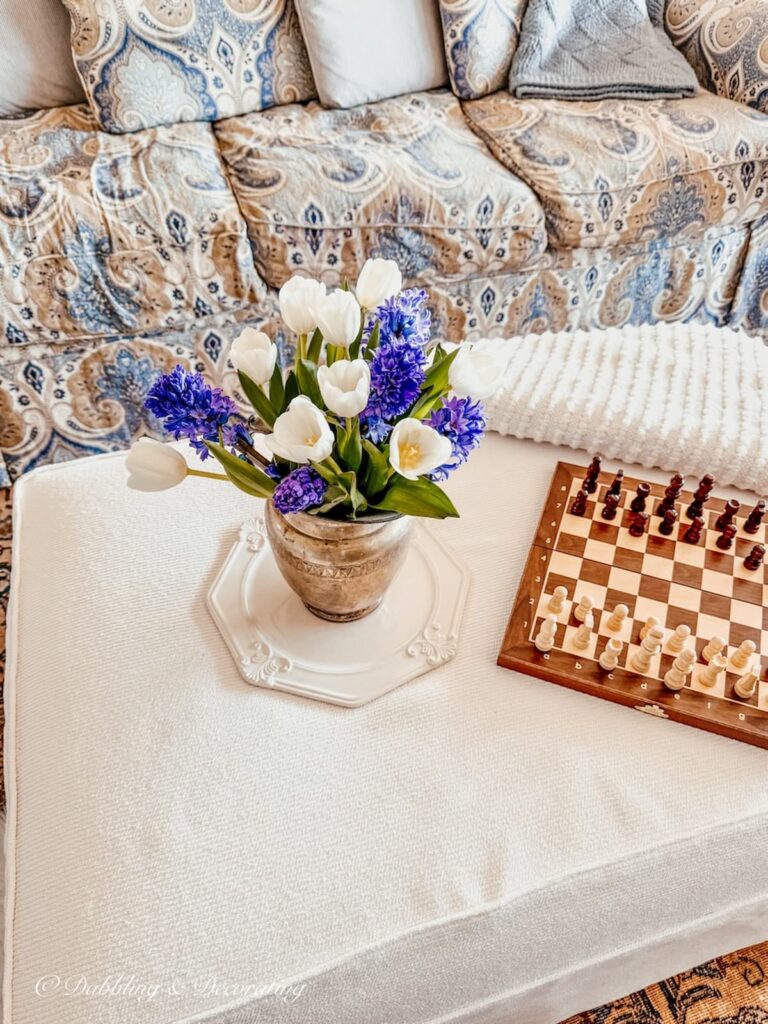
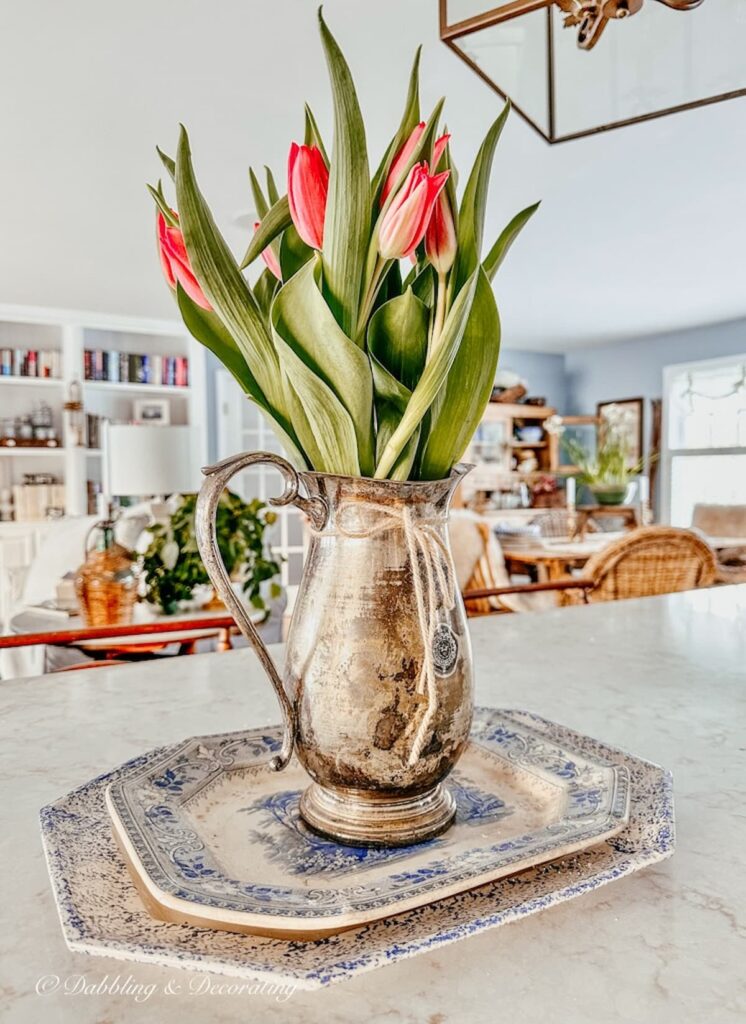
SHOP SILVER VINTAGE PITCHERS
Tin Pitchers
Vintage tin pitchers are lightweight, budget-friendly, and full of rustic charm. With their weathered surfaces and subtle imperfections, these humble pieces are perfect for casual seasonal displays, farmhouse shelves, or country cottage corners. They pair especially well with dried flowers, grasses, or simple greenery for an effortlessly collected look.
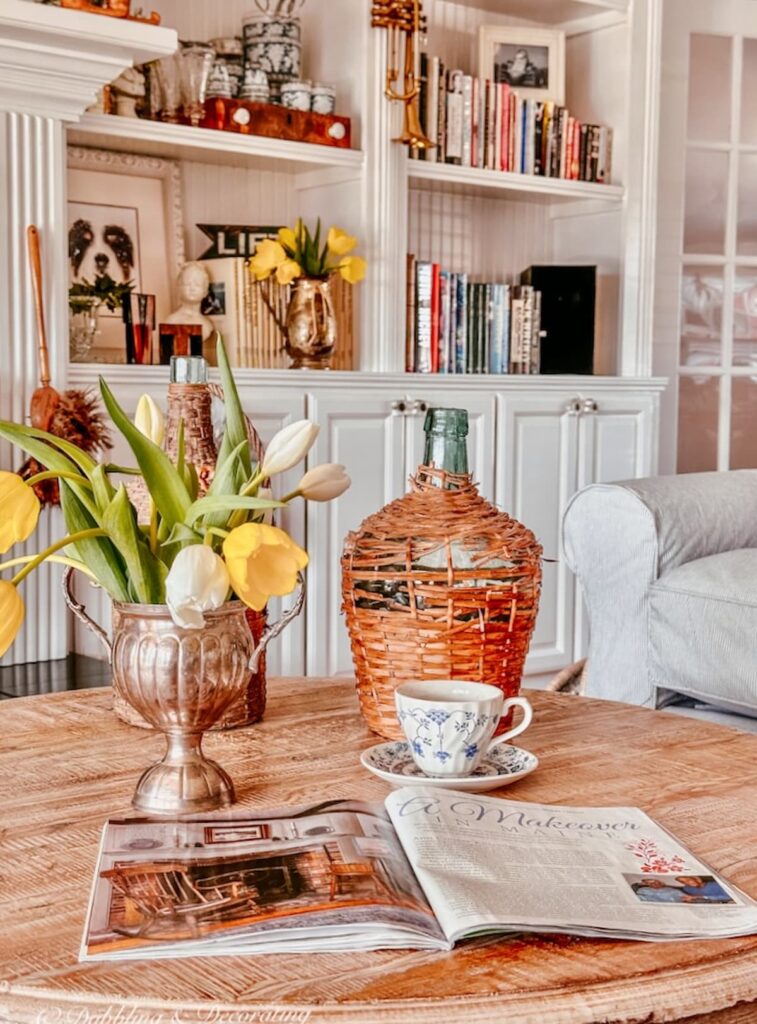
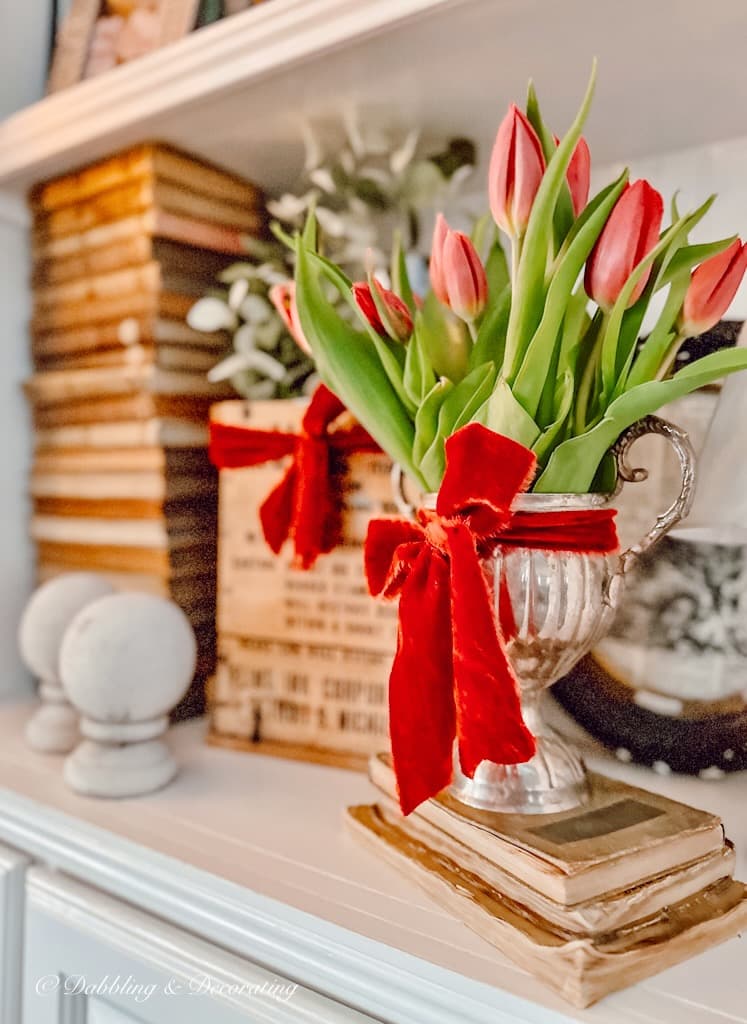
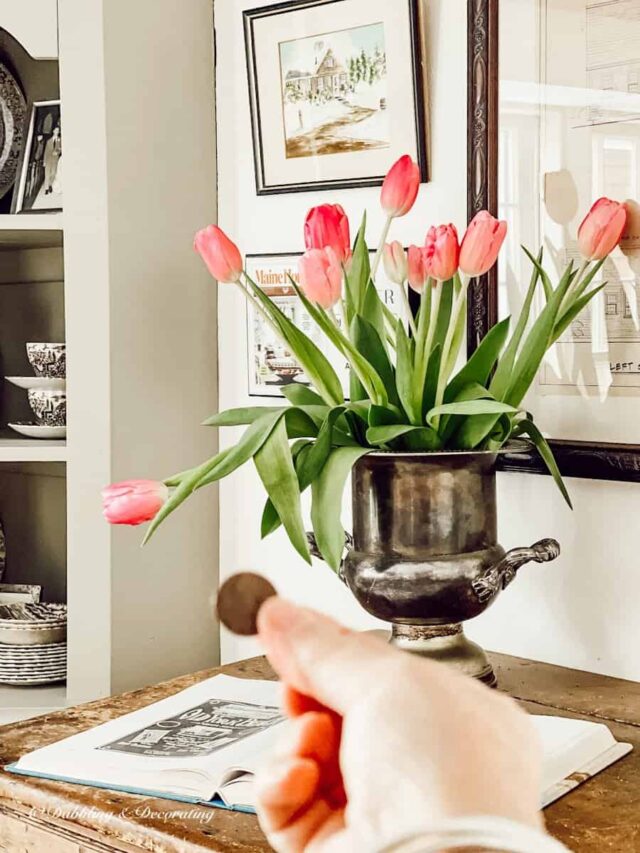
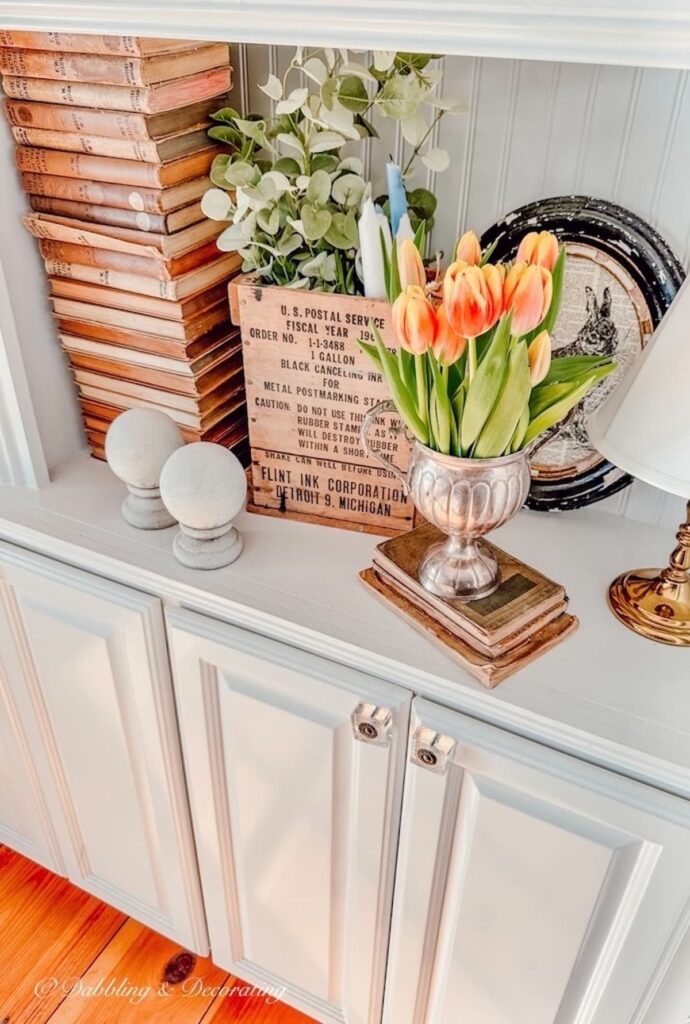
Alternatives to pitchers are champagne buckets and old trophies.
McCoy Pitchers
Vintage McCoy pitchers are known for their signature glazes, playful forms, and nostalgic charm. These colorful ceramic pieces bring a cheerful touch of Americana into your home and are highly collectible for their distinctive style. Whether displayed on their own or as part of a vibrant open-shelf arrangement, McCoy pitchers make a bold and joyful statement in any vintage-inspired space.
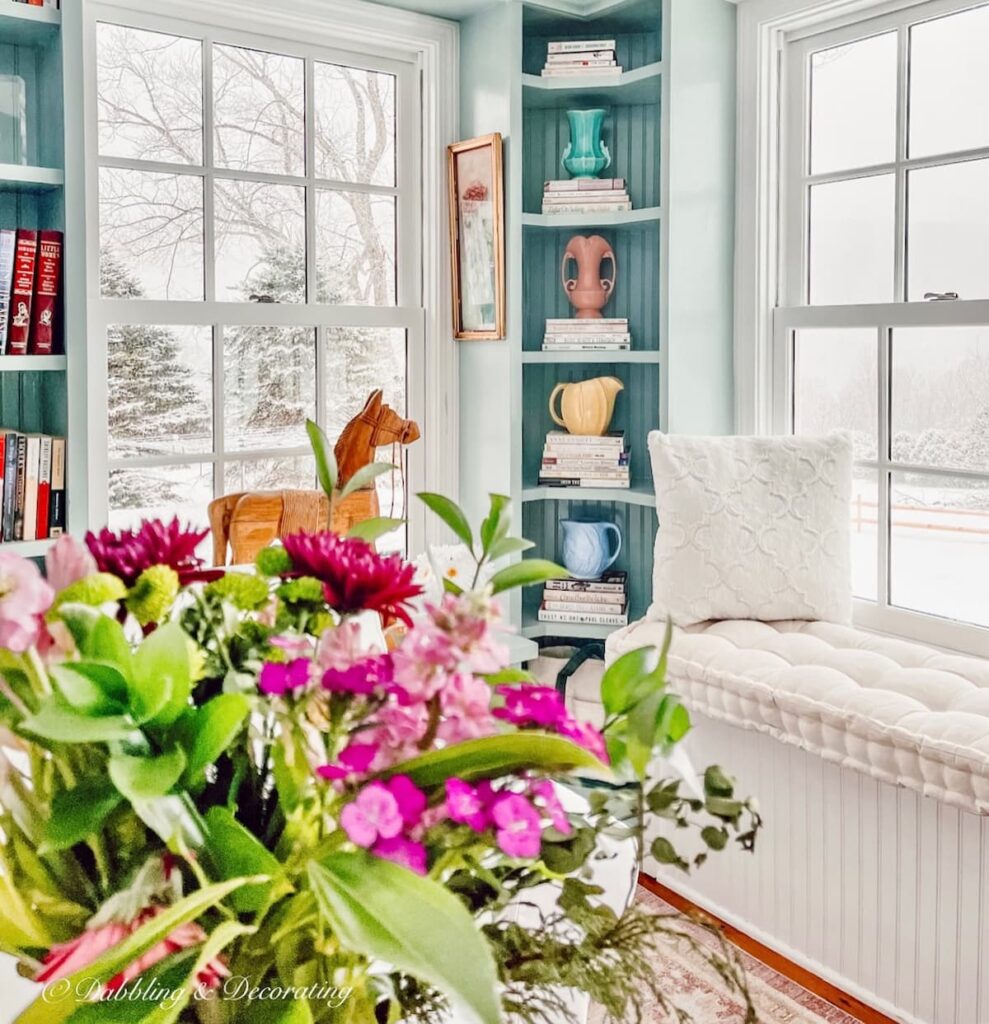
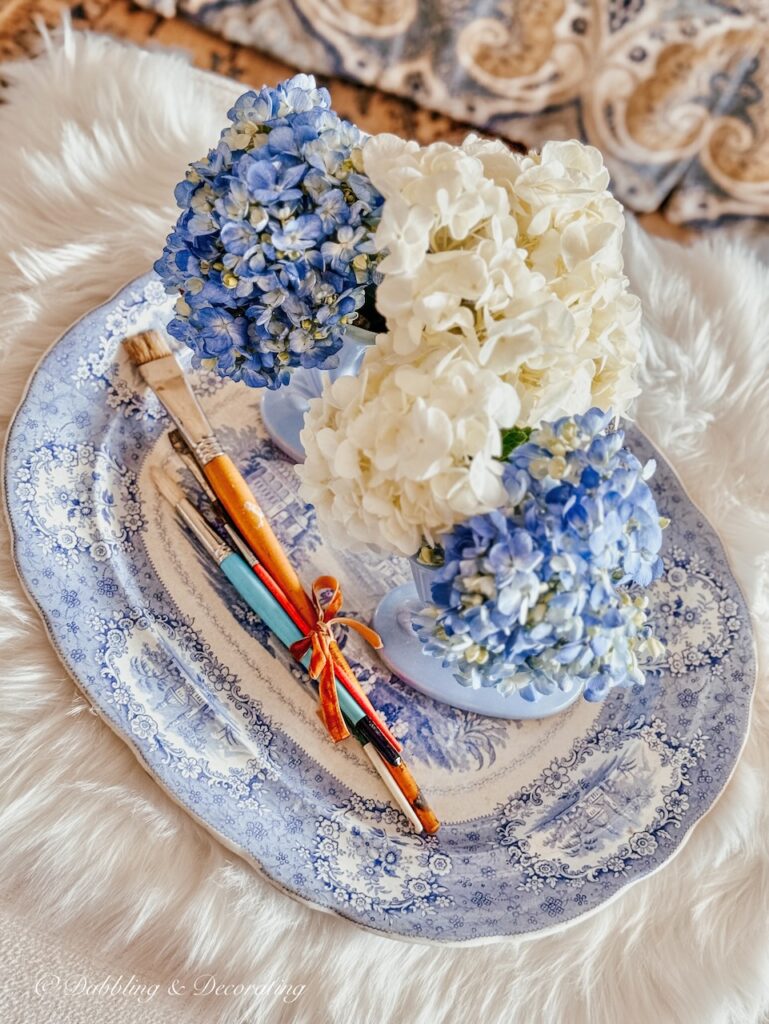
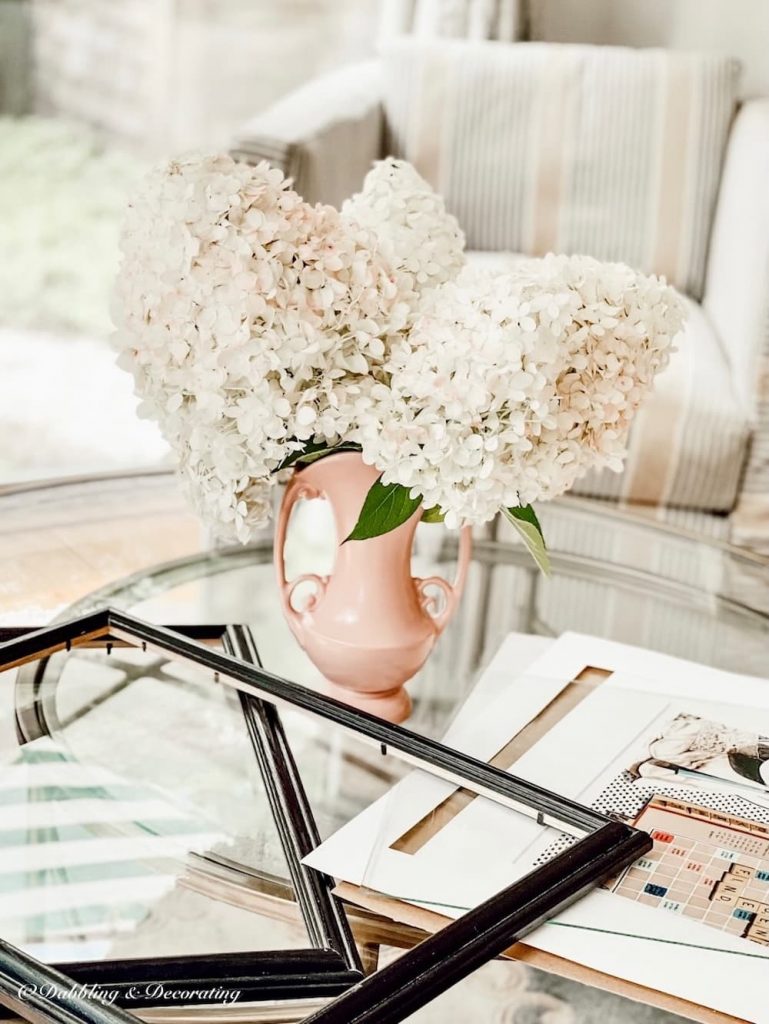
SHOP VINTAGE MCCOY PITCHERS
Ceramic Pitchers
Vintage ceramic pitchers are some of the most versatile pieces to collect, with endless variations in color, shape, and glaze. Whether you’re drawn to bold hues or subtle neutrals, these pitchers add personality and charm to any space. Style them in kitchens, on coffee tables, or in bedroom nooks to bring a colorful, collected look to your home decor.
Ironstone Pitchers
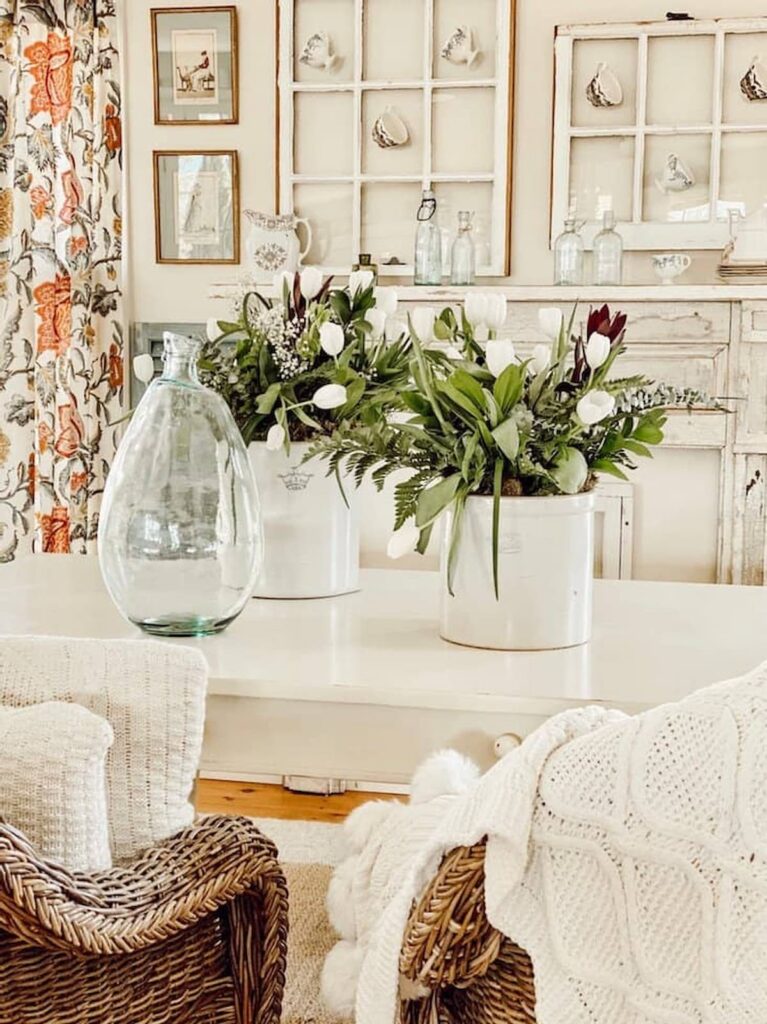
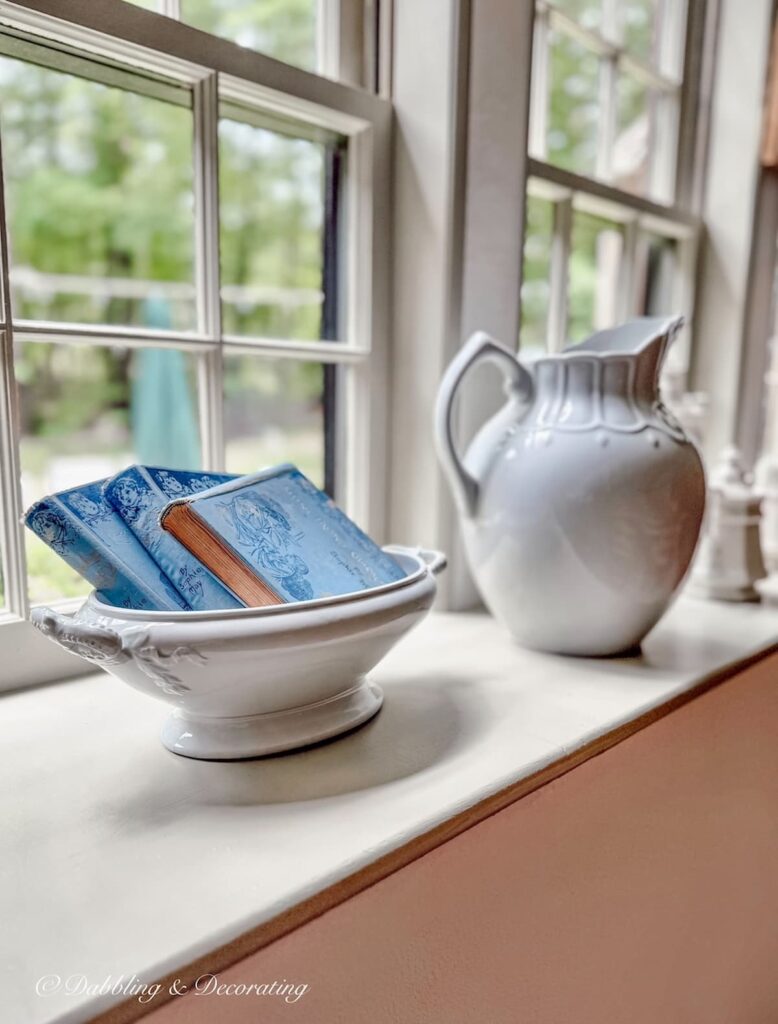
A staple in many vintage collections, white ironstone pitchers are timeless, simple, and endlessly adaptable. Their clean lines and soft sheen make them perfect for white-on-white displays or layered with other neutrals for a subtle, elegant look. Whether styled on a shelf, sideboard, or bedroom dresser, ironstone pitchers pair beautifully with both farmhouse and cottagecore decor.
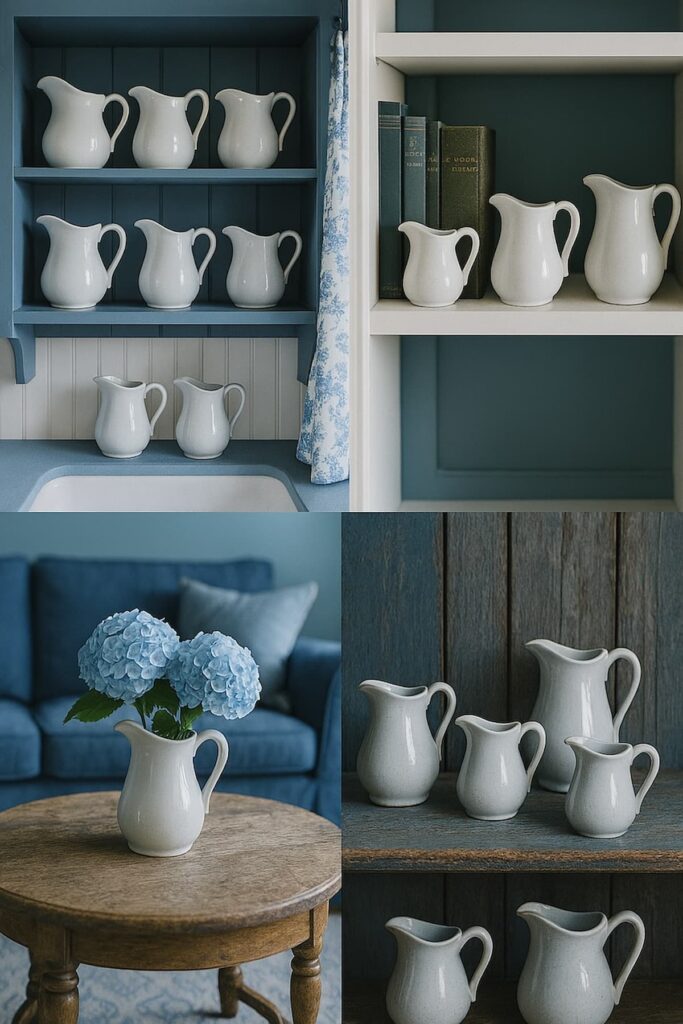
SHOP VINTAGE IRONSTONE PITCHERS
Holland Mold Pitchers
Holland Mold pitchers may be lesser known, but they’re full of vintage charm and character. With hand-painted details, playful shapes, and a touch of whimsy, these ceramic pitchers are a fun addition to any vintage pitcher collection. They look especially sweet styled on a kitchen shelf, cottage cupboard, or even mixed into seasonal vignettes for a pop of color and personality.
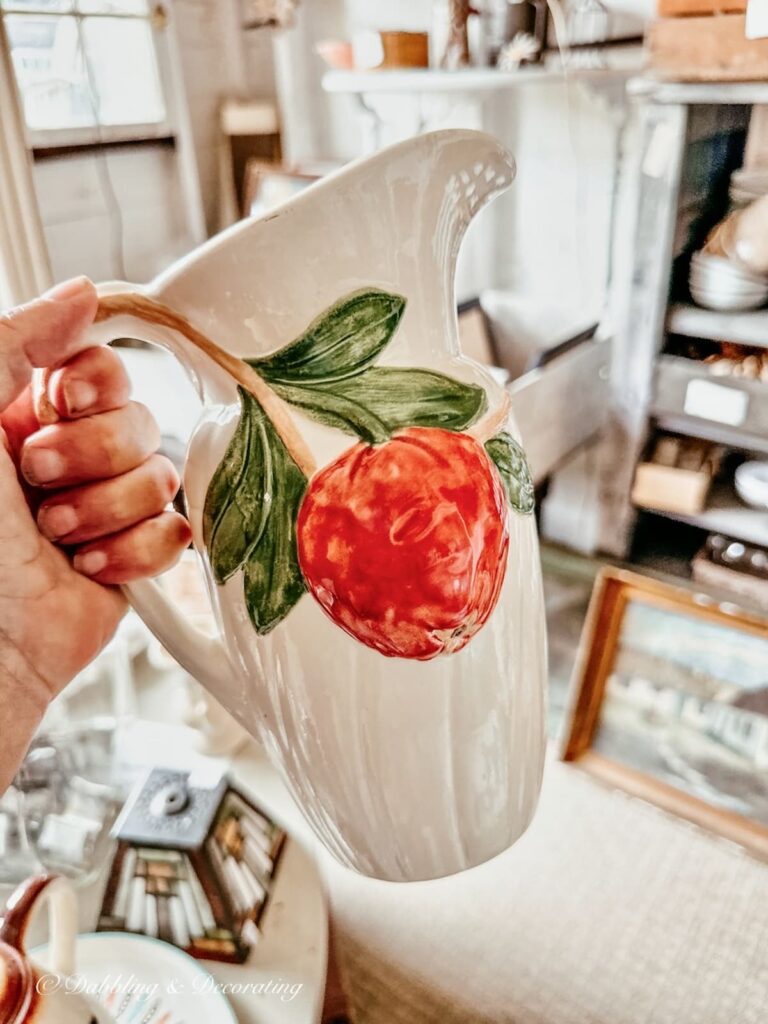
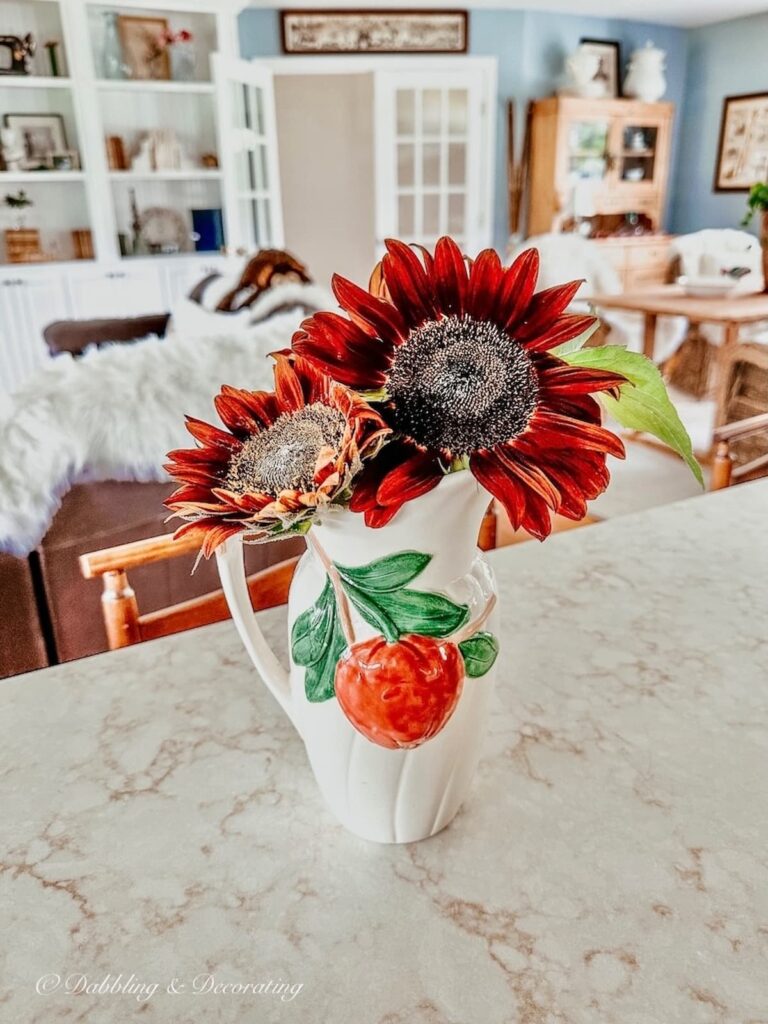
SHOP HOLLAND MOLD PITCHERS
Yellow Ware Vintage Pitchers
Yellow ware pitchers are beloved for their warm, buttery tones and traditional banded designs in blue or white. Popular from the 1800s through the early 20th century, these vintage kitchen staples bring a nostalgic farmhouse feel to any space. They look especially beautiful grouped on open shelves, styled in hutches, or used in rustic tabletop displays alongside crocks and stoneware.
SHOP VINTAGE YELLOWARE PITCHERS
Spongeware Pitchers
Vintage spongeware pitchers are instantly recognizable for their speckled blue-and-white patterns and nostalgic charm. These cozy, casual pieces are perfect for country kitchens, farmhouse shelves, or used as everyday water pitchers. Their friendly, homey feel makes them a favorite for collectors who love a relaxed and welcoming vintage look.
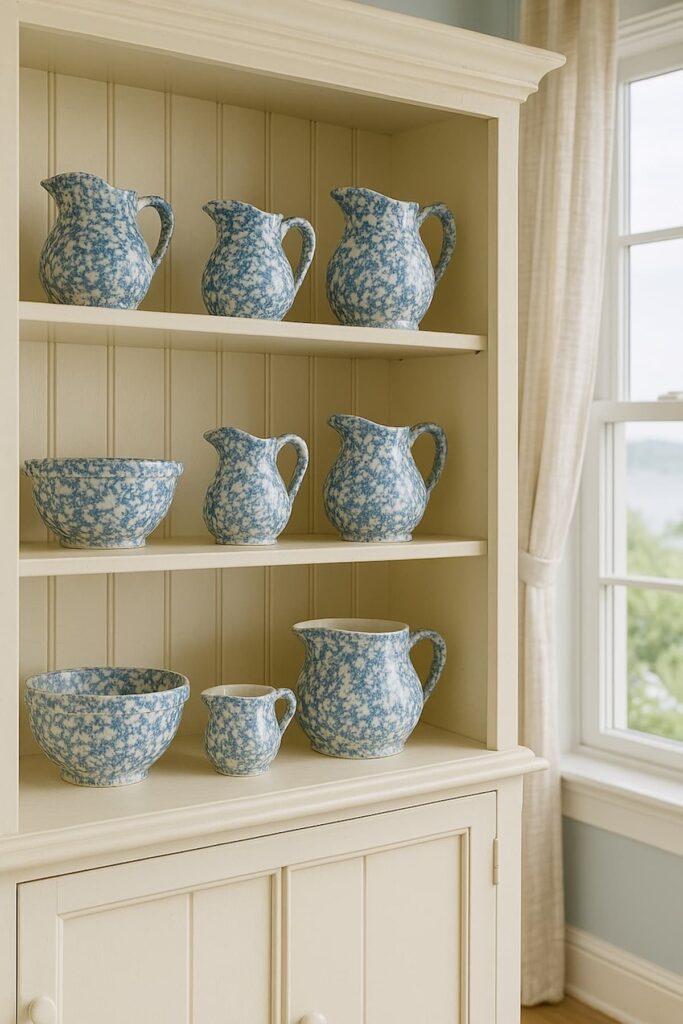
SHOP VINTAGE SPONGEWARE PITCHERS
Wash Pitchers and Basins
Once a daily essential before the days of indoor plumbing, vintage wash pitchers and basins, often called wash sets, now make beautiful decorative pieces with old-world charm. Typically crafted from ironstone or porcelain, these graceful pitcher-and-bowl sets are perfect for adding a nostalgic touch to bathrooms, guest rooms, or styled atop antique dressers. Their elegant curves and historic presence make them a standout in any vintage-inspired home.
SHOP VINTAGE WASH BASIN AND PITCHERS
Dutch Boy Pitchers
Rare and whimsical, vintage Dutch Boy pitchers are prized for their bright glazes and figurative charm. Often shaped like classic characters or featuring playful molded details, these collectible pieces add a touch of nostalgia and personality to any display. They’re perfect for eclectic shelves, cottage-style hutches, or as a fun conversation starter in your vintage kitchen.
SHOP VINTAGE DUTCH BOY PITCHERS
Copper Pitchers
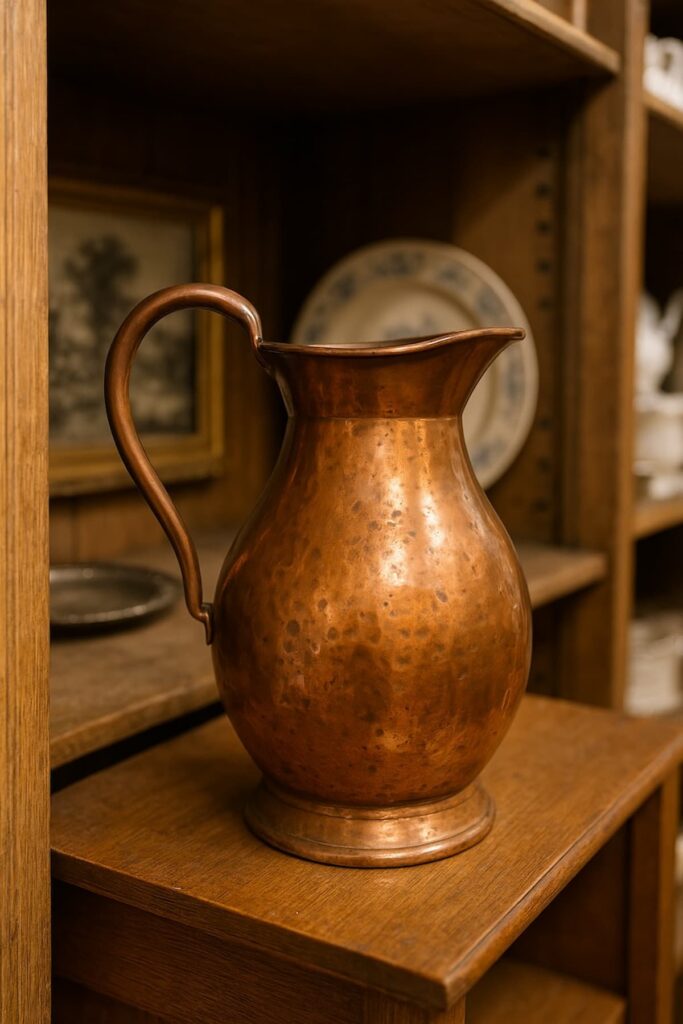
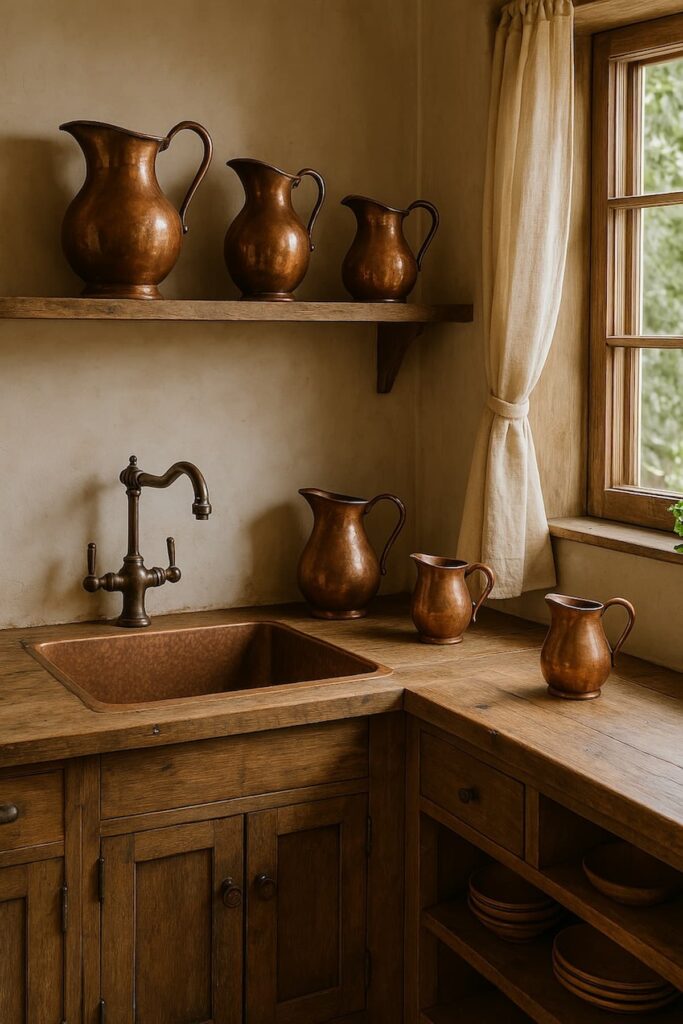
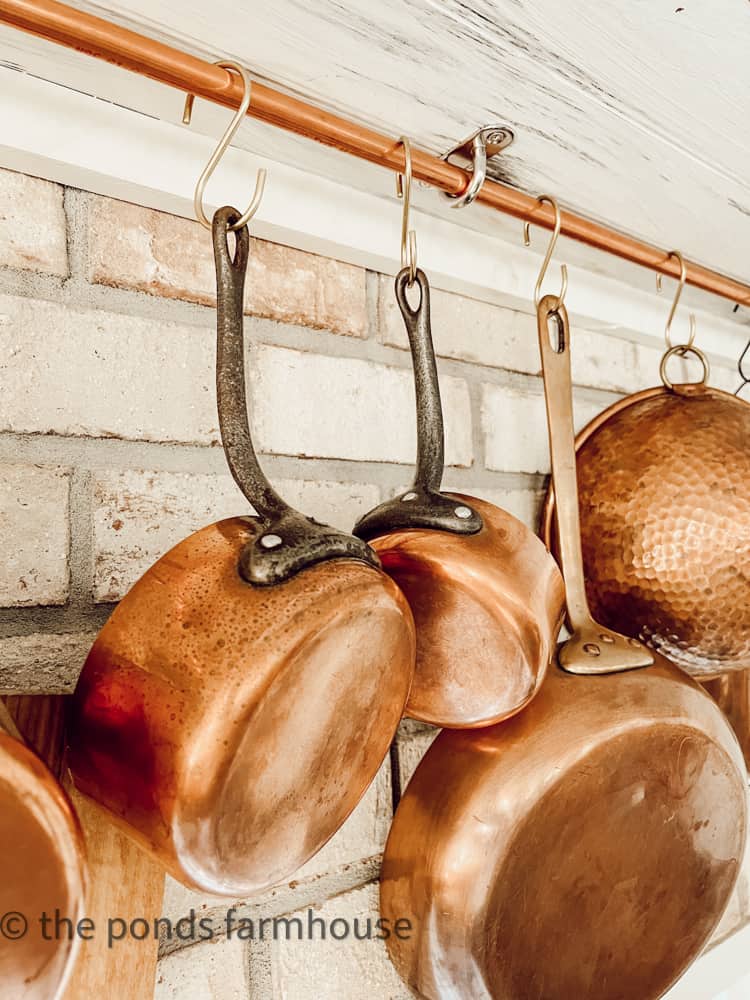
Vintage copper pitchers may be harder to find, but their warm tones and rich, reflective finish make them a stunning addition to any collection. Whether styled on a kitchen shelf, used in an autumnal vignette, or paired with seasonal florals, copper pitchers bring depth, texture, and a cozy glow to your vintage decor. Even just one can make a striking statement.
SHOP VINTAGE COPPER PITCHERS
Cornishware Pitchers
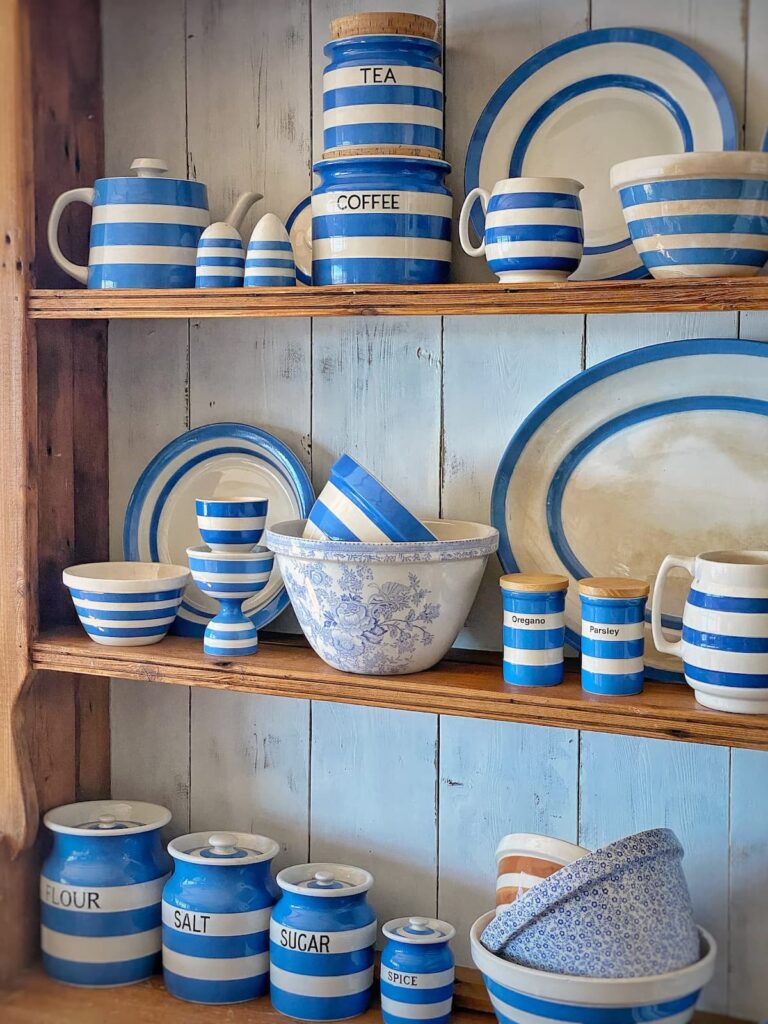
With their iconic blue and white stripes, vintage Cornishware pitchers are instantly recognizable and beloved by collectors around the world. Originally made in England in the 1920s, these cheerful pieces bring a bright, coastal cottage charm to kitchen shelves, hutches, and tabletop displays. Their playful yet classic look makes them a standout in any vintage collection.
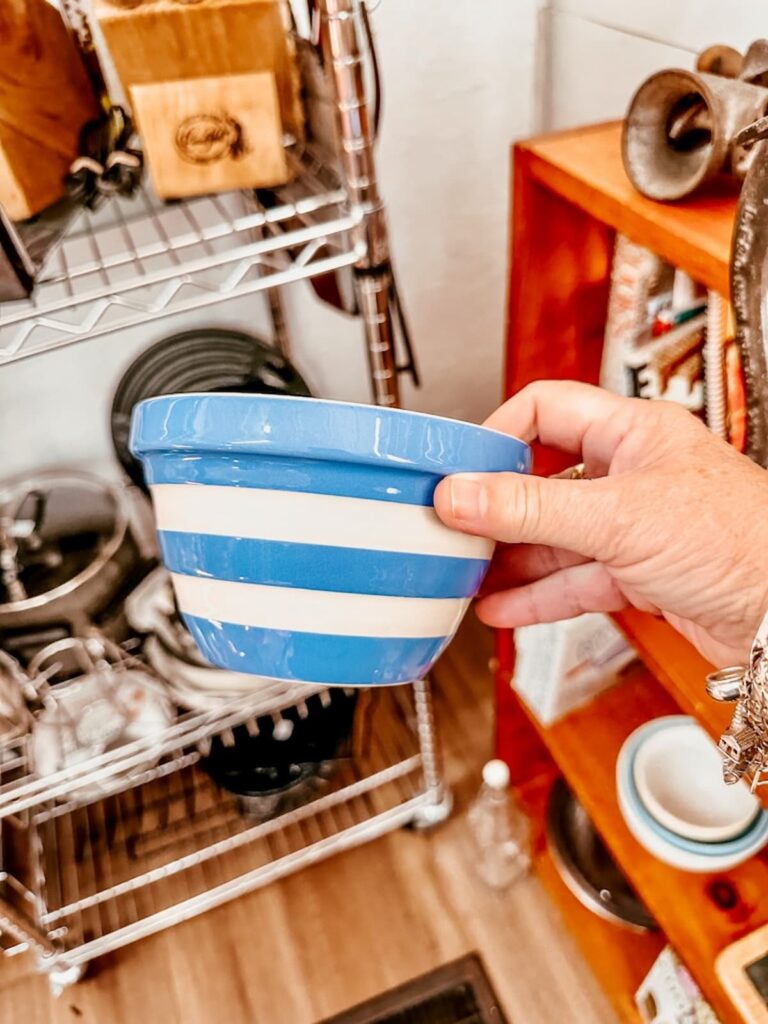
Explore my friend Molly in Maine’s beautiful Cornishware Hutch Collection, and check out the adorable bowl I recently thrifted to add to her display!
SHOP VINTAGE CORNISHWARE PITCHERS
Vintage Lemonade Pitcher Sets
Bright, cheerful, and full of retro personality, vintage lemonade pitcher sets often feature bold colors, floral patterns, or whimsical summer motifs. Popular from the 1940s through the 1970s, these sets typically include a large decorative pitcher with matching glasses, perfect for styling porches, breakfast tables, or outdoor summer gatherings. Whether ceramic, glass, or hand-painted, a vintage lemonade pitcher adds a playful and inviting touch to any vintage-inspired space.
SHOP VINTAGE LEMONADE SETS
Where to Find Vintage Pitchers
Whether you’re hunting for a classic transferware pitcher, a charming piece of Cornishware, or a rare McCoy gem, there are so many wonderful places to find vintage and antique pitchers to grow your collection.
One of the best ways to discover hidden treasures is by browsing local thrift stores, flea markets, and antique shops—you never know what unique pitcher might be tucked on a bottom shelf or nestled in a dusty corner.
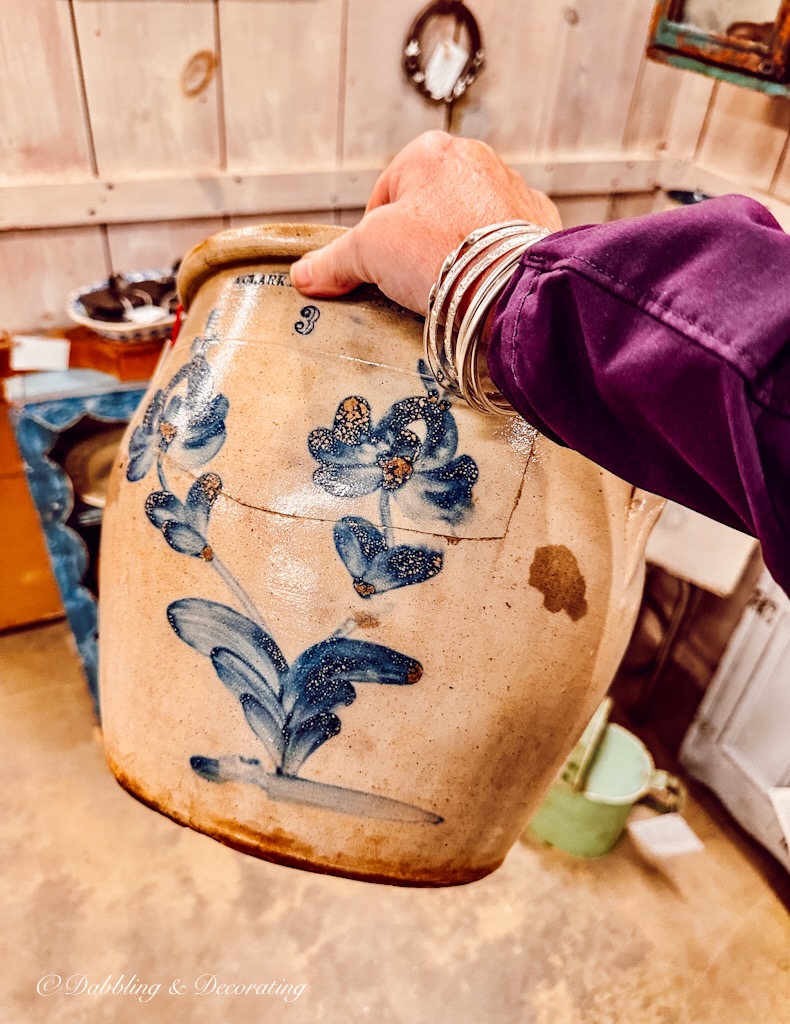
Estate and yard sales can also be gold mines for finding vintage pitchers at affordable prices, especially older stoneware or ironstone pieces passed down through generations. Be sure to keep an eye on Facebook Marketplace, Craigslist, and other local online classifieds where people often list vintage home goods during moves or downsizing.
If you’re looking for something specific like blue spongeware, Holland Mold pitchers, or pewter pitchers, try searching on eBay, Etsy, or Ruby Lane—these online marketplaces are full of vintage vendors and collectors from around the world. Discover even more ways in this How to Shop For Vintage Decor Online post.
Shop for Antique and Vintage Pitchers
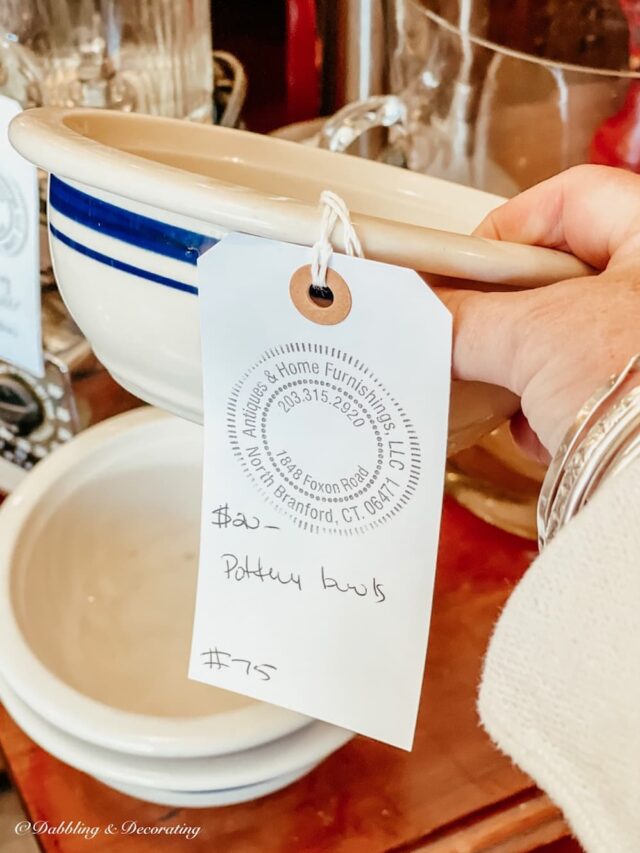
Don’t forget the fun of seasonal antique fairs and vintage markets, especially in places like New England or the South, where you’ll find booths brimming with copper, tin, and ceramic pitchers just waiting for a new home. The thrill of the hunt is half the fun, and it’s what makes collecting vintage pitchers so wonderfully addictive.
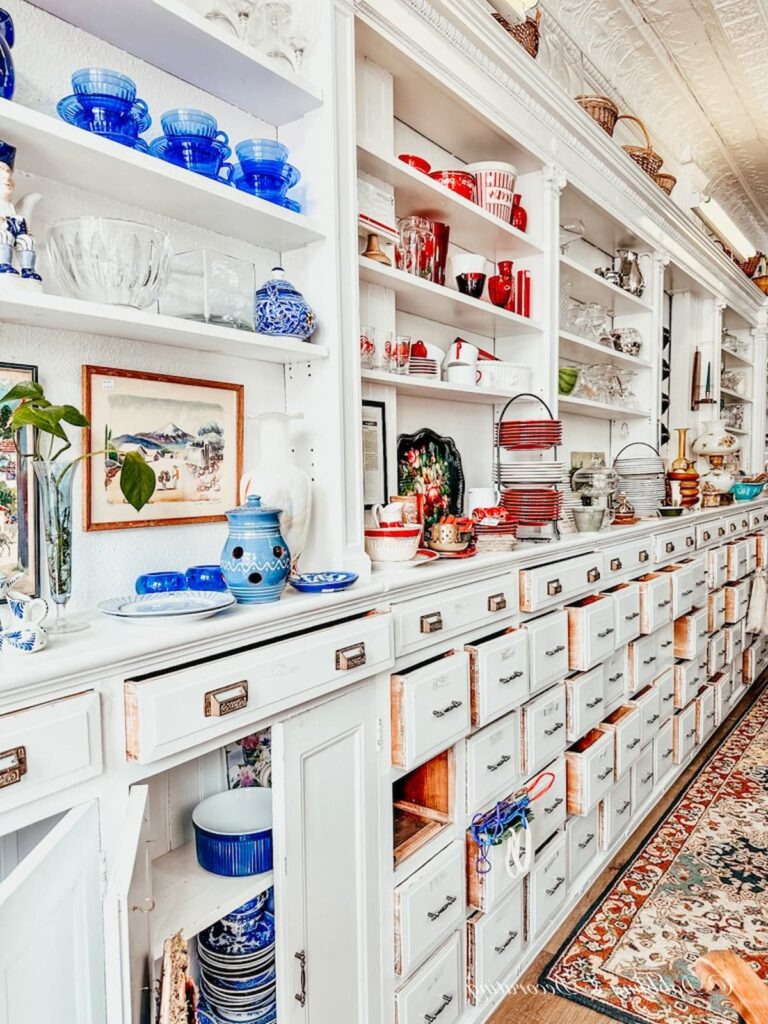
A Few of My Favorite Vintage Hunting Spots
If you’re local to New England or planning a road trip, here are a few of my favorite places to treasure hunt for vintage pitchers and other beautiful finds:
• Vintage Market Days – Vermont: A must-visit vintage market full of charming booths and unique collectibles.
• Stonehouse Antique Center – Chester, Vermont: A multi-dealer antique center with something for every vintage lover.
• The Fabulous Find – Kittery, Maine: A thrift boutique supporting local charities and packed with secondhand treasures.
• Sage Farm Antiques – Hampton, New Hampshire: A curated three-day show held monthly with seasonal and themed pop-ups.
Keep your eyes peeled, you never know when the perfect pitcher will find you!
How to Decorate with Vintage Pitchers
Vintage pitchers are some of the most versatile and charming decor pieces you can collect. They effortlessly blend into a variety of decorating styles, bringing warmth, texture, and a sense of history to your home. Whether you’re styling a cozy cottage hutch, a rustic farmhouse table, or even a clean-lined modern shelf, vintage pitchers add that perfectly imperfect, collected feel.
Their gentle curves and unique patinas make them ideal for holding fresh flowers, kitchen utensils, or simply standing alone as sculptural statement pieces. In the sections below, I’ll show you how to decorate with vintage and antique pitchers across multiple styles, from coastal cottage to alpine Nordic, so you can find inspiration that reflects your own home’s character.
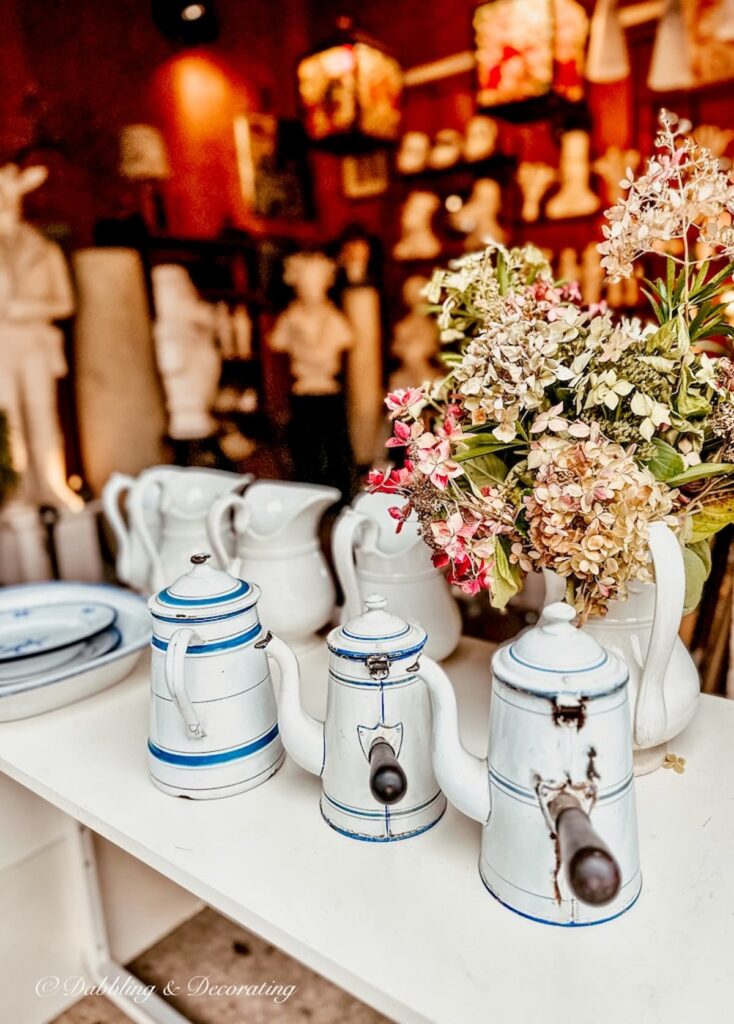
Cottage Style Decorating with Vintage Pitchers
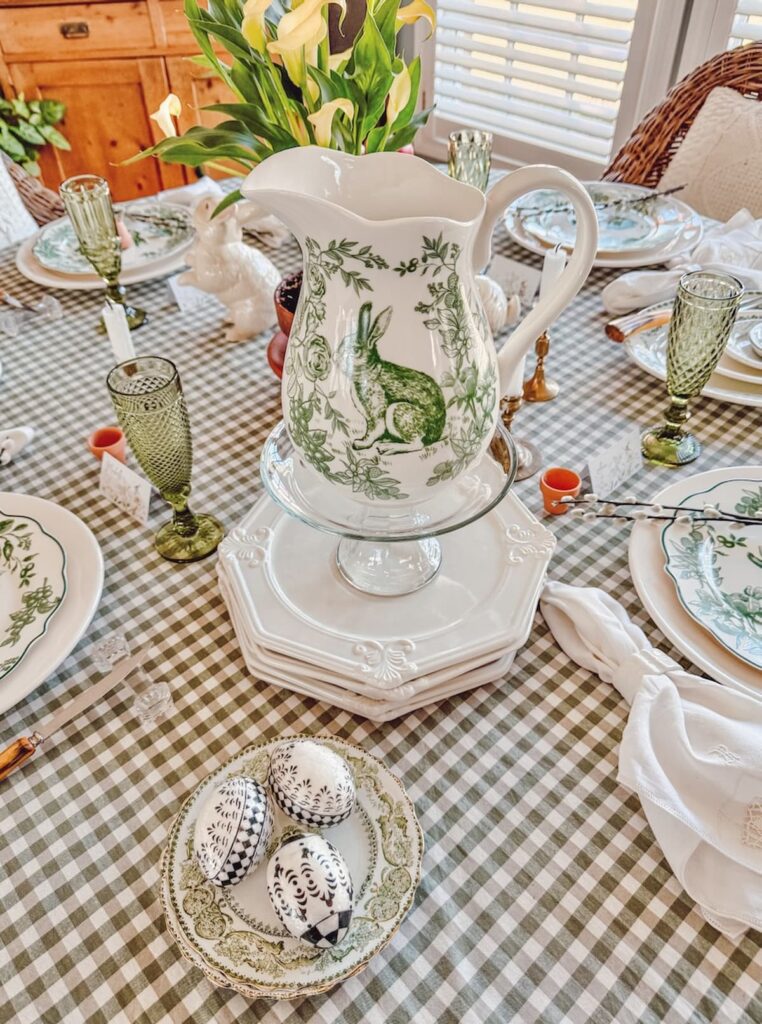
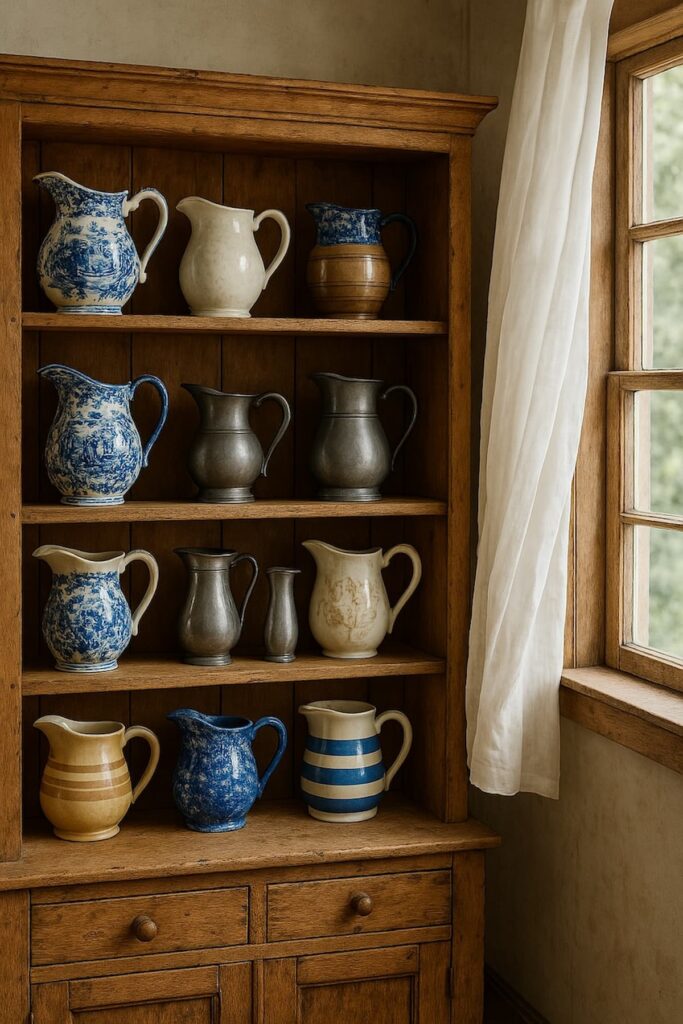
In a cottage-style home, vintage pitchers shine when layered with warmth and charm. Think open shelving filled with ironstone, transferware, or spongeware, each piece contributing to a collected, cozy atmosphere. Use pitchers as casual vases for garden flowers, or cluster them with stacked plates, vintage linens, and other soft-toned accessories. Mismatched styles and subtle imperfections only enhance the lived-in, welcoming feel that cottage style is known for.
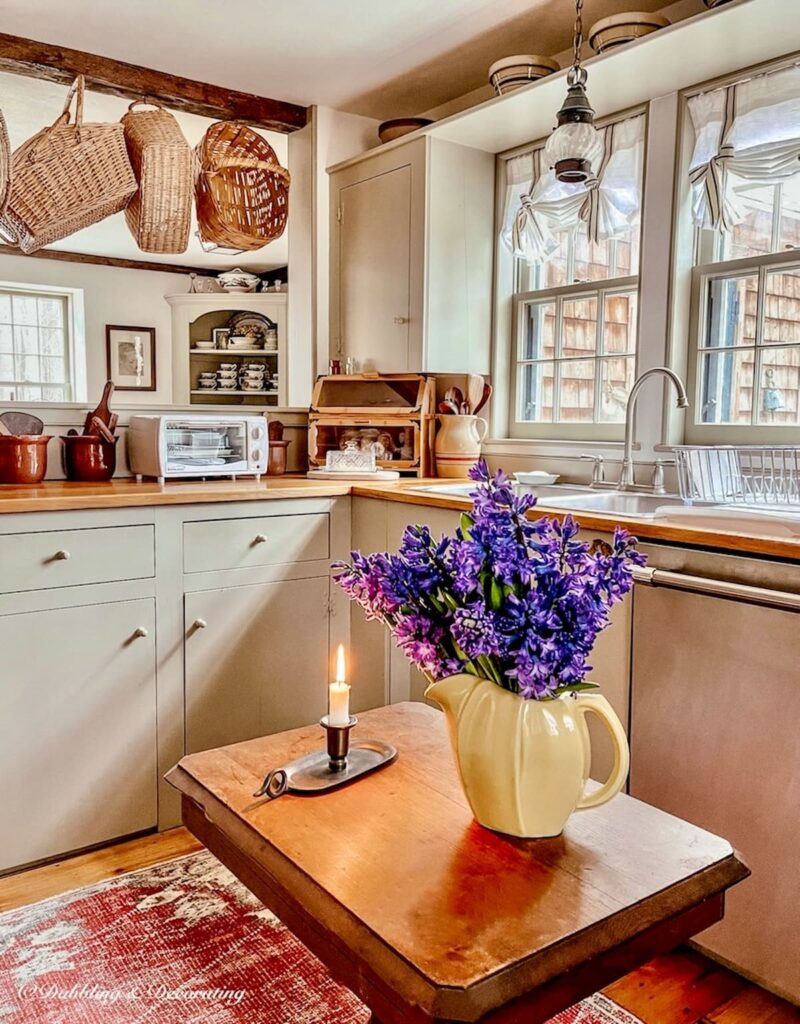
Farmhouse Style Vintage Pitcher Ideas
Farmhouse style blends simplicity with warmth, making vintage pitchers, especially stoneware, tin, and McCoy, an ideal match. Style a large stoneware pitcher on a kitchen island filled with seasonal branches, or line a rustic wooden shelf with a mix of antique pitchers for that authentic, collected-over-time look. Slight chips, faded glazes, and timeworn textures only add to the charm that farmhouse decor is known for.
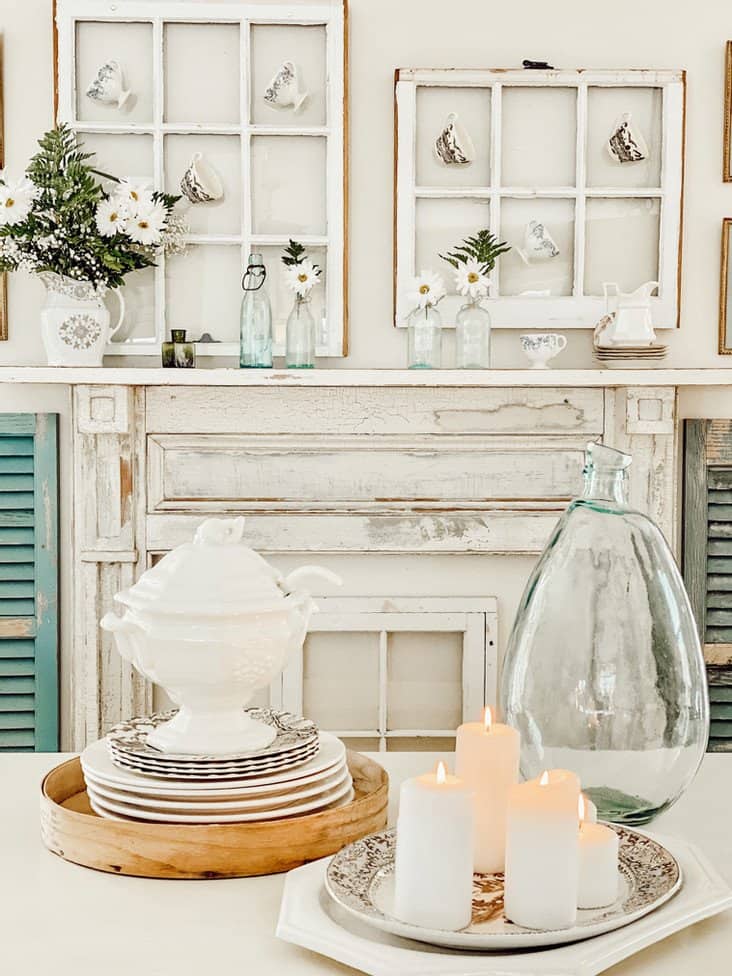
Coastal Style Pitchers with a Vintage Touch
Vintage pitchers in soft coastal tones, like blue and white spongeware or Cornishware, are perfect for creating a relaxed seaside feel. Style them on a whitewashed shelf, bathroom vanity, or breezy summer porch to add charm and character. Fill your vintage coastal pitchers with seashells, seagrass, or fresh hydrangeas to play up the nautical vibe and create a casually curated look that feels both vintage and coastal.
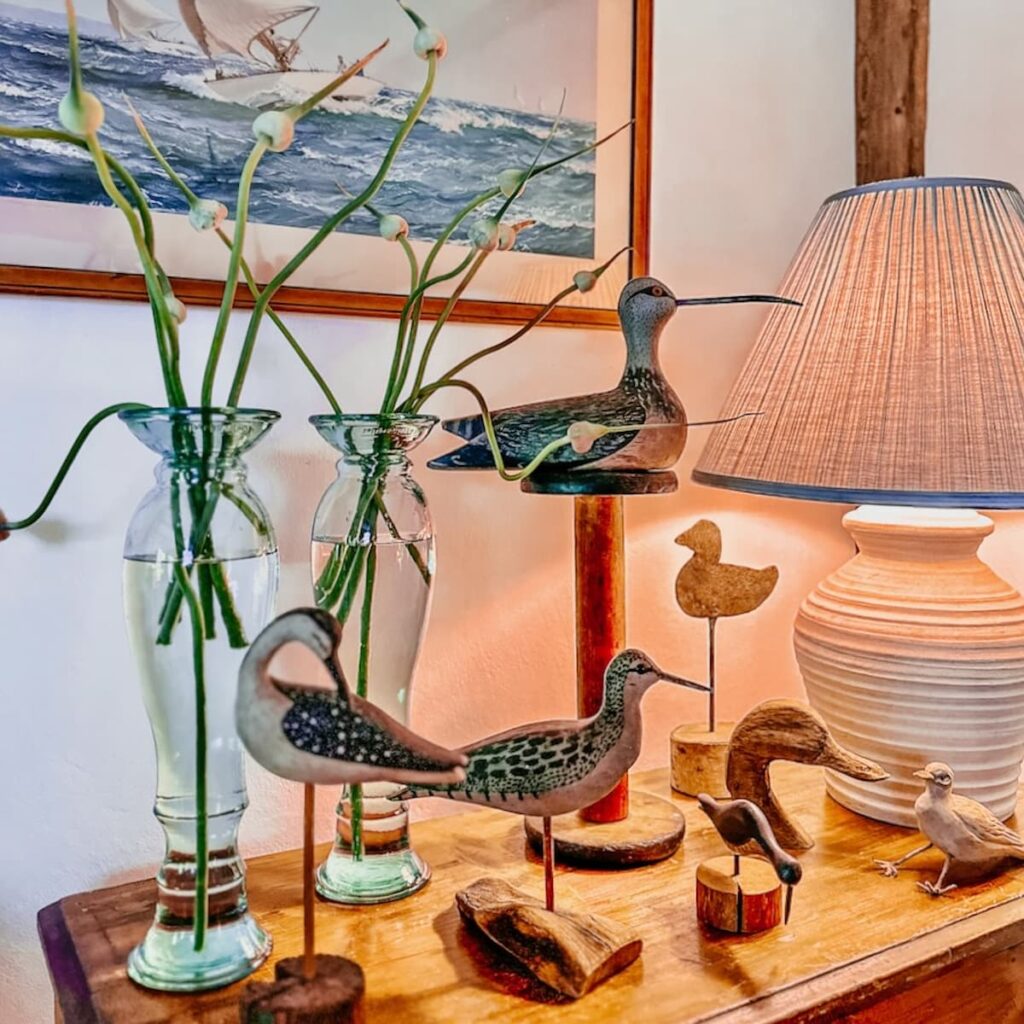
Modern Decorating with Vintage Pitchers
Yes, you can absolutely mix vintage with modern decor. In a sleek, minimalist space, a single vintage silver or pewter pitcher adds just the right touch of warmth and texture. Choose pitchers with clean lines, like ironstone or polished metal, to keep the look cohesive without overwhelming your modern aesthetic. Styled on a console table, floating shelf, or entryway vignette, vintage pitchers bring history and soul into even the most contemporary homes.
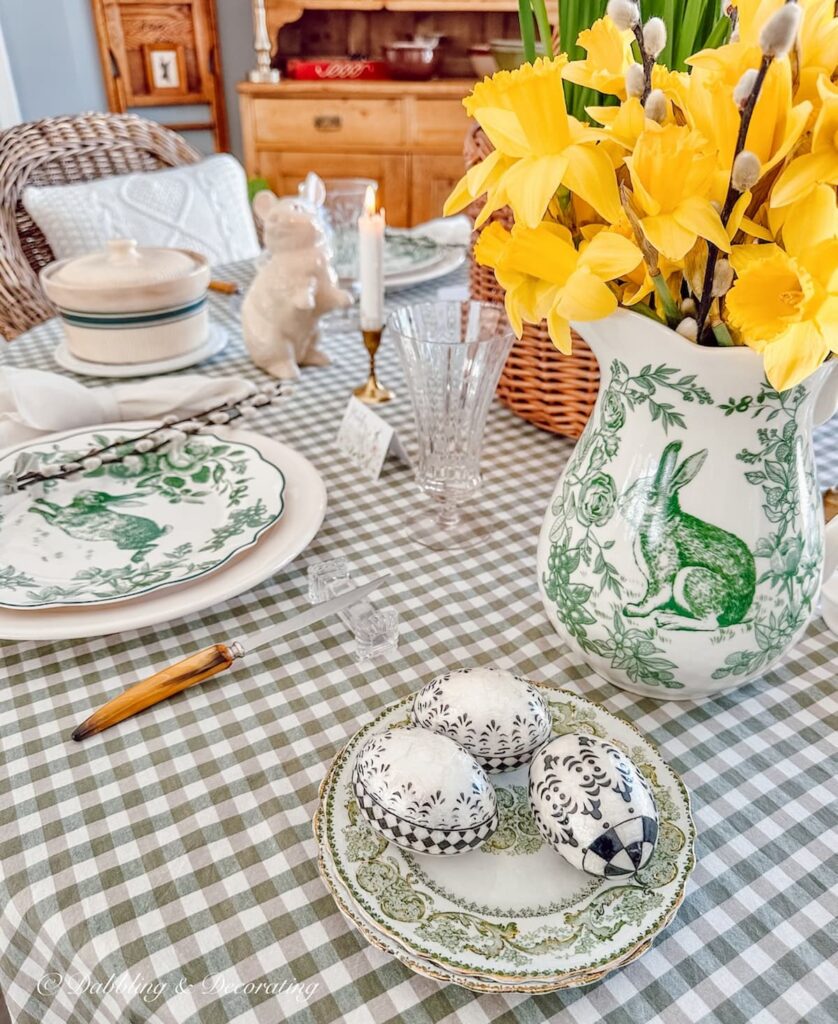
Eclectic Style with Vintage Pitcher Collections
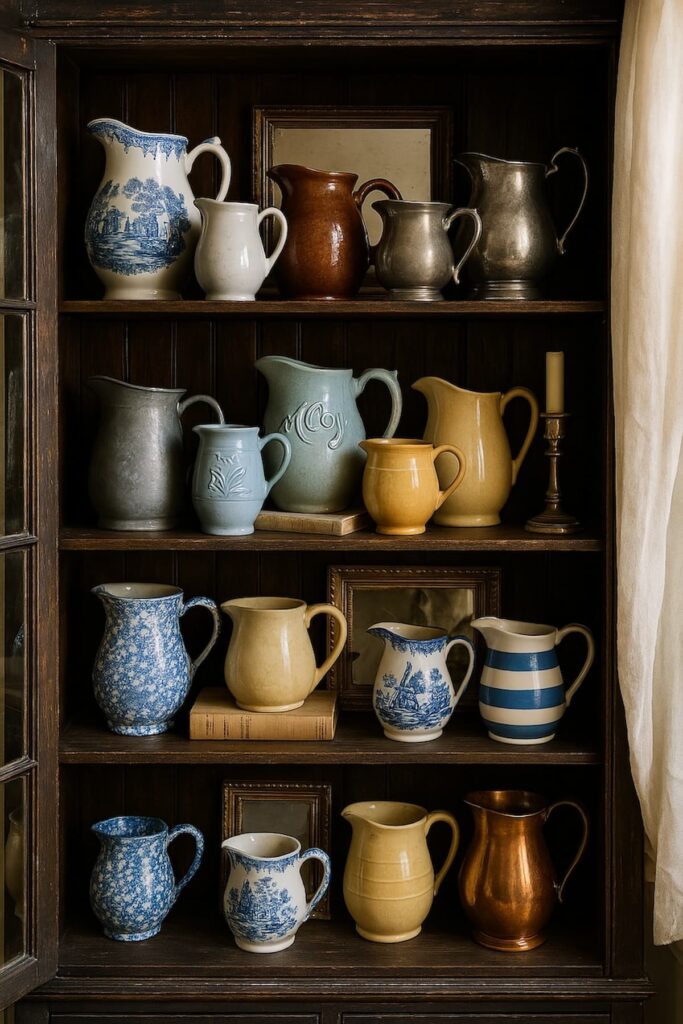
If your decorating style is a mix of colors, textures, and eras, vintage pitchers are a natural fit. Create an eye-catching display by grouping pitchers made of ceramic, copper, transferware, and more on a dining hutch, layered tray, or open bookshelf. Eclectic decor thrives on personality and charm, so don’t be afraid to mix bold shapes and unexpected combinations. With a vintage pitcher collection, every piece adds its own story to the room.
Alpine or Nordic-Inspired Vintage Pitcher Decor
Channel the cozy simplicity of Nordic and Alpine decorating styles by incorporating vintage pitchers in soft, neutral tones. White ironstone, pewter, and minimalist ceramic pitchers work beautifully with natural wood, wool textiles, and clean lines. Try styling a vintage pitcher in a mountain-inspired entryway with dried florals, or pair it with cutting boards and rustic bowls on a kitchen counter. These Scandinavian-inspired touches bring warmth and charm without overwhelming your space, perfect for winter decorating or year-round mountain cottage vibes. Our Scandinavian friends are pros at this decor style!
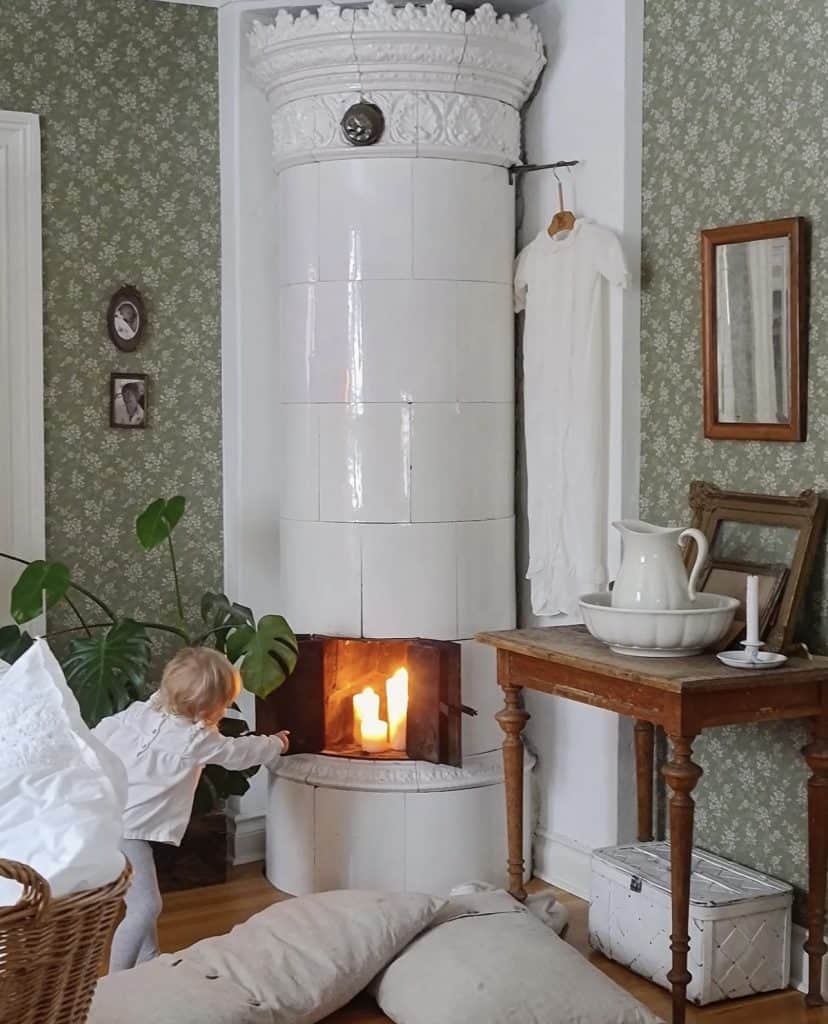
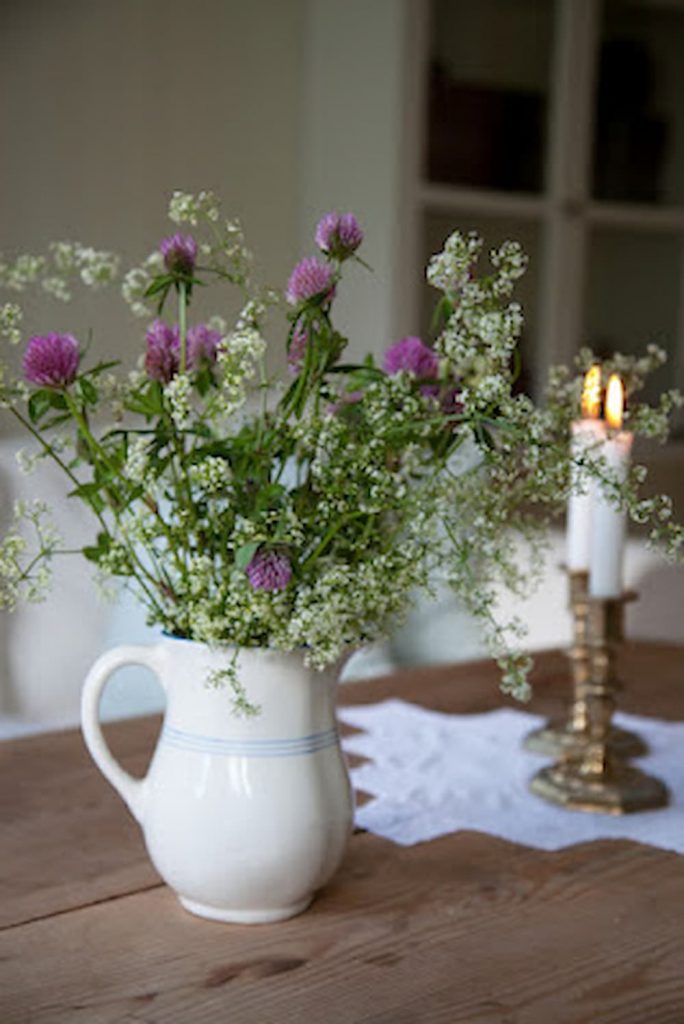
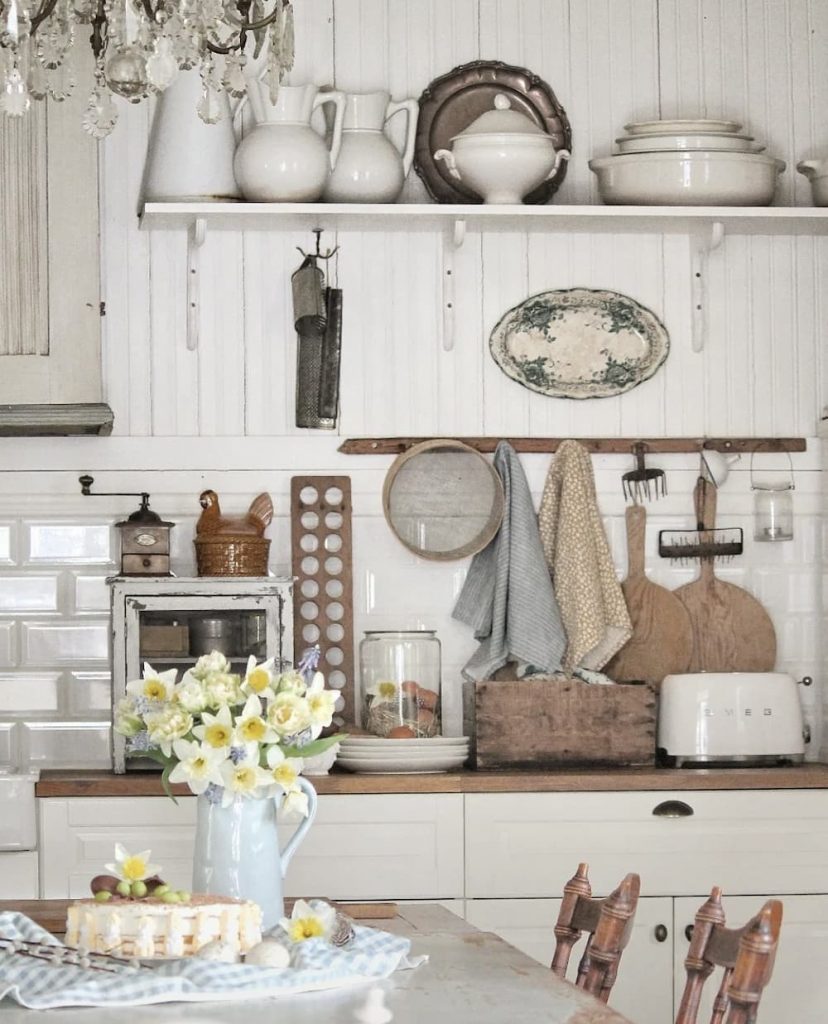
Vintage and Antique Home Decor Ideas with Pitchers
In vintage and antique-style homes, pitchers are more than functional, they’re storytelling pieces. From silver and McCoy to spongeware and Holland Mold, each type of vintage pitcher brings its own unique charm. Style them on antique buffets, within glass-front cabinets, or layered into vintage vignettes alongside mirrors, brass candlesticks, and classic books. Whether you’re going for a curated cottagecore look or a timeworn farmhouse feel, vintage pitchers help create that warm, collected-over-time ambiance.
Seasonal Decorating Ideas with Vintage Pitchers
One of the best parts of collecting vintage pitchers is how seamlessly they shift with the seasons. These timeless vessels are perfect for seasonal home decor, bringing fresh spring charm, patriotic summer style, cozy autumn warmth, and festive holiday sparkle. In spring, fill pitchers with daffodils or tulips on kitchen tables or windowsills. For summer, try a vintage lemonade set on the porch or hydrangeas in a Cornishware pitcher. In fall, think stoneware or copper pitchers brimming with branches or sunflowers. And come winter, add evergreen sprigs or berry stems to ironstone or silver pitchers for a nostalgic, vintage holiday touch. Indoors or out, vintage pitchers make every season more beautiful.
Spring Decorating with Vintage Pitchers
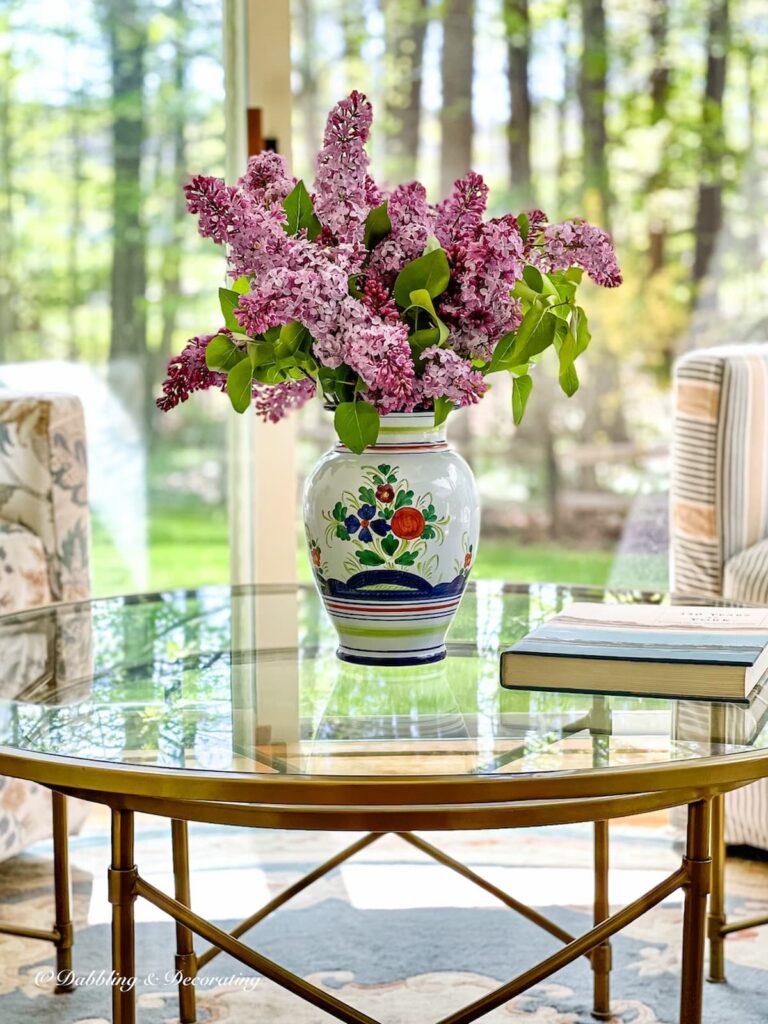
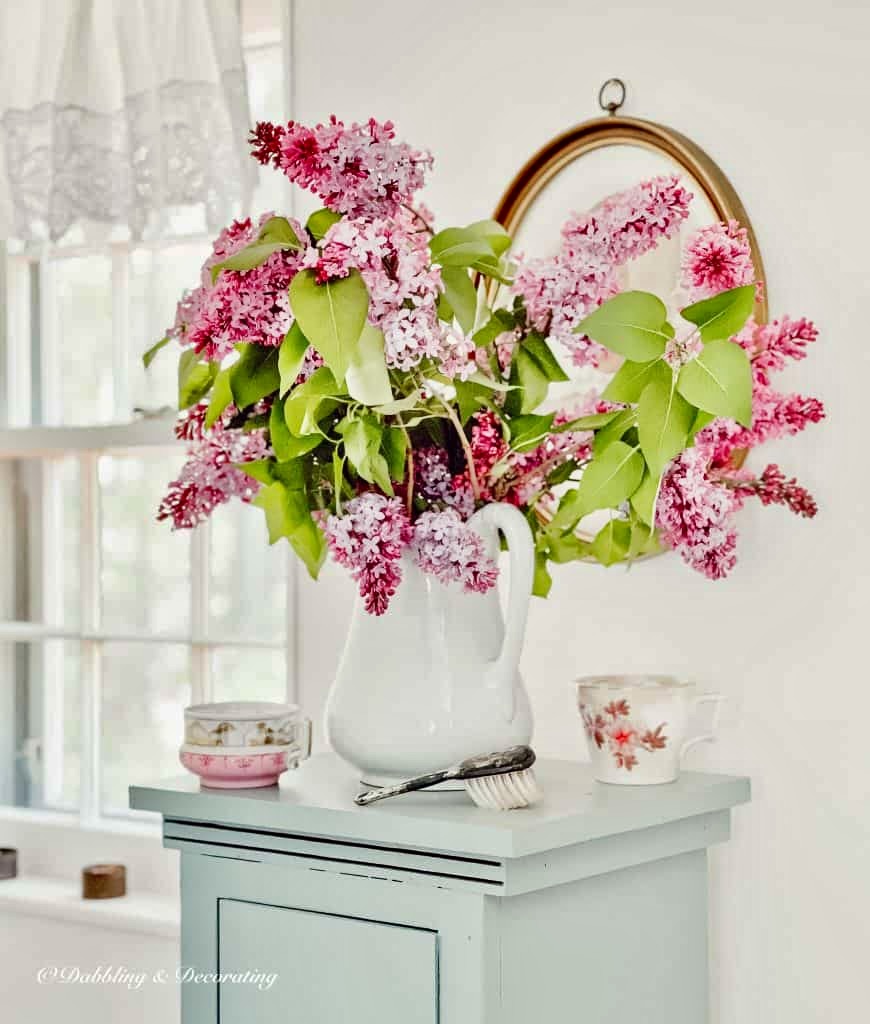
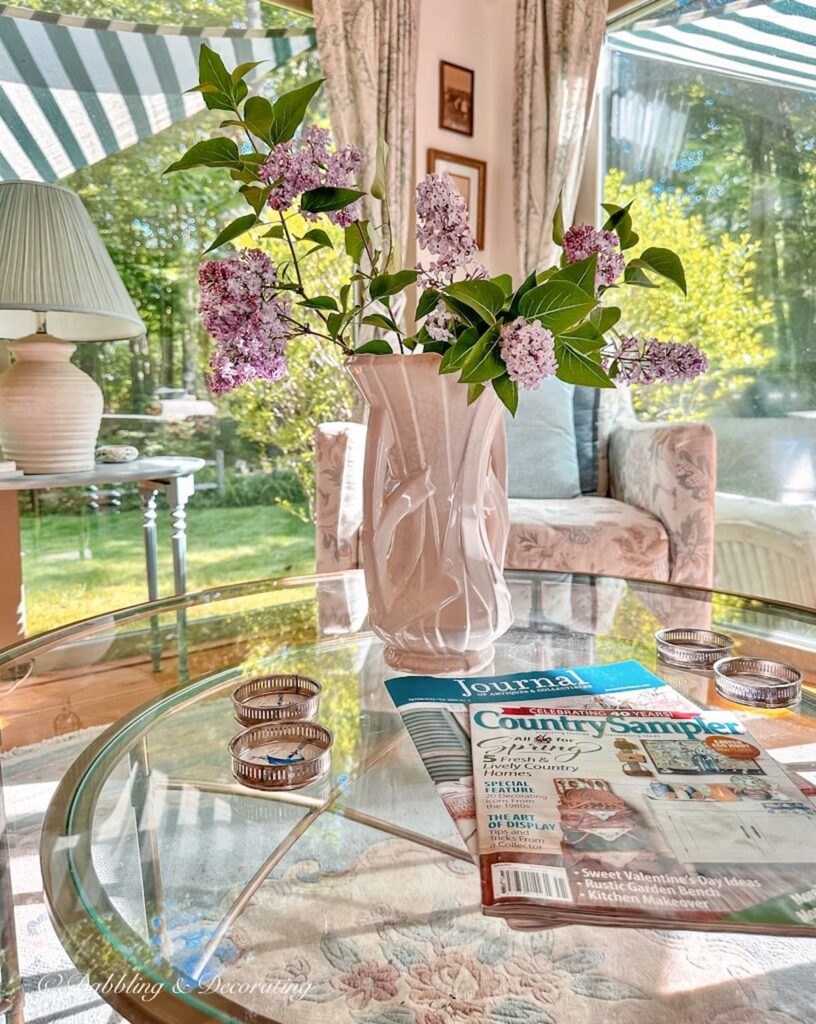
Spring is the perfect time to let your vintage pitchers bloom, literally. Fill white ironstone or pastel McCoy pitchers with fresh spring flowers like daffodils, tulips, or lilac branches. Display them on a sunny windowsill, vintage hutch, entry table, or spring porch vignette to welcome the season with cheerful charm. Yellowware and blue spongeware pitchers also shine in spring decor with their warm tones and country cottage feel. Whether used solo or styled in groups, vintage pitchers bring a soft and timeless freshness to your spring decorating style.
Summer Vintage Pitcher Ideas
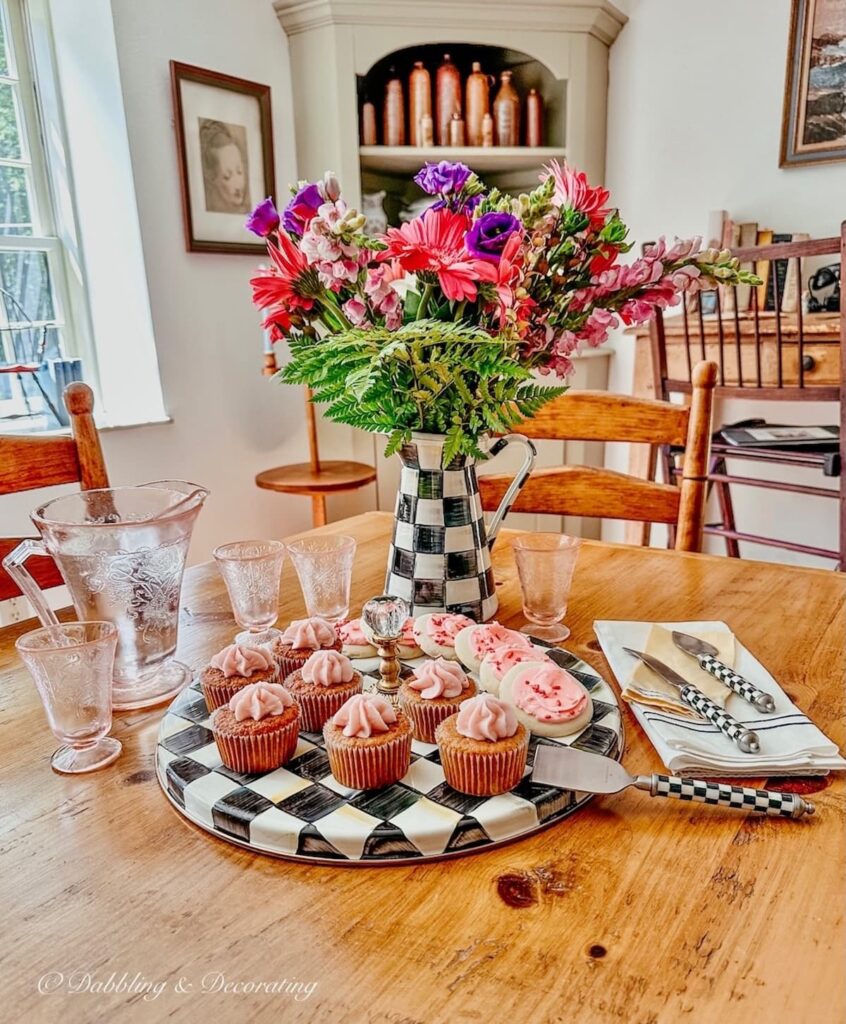
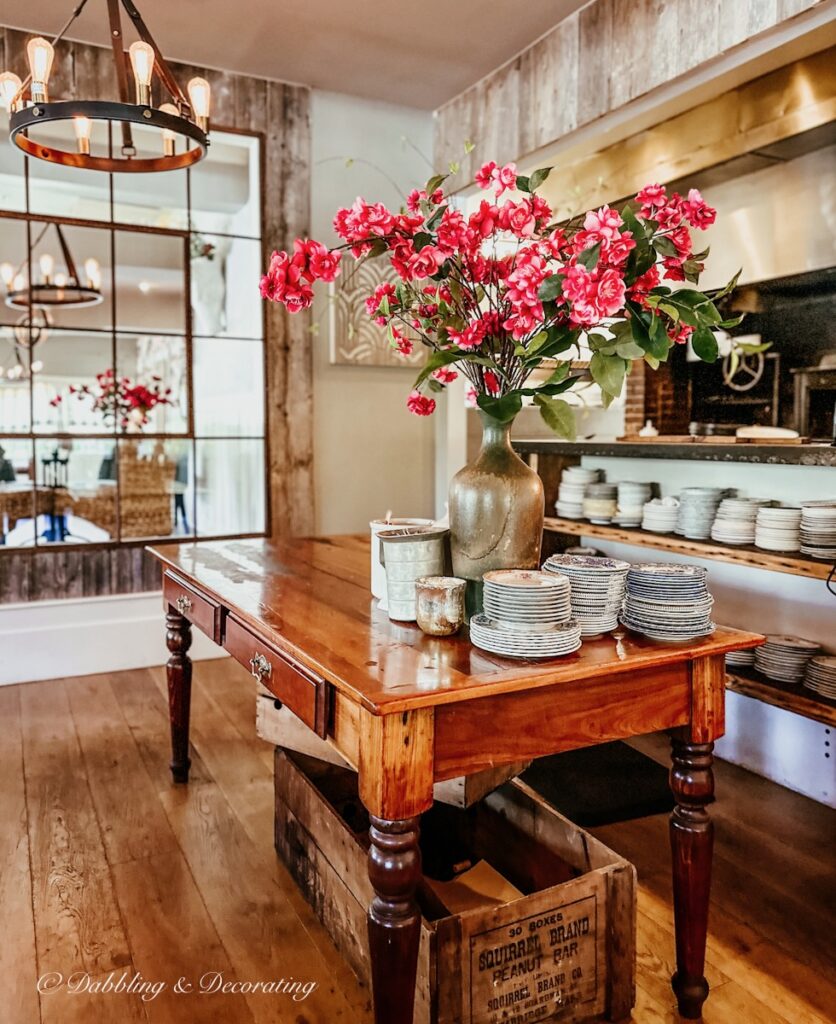
In the summertime, vintage pitchers shine as both beautiful decor and practical serveware. Use stoneware or tin pitchers to serve lemonade or iced tea at backyard barbecues or on your summer porch. Blue and white Cornishware, spongeware, or coastal transferware pitchers pair perfectly with nautical-inspired or cottage coastal summer décor. Style them on open kitchen shelves, dining tables, or picnic setups for a refreshing vintage look that captures the relaxed charm of summer living.
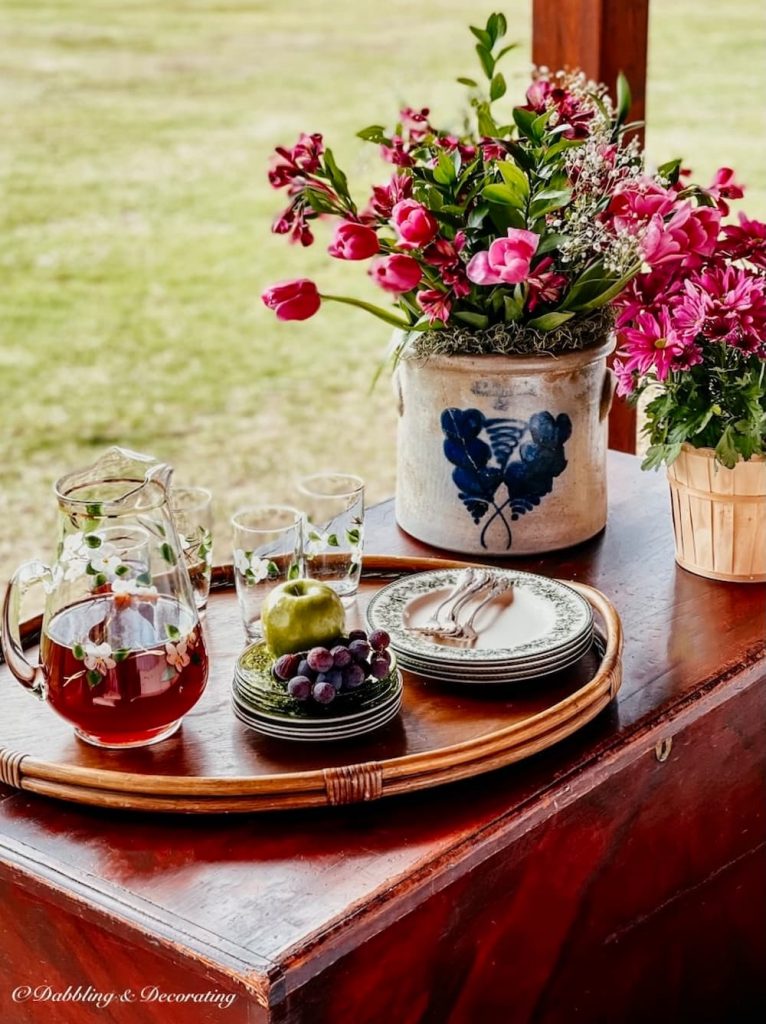
Fall Styling with Antique Pitchers
Fall is the perfect time to showcase antique pitchers in warm, seasonal tones. Style pewter, copper, or brown transferware pitchers with dried florals, eucalyptus, or wheat stalks on your mantel or sideboard for a cozy autumn look. Vintage McCoy and ceramic pitchers in rich harvest hues, like mustard yellow, burnt orange, or deep green, make stunning centerpieces when paired with pumpkins, gourds, and rustic elements like vintage cutting boards or antique trays. These timeless pieces add instant charm to any fall farmhouse or cottage-style decor.
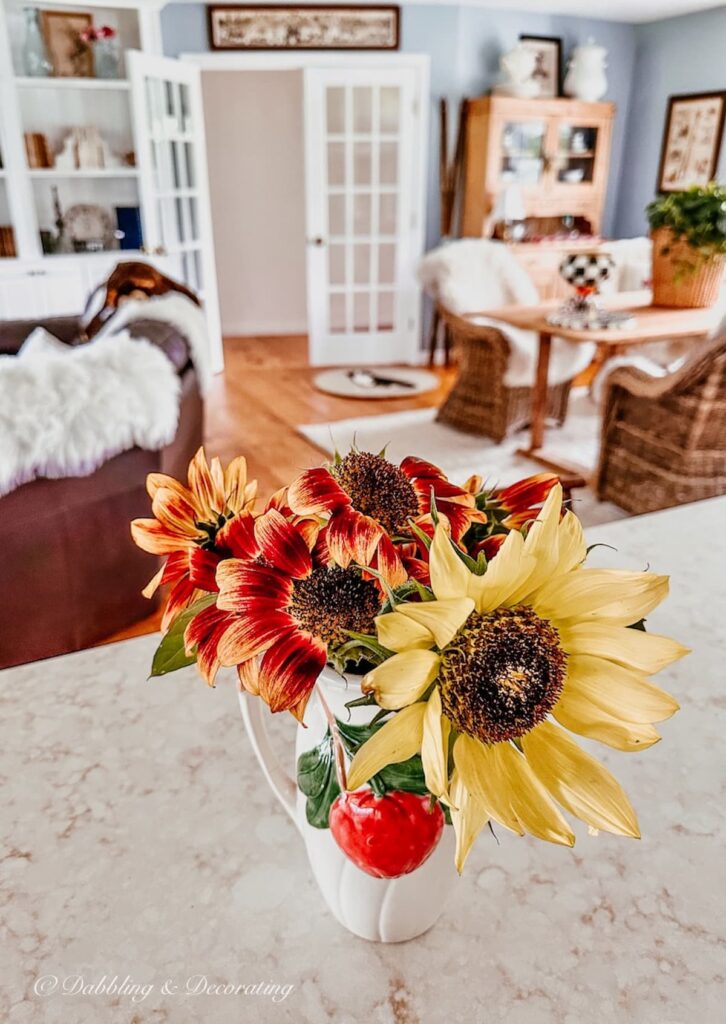
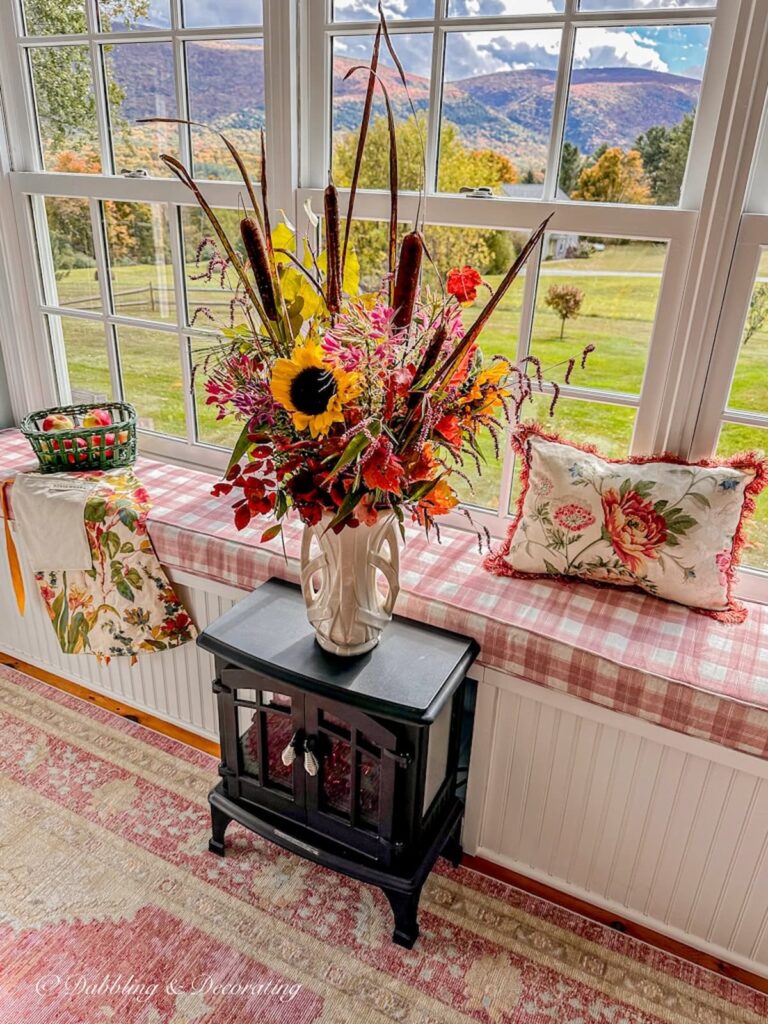
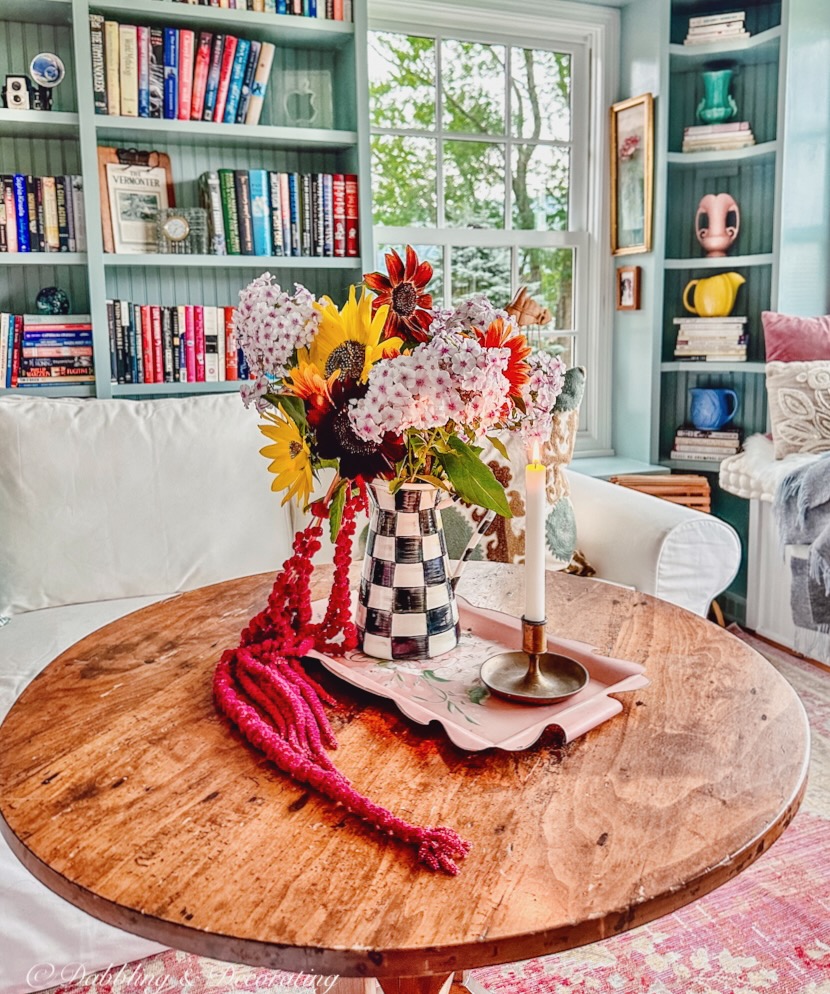
Winter and Christmas Decorating with Vintage Pitchers
In winter, vintage pitchers become the perfect canvas for cozy, festive styling. Fill silver or pewter pitchers with cedar clippings, pine branches, or sprigs of winterberry for a charming and natural Christmas centerpiece. Add seasonal touches like vintage ribbon, fairy lights, or candy canes to bring extra holiday cheer. Classic white ironstone and blue-and-white transferware pitchers also look stunning against greenery, making them ideal for mantel displays, kitchen shelves, or winter porch styling. Whether your look is rustic farmhouse or vintage cottage, antique pitchers add timeless magic to your holiday decor.
Holiday Decorating with Vintage Pitchers
Vintage pitchers aren’t just for Christmas, they shine in every holiday season. For Valentine’s Day, try red tulips or white ranunculus arranged in a romantic ceramic or ironstone pitcher. During Easter, display cheerful yellow daffodils in a classic spongeware or yellow ware piece. Add vintage flair to your Fourth of July decor by tucking small flags into red, white, or blue pitchers. You can even incorporate vintage holiday postcards, miniature ornaments, or themed linens to personalize your pitcher displays all year long. These charming vessels make every holiday feel nostalgic and beautifully styled.
Outdoor Decorating with Vintage Pitchers
Take your vintage pitcher collection outside and let it shine in your outdoor living spaces. Whether on a front porch, patio table, or garden bench, vintage pitchers bring instant charm to alfresco decor. Fill stoneware, tin, or ceramic pitchers with seasonal flowers, fresh herbs, or wispy grasses for a relaxed, cottage-garden vibe. These durable pieces hold up well outdoors and add personality to picnic tables, potting benches, and porch railings. Even a single vintage pitcher brimming with wildflowers can transform an outdoor nook into a welcoming summer retreat.
Shop MacKenzie-Childs Pitchers
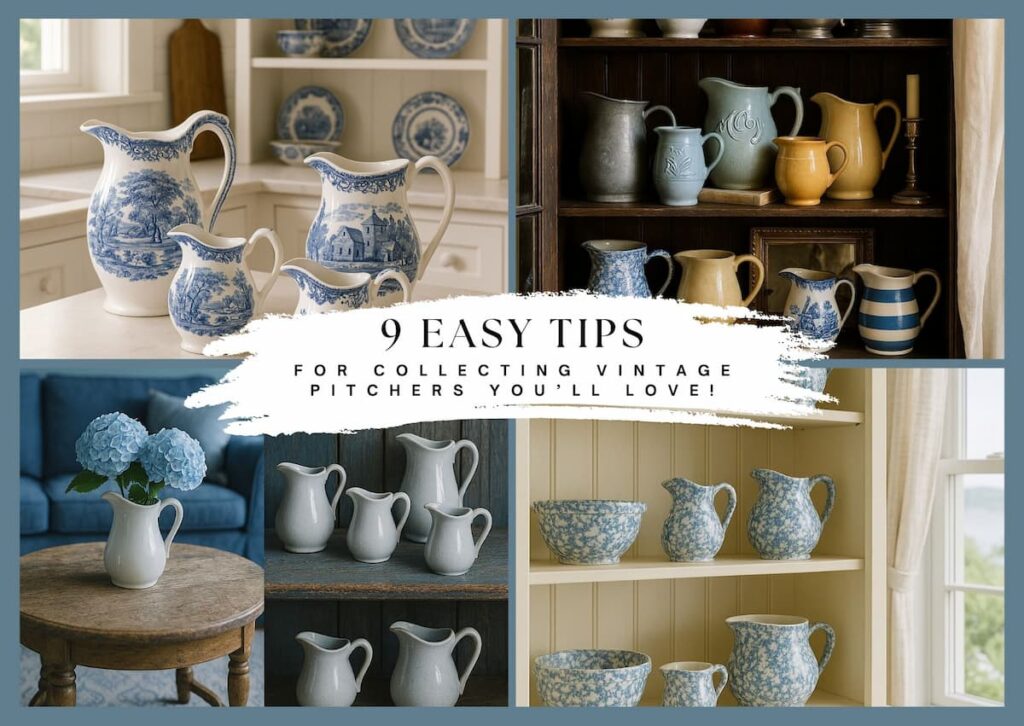
9 Vintage Pitcher Collecting Tips for Beginners
Starting a vintage pitcher collection is a rewarding way to blend beauty, history, and personal style into your home decor. Whether you’re captivated by the romantic florals of transferware, the sturdy simplicity of stoneware, or the crisp elegance of white ironstone, collecting vintage pitchers invites you into a world of timeless charm. And the best part? The thrill of the treasure hunt! From flea markets to thrift stores, each piece tells a story and becomes part of your own.
If you’re just getting started, here are 9 beginner-friendly tips to help you start your vintage pitcher collection with confidence:
Pin forLater!
Who knew a humble pitcher could pour out so much charm?
Whether you’re just starting your vintage collection or styling your hundredth hutch, there’s always room for one more pitcher, and a whole lot of inspiration.
Frequently Asked Questions About Vintage Pitcher Decor
What are the most collectible types of vintage pitchers?
Some of the most popular collectible pitchers include transferware, ironstone, McCoy pottery, Cornishware, and silver pitchers. Each one offers a unique charm, whether you’re decorating in farmhouse, cottage, or eclectic vintage style.
How do I decorate with vintage pitchers?
Vintage pitchers are perfect as flower vases, centerpiece vessels, or styled in a hutch or on open shelves. Their nostalgic charm adds character to seasonal vignettes and works beautifully in any room of the house.
Where can I find vintage pitchers for my home decor?
You’ll find vintage pitchers at thrift shops, flea markets, estate sales, and antique stores. Online marketplaces like eBay, Etsy, and Ruby Lane are also full of unique finds in a variety of styles and materials.
Can I use vintage pitchers for drinks or food?
While some pitchers are still safe for serving, many vintage and antique pieces, especially older ceramics, may contain lead or hairline cracks. For safety, use them for decor or display purposes unless labeled food-safe.
How do I start a vintage pitcher collection?
Start by choosing one or two styles you love—like ironstone or McCoy—and build from there. Look for pieces in good condition and mix sizes, shapes, and colors to create a charming, collected-over-time display.
Pin forLater!
More Beautiful Ways to Style Vintage Pitchers at Home
[ad_2]
17+ Creative Ways to Style Antique and Vintage Pitchers
